

Blue Mosque
Blue Mosque in Sultanahmet, Istanbul, Turkey
The Blue Mosque is located in the Sultanahmet district, in the historic center of Istanbul, next to Hippodrome Square and opposite Hagia Sophia. It is one of the most famous imperial mosques of the Ottoman period, built between 1609 and 1617 by order of Sultan Ahmed I. The complex is easily recognized by its six minarets, central dome, and stepped composition of semi-domes, which forms the characteristic silhouette of the old city.
The name "Blue Mosque" is associated with the interior decoration: inside, thousands of Iznik tiles with floral ornaments in blue, light blue, and white tones are used. The interior space features a large prayer hall, mihrab, minbar, calligraphic panels, and an abundance of daylight that enters through numerous windows. This makes it possible to appreciate not only the scale of the structure, but also the features of Ottoman decorative art from the early 17th century.
The mosque was part of a large religious and public complex, which included a madrasa, charitable buildings, a courtyard, and the mausoleum of Sultan Ahmed I. For its time, six minarets were a rare and striking architectural solution. Today, the Blue Mosque remains an active place of worship, so tourists can combine sightseeing with a visit to an important religious site where daily prayers are still held.
Visitors should keep in mind that access inside is restricted during prayer times, and on Fridays the break is usually longer because of the midday prayer. Admission is generally free, but donations are accepted. Modest clothing is required for the visit, women must cover their heads, and shoes must be removed before entering. For those interested in the history of Istanbul, Ottoman architecture, and the layout of the old city, the mosque is especially convenient to visit during a walk around Sultanahmet.
Blue Mosque on the map
Istanbul: Mosques
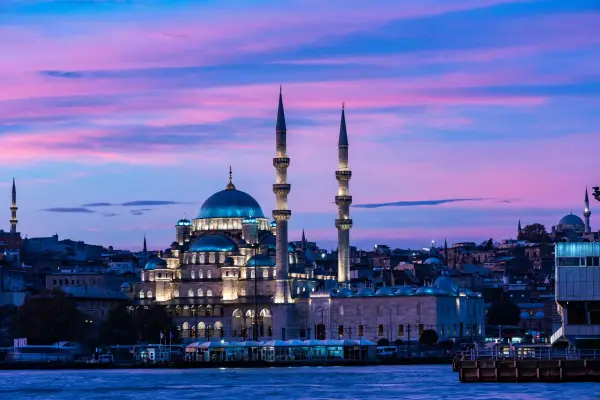
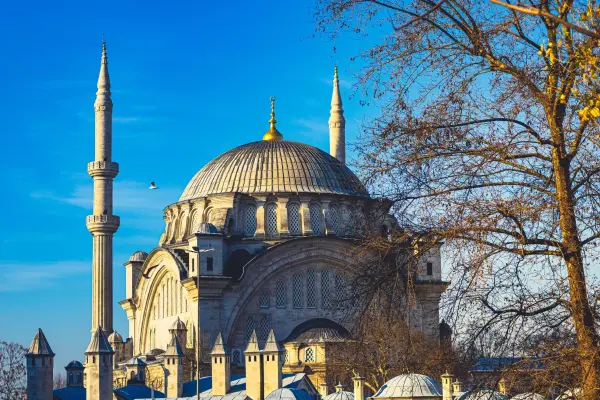
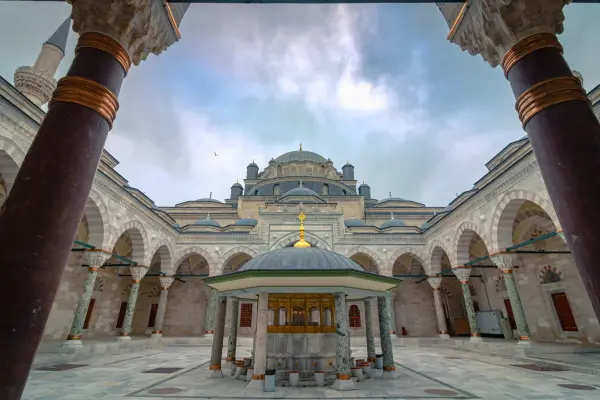
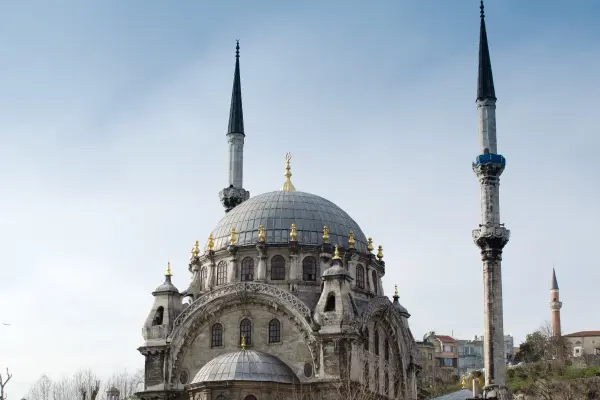
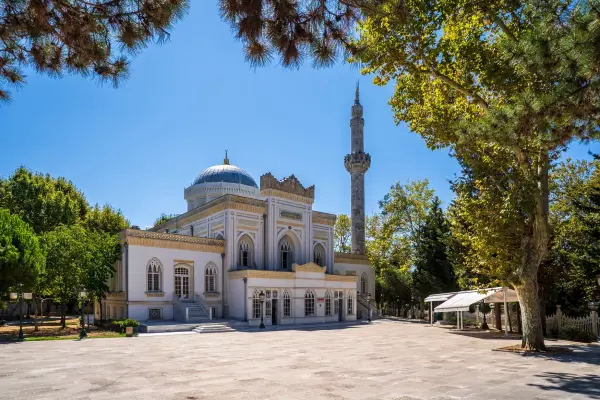
New Mosque, Sancaklar Mosque, Nuruosmaniye Mosque, Beyazit Mosque
Blue Mosque - interior, visiting rules, and how to get there
Architectural details and elements of Ottoman art are concentrated inside.
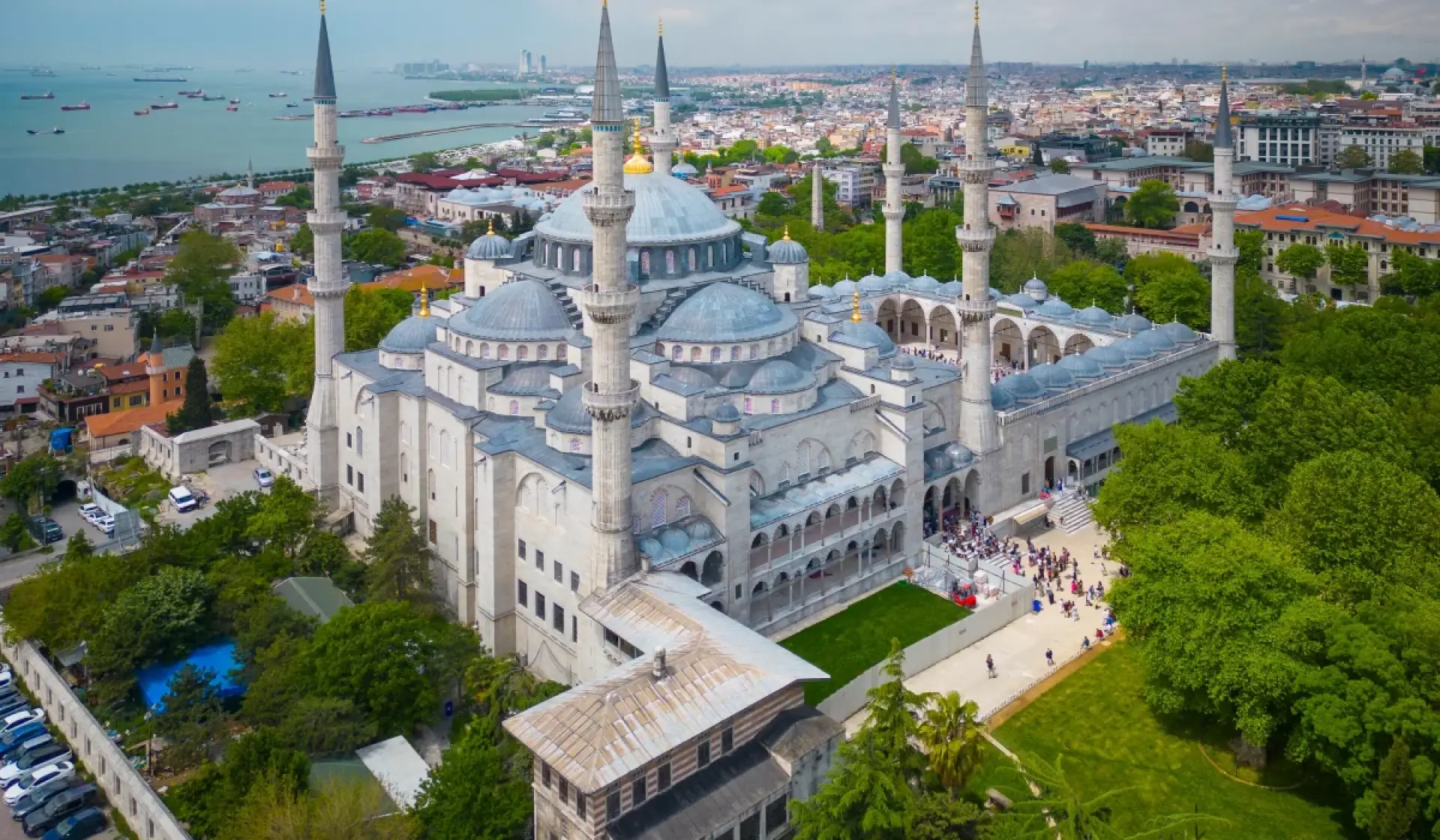
Six minarets and Iznik tiles in the center of Sultanahmet
During the visit, you can explore the inner courtyard with arcades, proceed to the tourist entrance, and see the main prayer hall, where the proportions of the central dome and the system of semi-domes are especially noticeable. Inside, the Iznik tiles, carved marble mihrab, minbar pulpit, and hanging lamps attract attention. Part of the space is reserved for worshippers during prayers, so the route for visitors inside may change.
It is better to come outside prayer hours, when there are fewer restrictions inside and it is easier to calmly examine the decorative details. Bags for shoes are usually provided at the entrance, and scarves or coverings are available if needed. Photography is usually allowed, provided it does not disturb worshippers or violate current rules. Inside, visitors are asked to speak quietly and not enter areas closed to tourists.
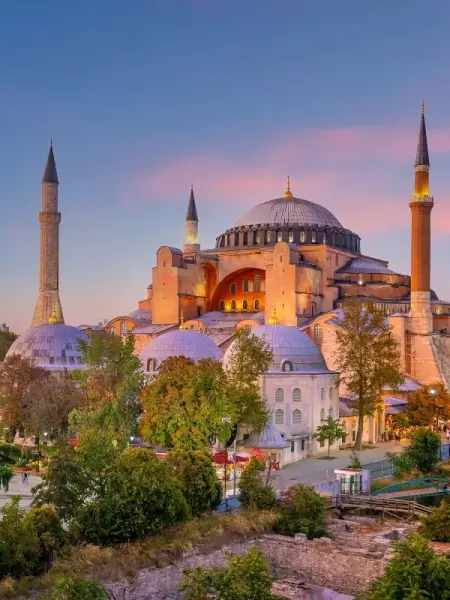
Nearby are Hagia Sophia, the Basilica Cistern, Sultanahmet Square, and Topkapi Palace, so a visit to the mosque can easily be included in an itinerary through the historic center of Istanbul. Special attention should be paid to the exterior of the building from the square and from the park between the Blue Mosque and Hagia Sophia, where the overall silhouette of the complex is clearly visible.
The easiest way to get here is by taking tram T1 to the "Sultanahmet" stop, from where it is a few minutes on foot to the mosque. The area is popular with tourists, so during high season there may be queues at the entrance, especially in the middle of the day.
Best tours and travel experiences across the continent
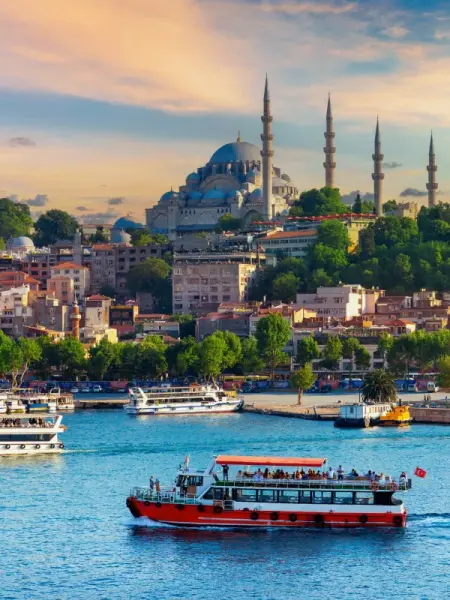
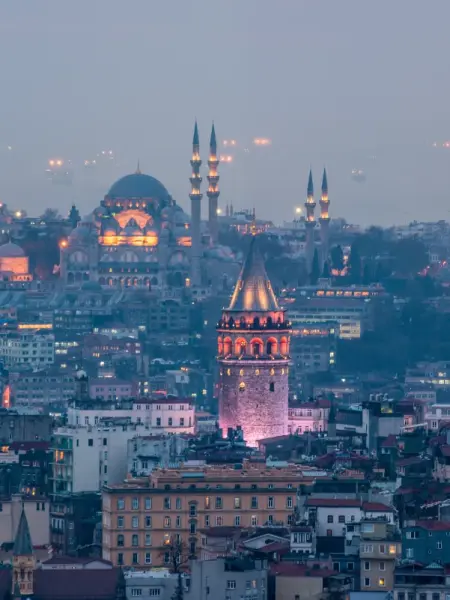

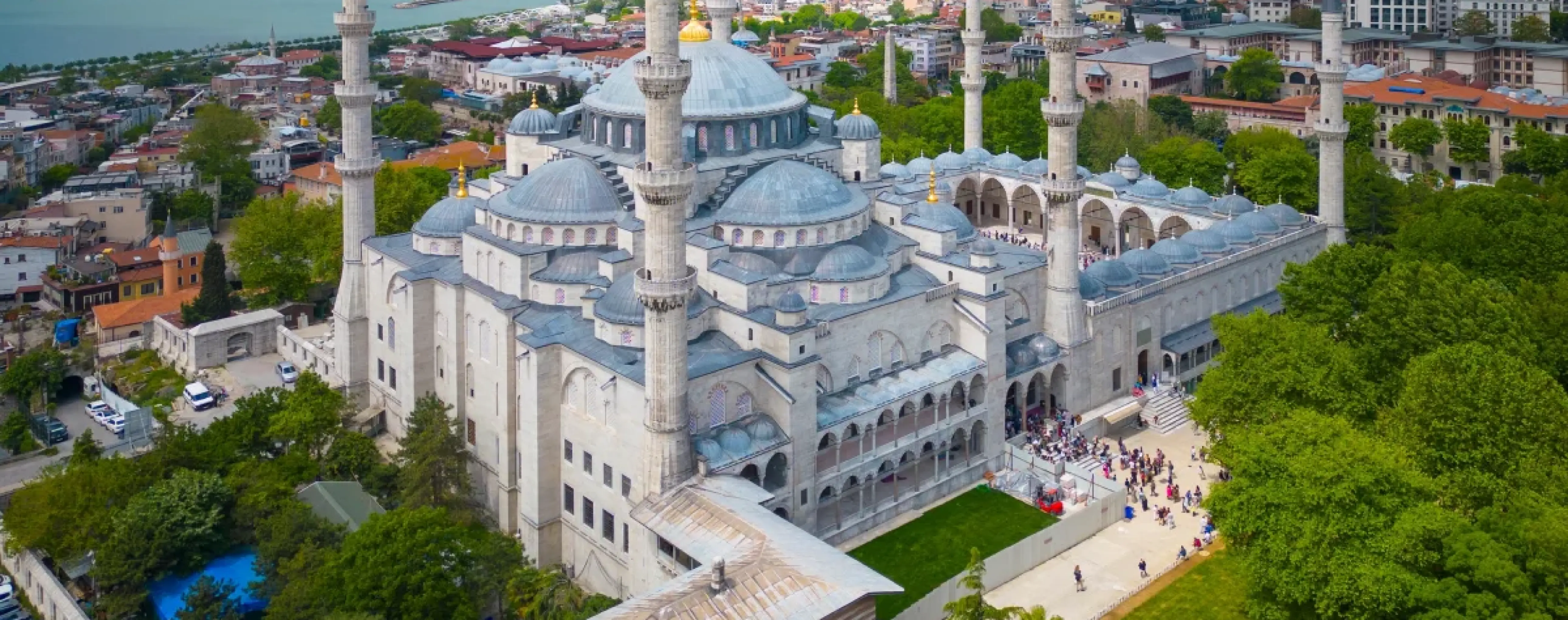
Photos of the Blue Mosque
Guided tours, popular attractions, and top-rated hotels across the continent


