

Egyptian Obelisk
Egyptian Obelisk in Sultanahmet Square, Istanbul, Turkey
The Egyptian Obelisk is located in Sultanahmet Square in the historic center of Istanbul, on the site of the former Hippodrome of Constantinople. Today, it stands among the most prominent monuments in this part of the city and fits well into a walking route between Hagia Sophia, the Blue Mosque, and other well-known places in the area.
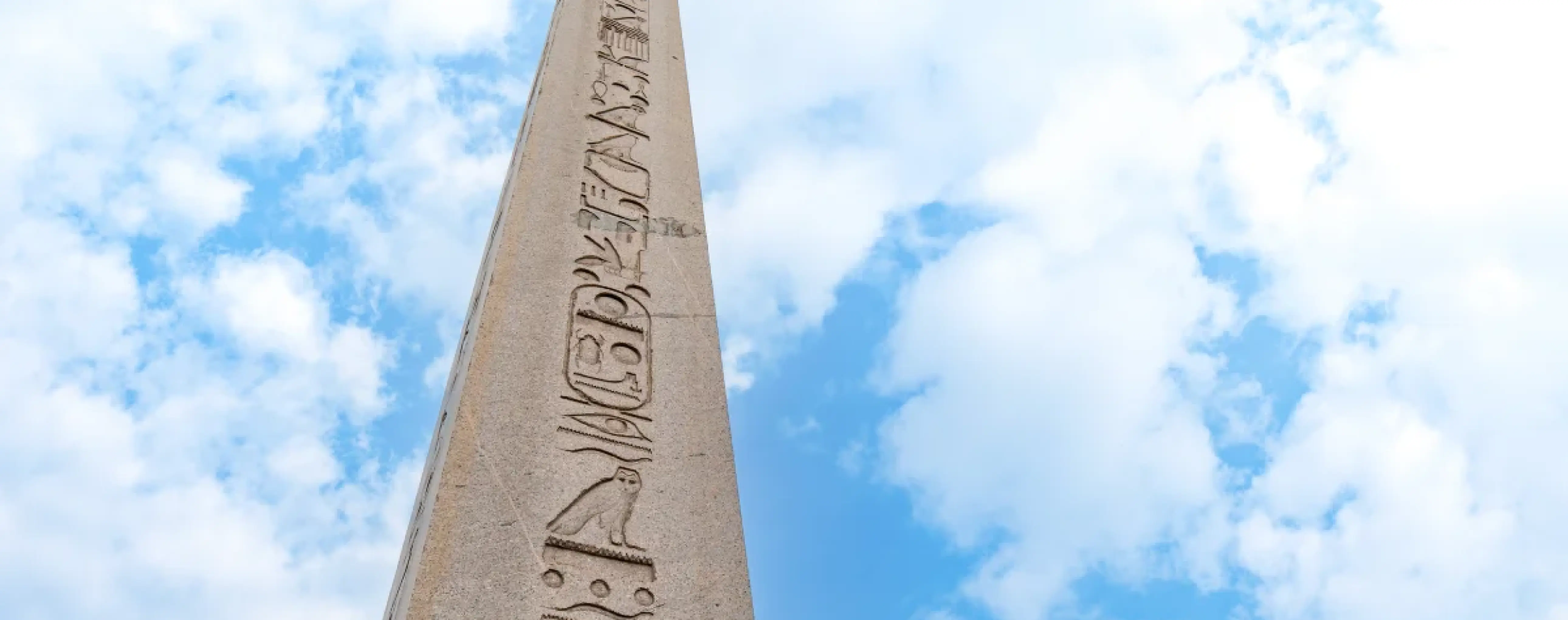
The obelisk was created in Ancient Egypt during the reign of Pharaoh Thutmose III and was originally erected in Karnak, in Thebes. It is carved from pink Aswan granite, and hieroglyphic inscriptions dedicated to royal power and the ruler's military victories have been preserved on its sides. It is one of the few ancient monoliths in Istanbul that can be seen in an open urban space.
At the end of the 4th century, the obelisk was transported to Constantinople and installed on the Hippodrome by order of Emperor Theodosius I. Only the upper part of the ancient monolith has survived to the present day, mounted on a late Roman marble pedestal. The reliefs on the base depict the imperial court, spectators in the stands, and the very process of erecting the monument.
Today, the height of the obelisk with its base is about 25 meters. It is easy to view during a walk around Sultanahmet: the monument stands in the open air, access to it is free, and its proximity to other structures of the Hippodrome helps to better imagine the layout and scale of the former ceremonial center of Constantinople.
Egyptian Obelisk on the map
Istanbul, Sultanahmet: Monuments and memorials
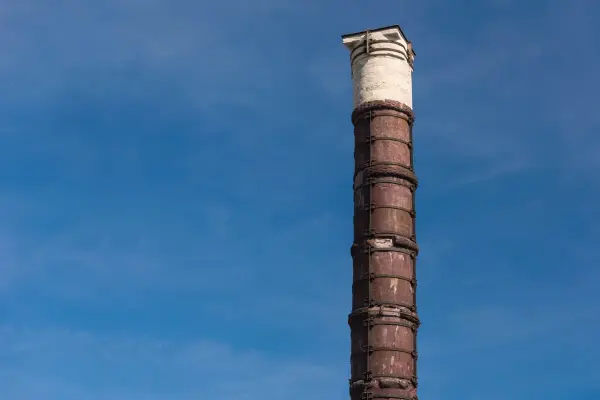
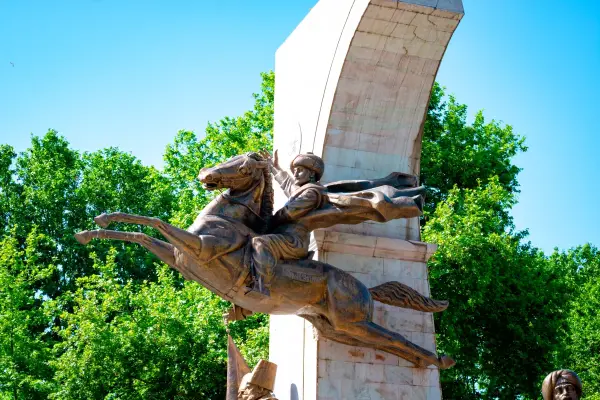
Orient Express Steam Locomotive, German Fountain, The Burnt Column of Emperor Constantine, Serpent Column


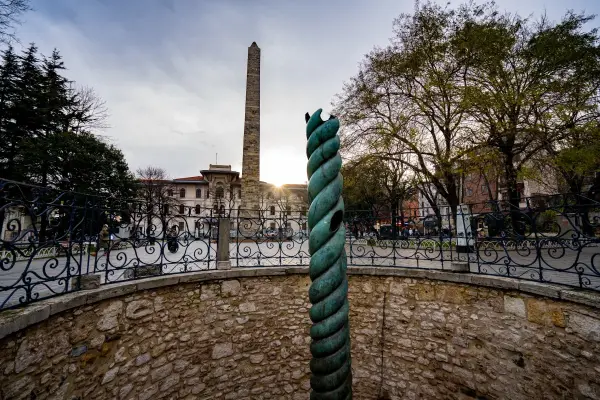

The Egyptian Obelisk and Marble Pedestal at the Hippodrome
The monument shows the intersection of Egyptian and Roman-Byzantine history.
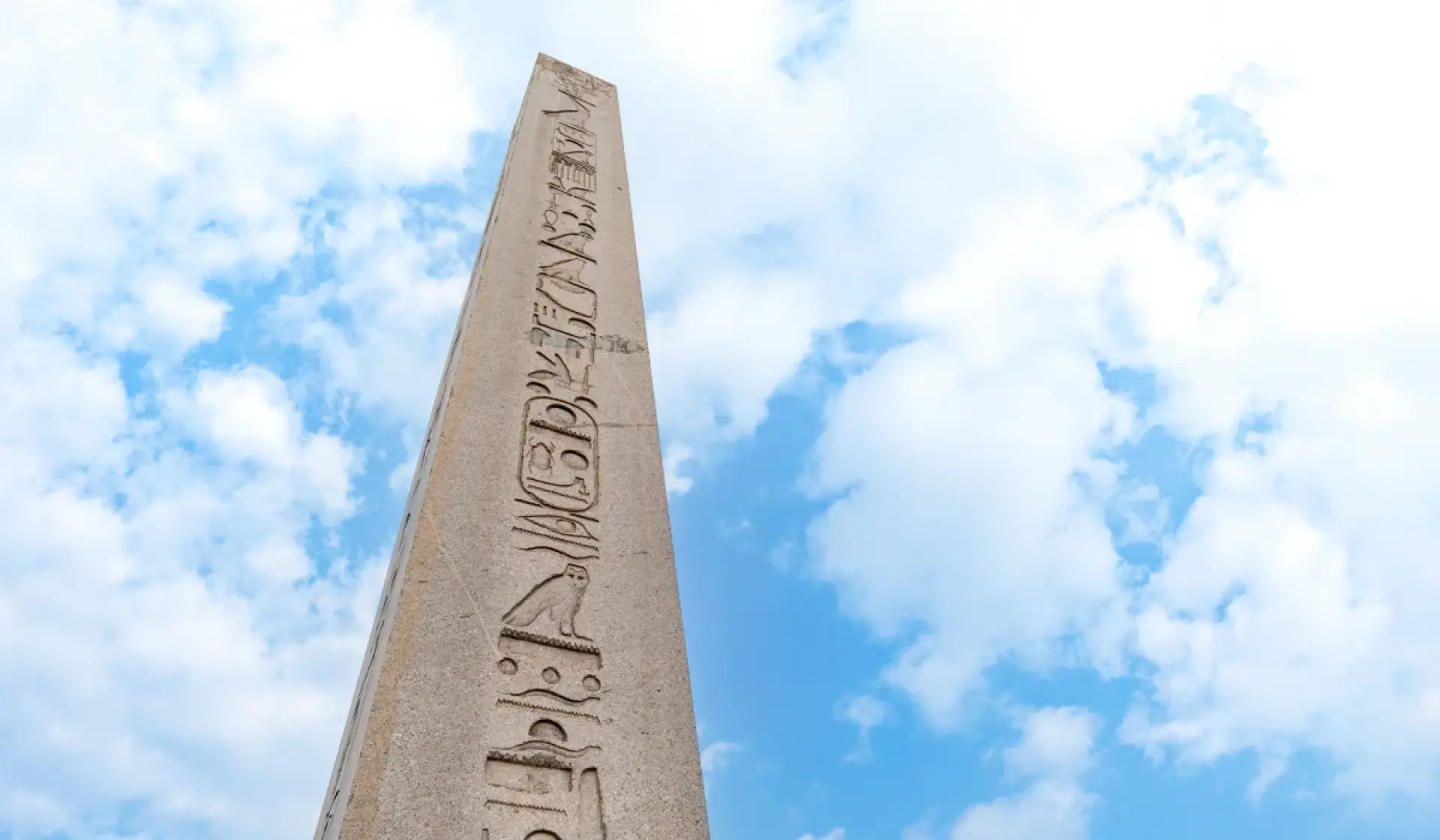
An Ancient Egyptian Monolith in the Arena of the Byzantine Hippodrome
When viewing it, it is worth approaching the marble pedestal more closely: it is this element that provides important context for understanding the monument. On the reliefs, you can see scenes with Emperor Theodosius I, courtiers, musicians, and episodes of the obelisk's installation. The base also bears inscriptions in Greek and Latin related to the transfer and erection of the monument in Constantinople.
The granite shaft itself is interesting not only for its age, but also for the quality of the stonework. Vertical rows of hieroglyphs are clearly visible on its surface. The details are best seen in daylight, when you can calmly walk around the monument on all sides and compare the Egyptian part of the monument with the later Roman-Byzantine base.
The Egyptian Obelisk is usually viewed together with other monuments of the former Hippodrome - the Serpent Column and the Obelisk of Constantine - and the Blue Mosque, Hagia Sophia, and the Basilica Cistern are just a few minutes' walk away. It is a convenient point from which to see how monuments from different eras stand side by side in one urban space.
The easiest way to get here is by taking the T1 tram to the "Sultanahmet" stop, from where the square is just a few minutes away on foot. Since the monument is located in an open square, no ticket is needed to see it, but there are usually more visitors here in the middle of the day than in the morning.
Best tours and travel experiences across the continent




Photos of the obelisk
Guided tours, popular attractions, and top-rated hotels across the continent


