

Column of Constantine
Column of Constantine in Sultanahmet Square, Istanbul
The Column of Constantine is located in Sultanahmet Square in the center of Istanbul, on the site of the ancient Hippodrome of Constantinople. It is also called the Walled Obelisk, since it is not a monolithic column but a tall stone structure built from blocks. Together with the Serpent Column and the Obelisk of Theodosius, it marks the central line of the former arena, where chariot races, official ceremonies, and gatherings took place in Byzantine times.
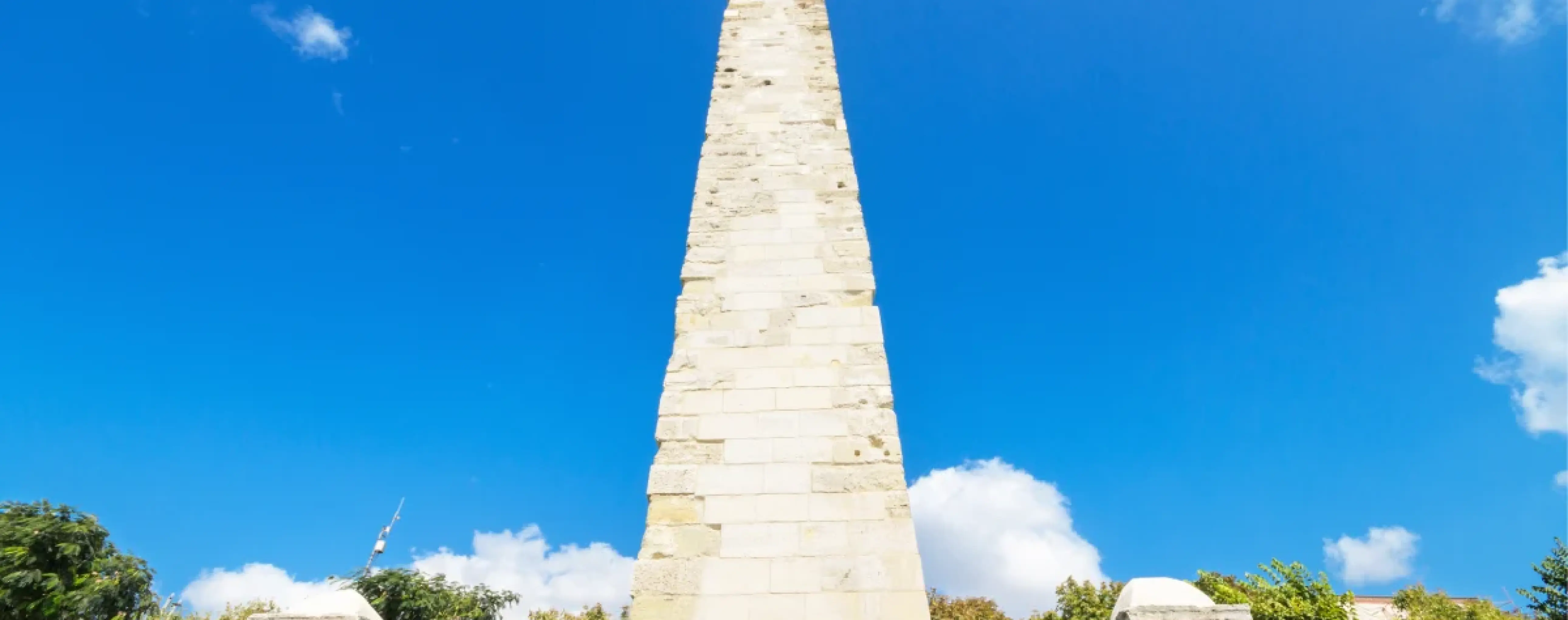
The monument’s modern appearance is quite austere: it is a tall stone obelisk without its original cladding. It stands about 32 meters high, and in the open space of the square it is clearly visible from different points. For this reason, it is easy to include in a walk around Sultanahmet, especially if you are exploring the main monuments of the former hippodrome on foot.
The obelisk is associated with a restoration in the 10th century under Emperor Constantine VII. Byzantine sources report that the structure was then decorated with bronze plates, which later disappeared, probably after the events of the Fourth Crusade. What survives today is the stone core, which makes it possible to imagine the scale and layout of this historic space.
For tourists, the Column of Constantine is of interest above all as part of the authentic Byzantine landscape in the most visited area of the city. It can be viewed conveniently without a separate entrance, combined with a visit to Sultanahmet Square, the Blue Mosque, Hagia Sophia, and other monuments of Istanbul’s historic center.
Column of Constantine on the map
Istanbul: Monuments and memorials
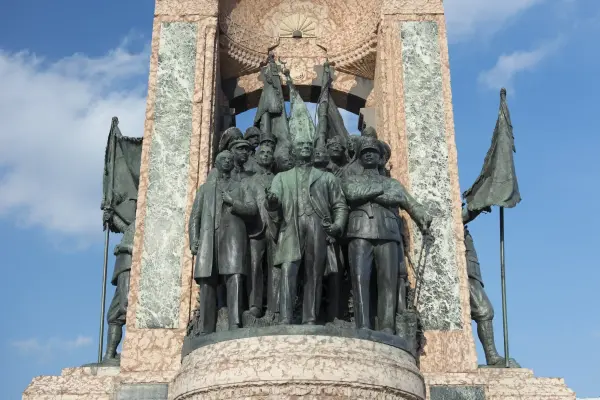
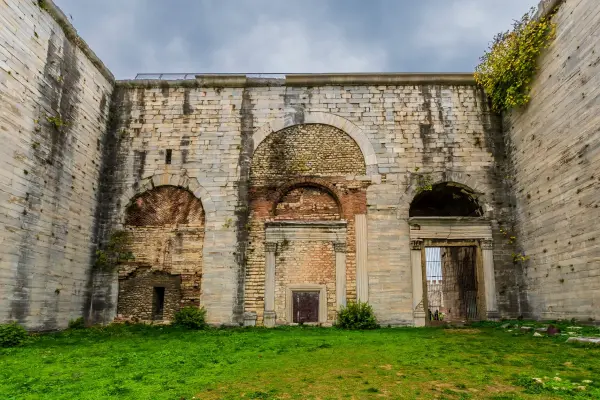
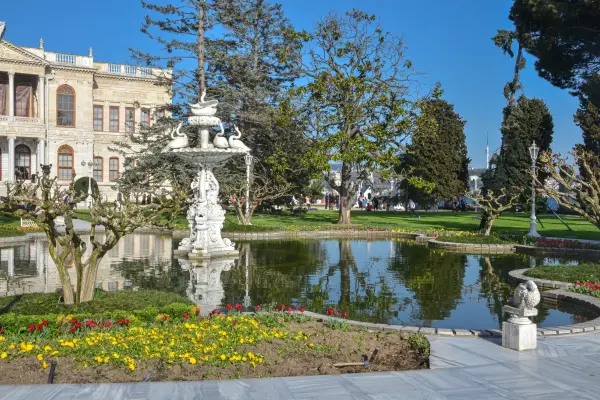
The Burnt Column of Emperor Constantine, Republic Monument, The Golden Gate of Constantinople, Swan Fountain of Dolmabahce Palace
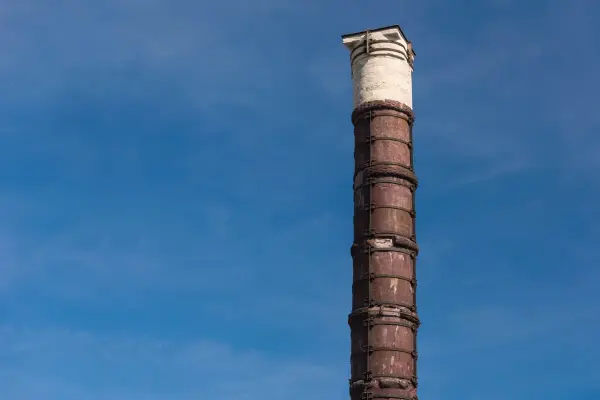
The Column of Constantine on the axis of the former hippodrome
The monument shows the layout of the hippodrome and stands in an open square.
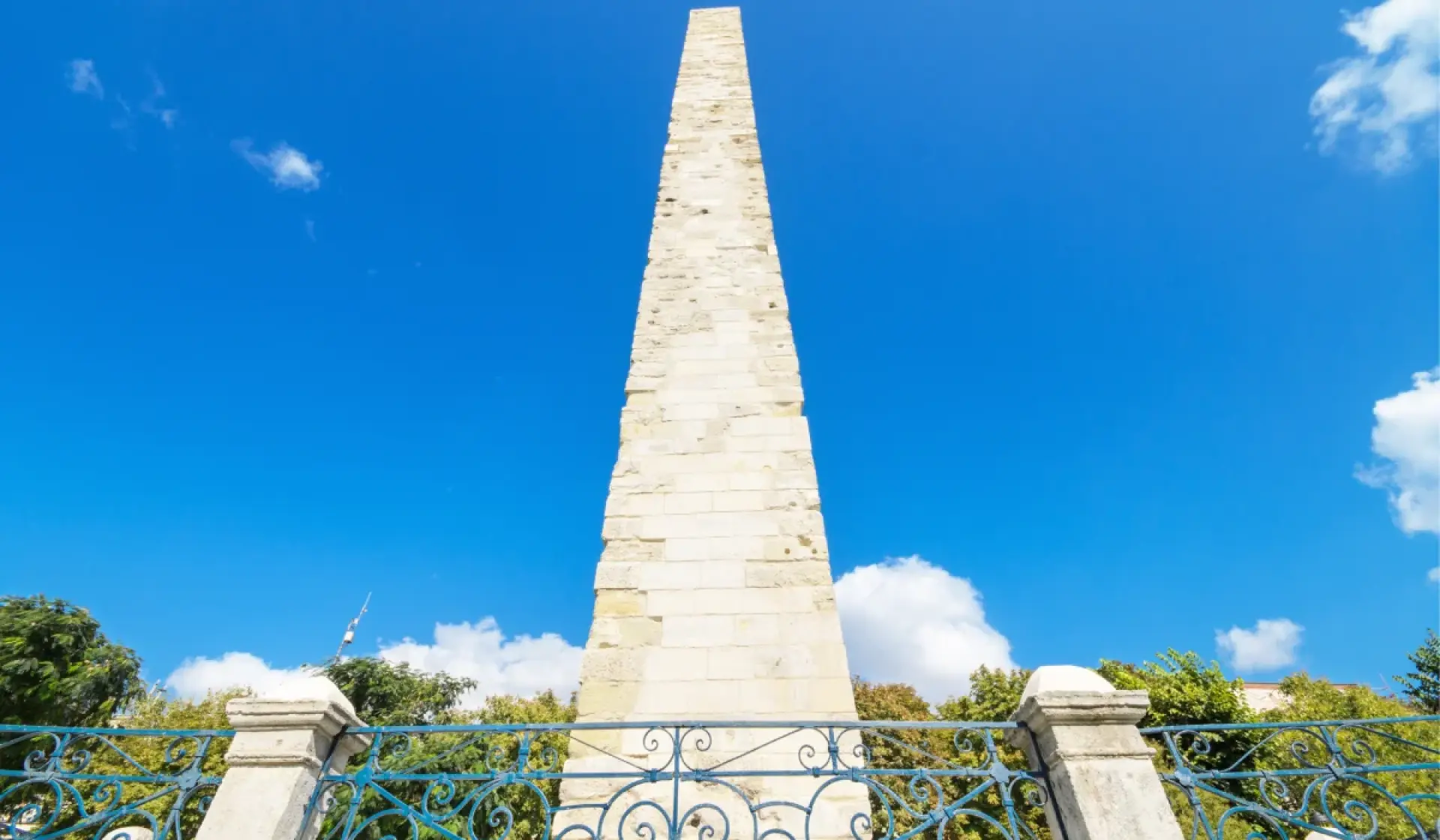
A stone landmark on the axis of the ancient hippodrome
Today, at the obelisk, you can examine its cut-stone masonry and better understand how the central part of the hippodrome was organized. The monument stands in the open air, so it is convenient to view at any point during a walk around the square, and also to compare with the two other monuments preserved on the same line.
It is best to see this place not as a separate attraction, but as part of a large historical complex. In the square, it is easy to imagine the dimensions of the former arena and to see how the Byzantine space later became part of the Ottoman and modern city. The obelisk is especially interesting for those who want to see not a museum reconstruction, but an authentic fragment of urban history in its original location.
Nearby are the Serpent Column, the Obelisk of Theodosius, the Blue Mosque, Hagia Sophia, and the Basilica Cistern, so a visit usually takes just one walk around the Sultanahmet district. The easiest way to get here is by taking tram T1 to the Sultanahmet stop, from which the monument is a few minutes away on foot.
There is no separate ticket or fenced area here, but for a calmer visit it is better to come outside the busiest hours. Since the monument is located in an open square, it is worth taking the weather and bright sun into account, especially in summer, when the space offers almost no shade.
Best tours and travel experiences across the continent

Photos of the obelisk
Guided tours, popular attractions, and top-rated hotels across the continent


