
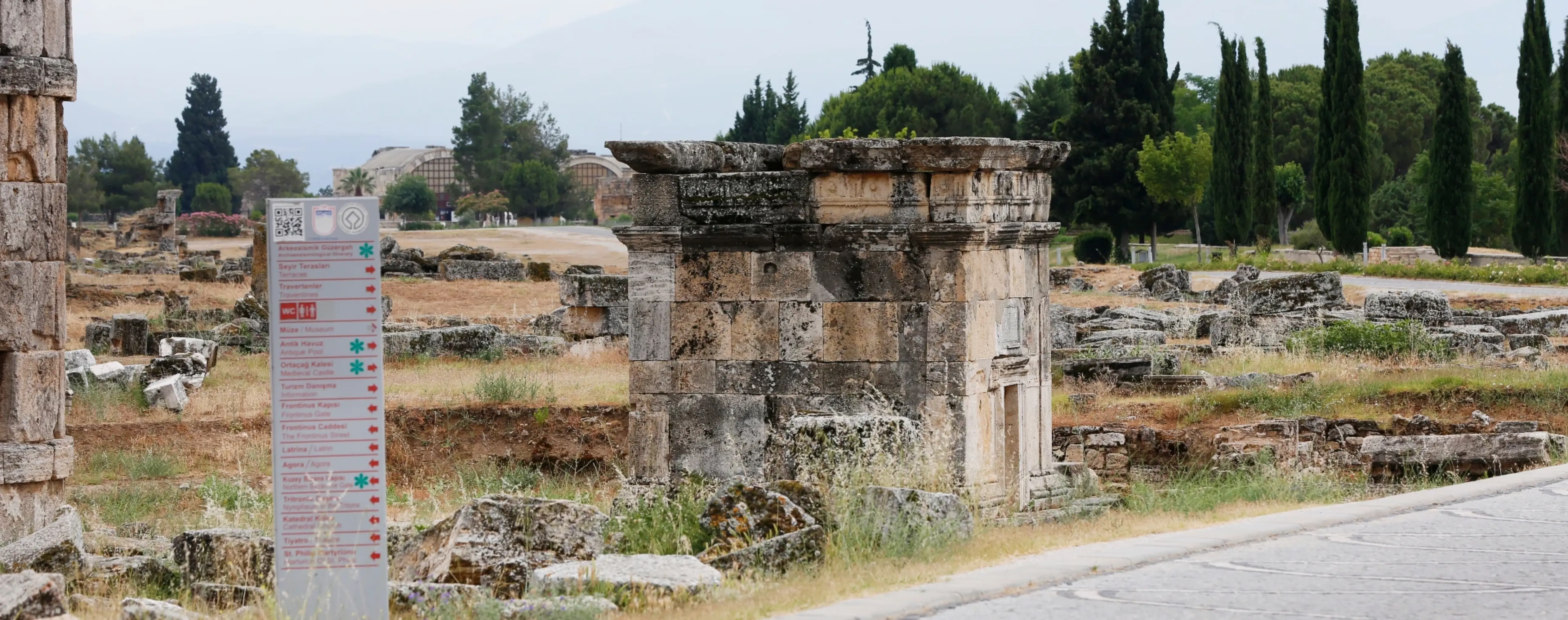
Hierapolis History Museum
Hierapolis History Museum, Hierapolis, Turkey - exhibition in the Roman baths
The Hierapolis History Museum is located within the Hierapolis archaeological complex in Pamukkale, next to the white travertine terraces. It is housed in the building of the former Roman baths, which is itself of interest as part of the ancient city. This combination of museum exhibition and authentic historic architecture helps visitors perceive the finds in their natural context.
The core of the collection consists of items discovered during the excavations of Hierapolis and its extensive necropolis. In the halls, visitors can see stone sarcophagi, funerary stelae, reliefs, statues, and architectural fragments associated with the city's temples, streets, and public structures. A separate section is devoted to smaller finds - ceramics, glass vessels, jewelry, coins, and objects of everyday life.
The museum is especially useful for those who want not only to walk through the ruins, but also to better understand how the ancient city was organized, how its artistic traditions changed, and what funerary monuments were created in different periods. The exhibition makes a walk through Hierapolis easier to understand: after the visit, it becomes easier to relate the columns, facades, and tombs seen on site to their historical function.
The museum is usually visited together with the ancient theater, the streets of Hierapolis, and the natural area of Pamukkale. It is a convenient stop in the middle of the route through the complex, where visitors can move from a general impression to specific archaeological finds and better imagine the everyday and ritual life of the ancient city.
Hierapolis History Museum on the map
Hierapolis History Museum - collection of sarcophagi and archaeological finds
The exhibition connects the finds with their historic architecture.
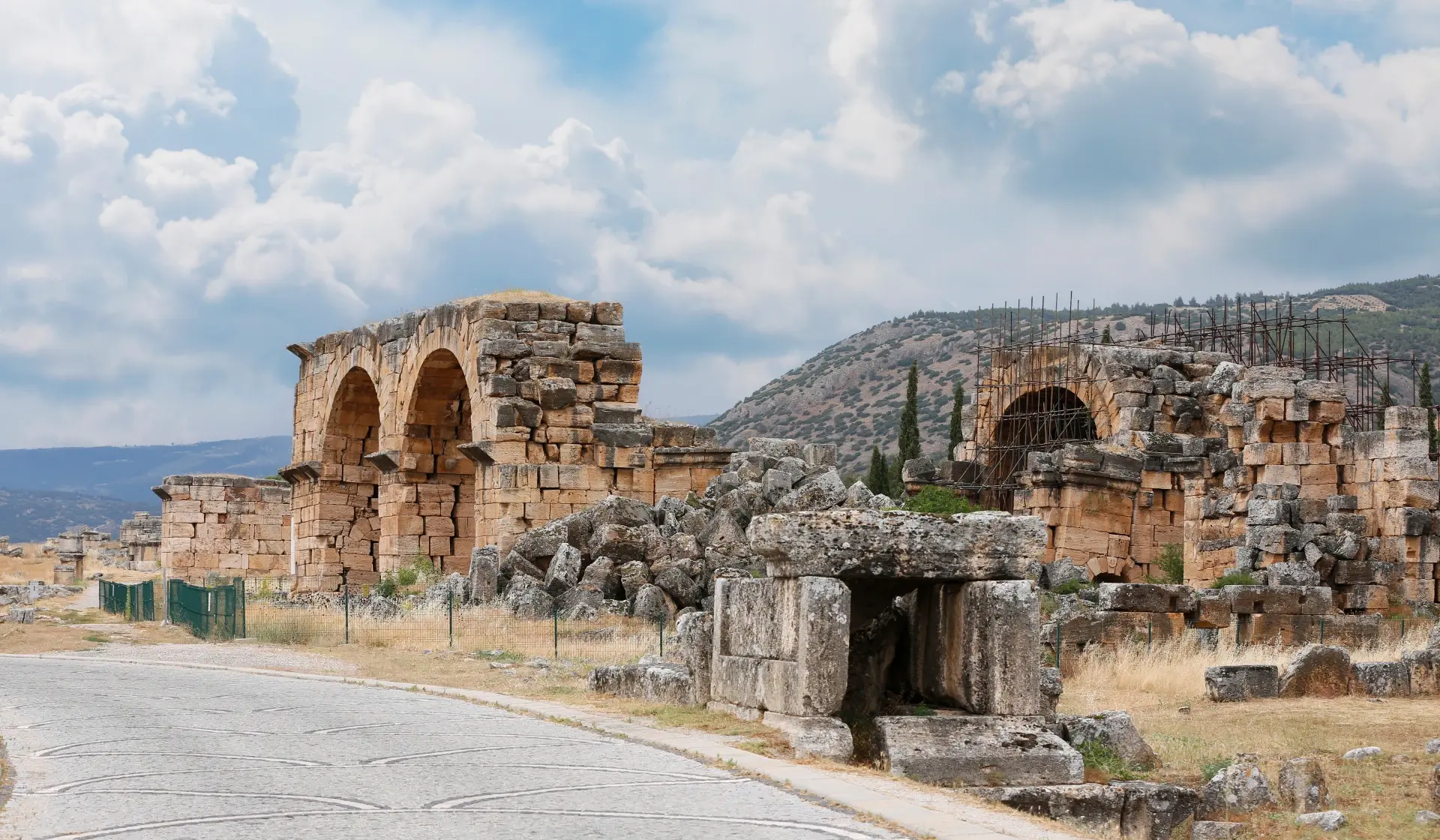
Roman baths, sarcophagi, and finds from the necropolis
Inside the museum, attention is usually drawn to the large stone monuments - sarcophagi, relief funerary markers, and sculptures found in the necropolis of Hierapolis, one of the most famous in Asia Minor. Through them, visitors can trace how burials were designed, what subjects were used in the decoration, and how the style changed during the Roman period. Some of the exhibits are displayed so that the details of the carving and inscriptions can be clearly seen.
In addition to funerary monuments, the exhibition includes architectural elements and objects from the urban environment: capitals, fragments of columns, decorative blocks, as well as smaller archaeological finds. They help to imagine the layout of houses, baths, streets, and public buildings. Thanks to the fact that the museum is housed in the former baths, the visit also introduces the building itself - its massive walls and layout.
In the courtyard and in separate halls, the largest stone objects are usually displayed, while smaller items are collected in showcases. It is worth allowing time both for the exhibits themselves and for reading the explanations, especially if you are interested in the history of the city and Roman funerary culture. Nearby are the ruins of Hierapolis, the ancient theater, and the paths leading to the travertines of Pamukkale.
The museum is most conveniently reached through the entrance to the Pamukkale archaeological zone and then on foot through the complex. It is usually included in the same route as the tour of the ancient city's ruins.
Best tours and travel experiences across the continent



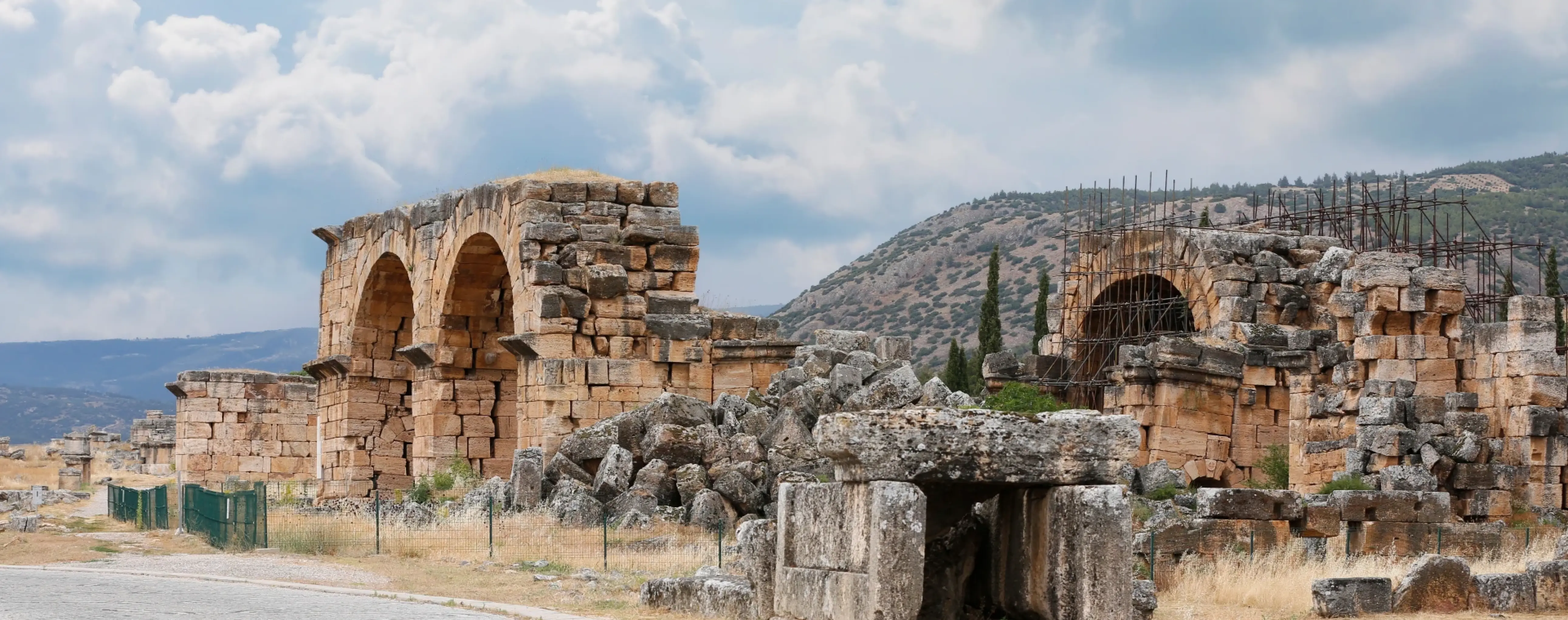
Photos of the Hierapolis Museum
Guided tours, popular attractions, and top-rated hotels across the continent


