
Pamukkale Turkey travel guide to Travertines
Pamukkale, Turkey
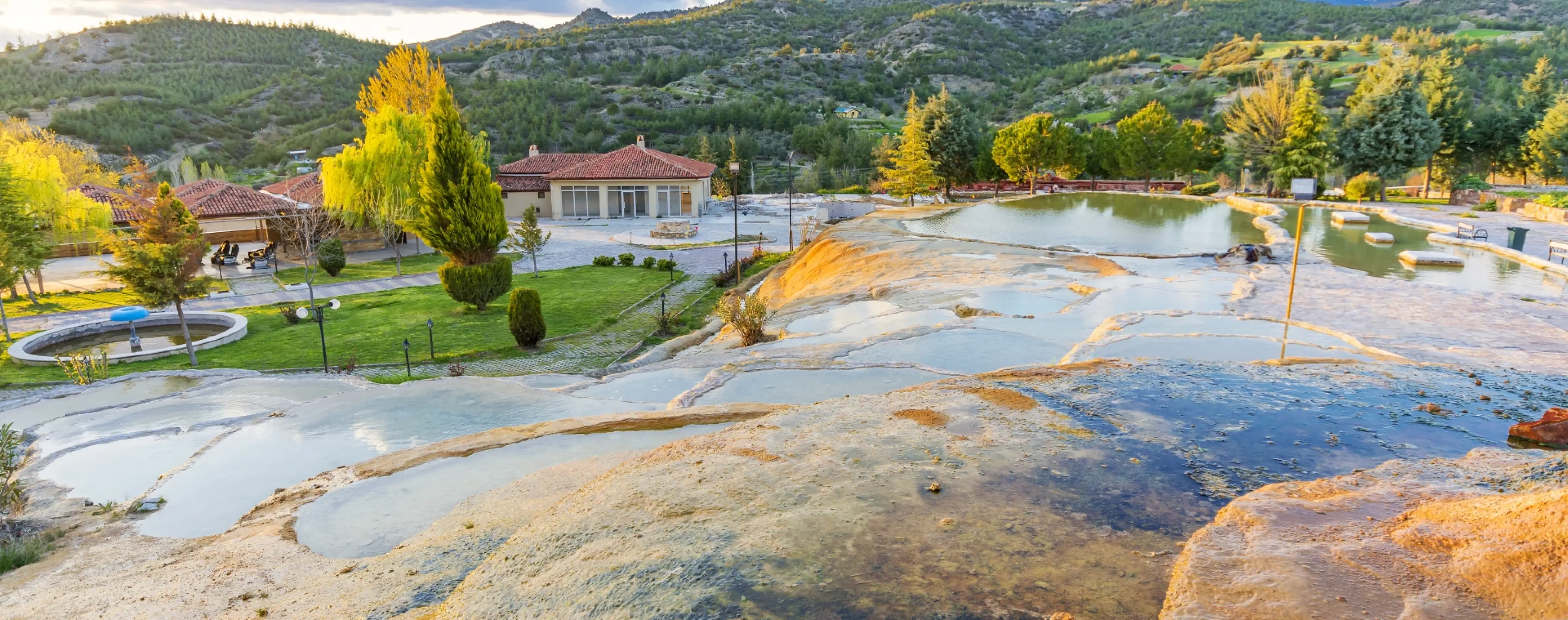
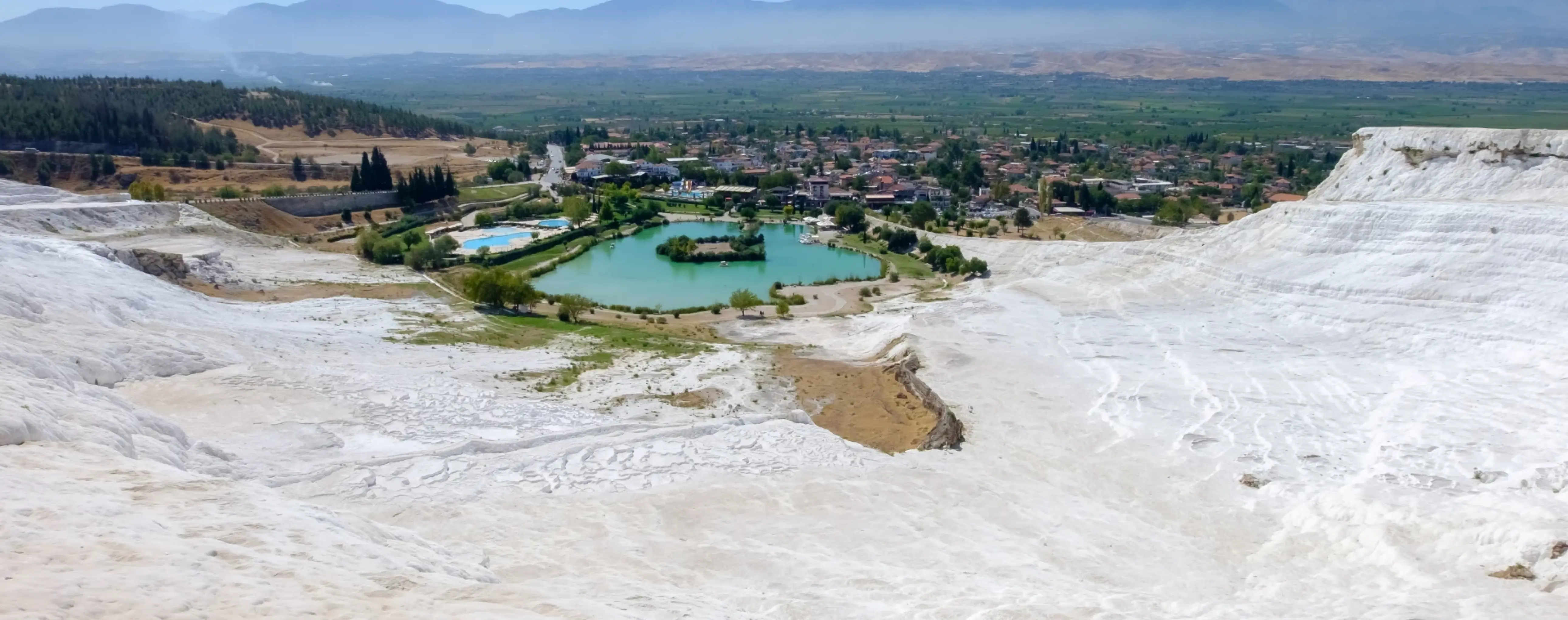
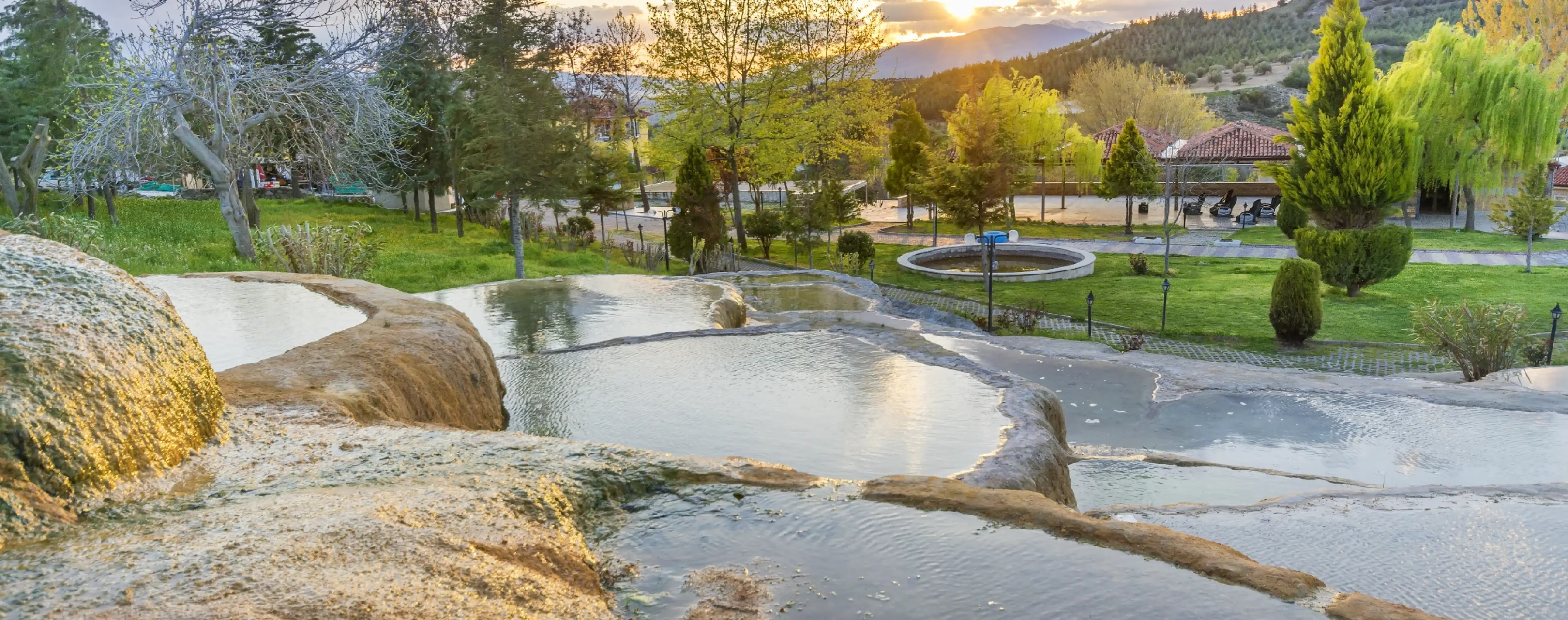
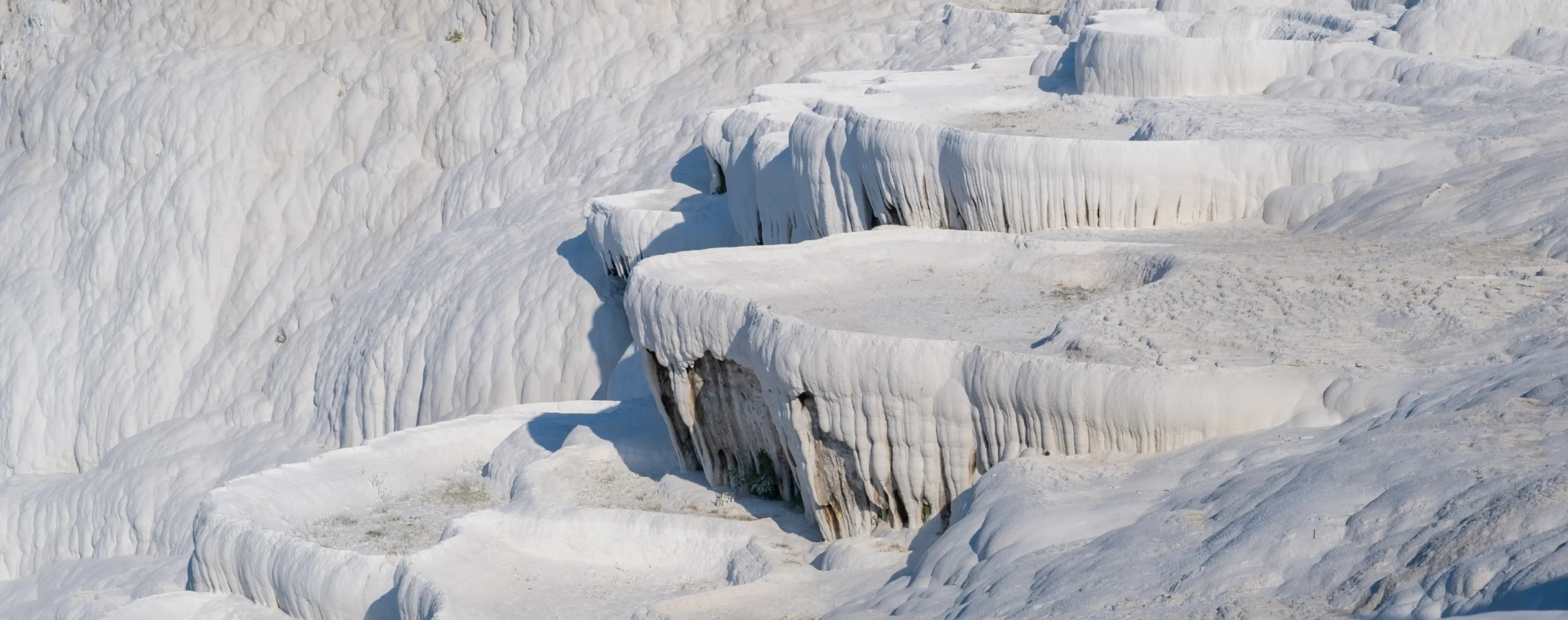
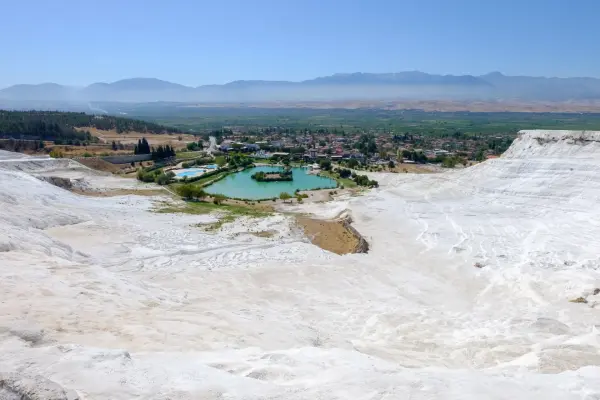
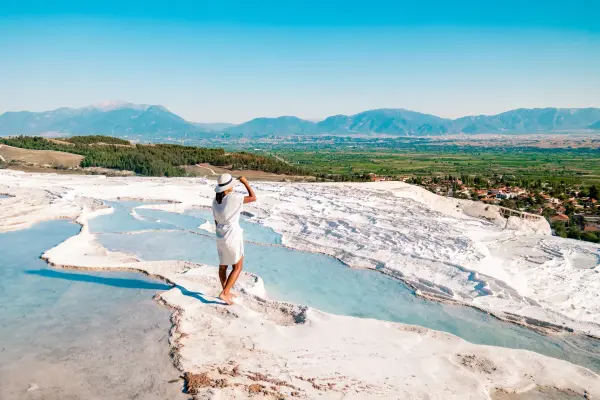
Pamukkale lies in the Aegean Region of Turkey, in Denizli Province in the country’s southwest. It is an inland thermal destination rather than a coastal one, with no sea or other body of water shaping its setting. Instead, the landscape is defined by mixed terrain and the hillside of bright white travertine terraces formed by mineral-rich thermal waters.
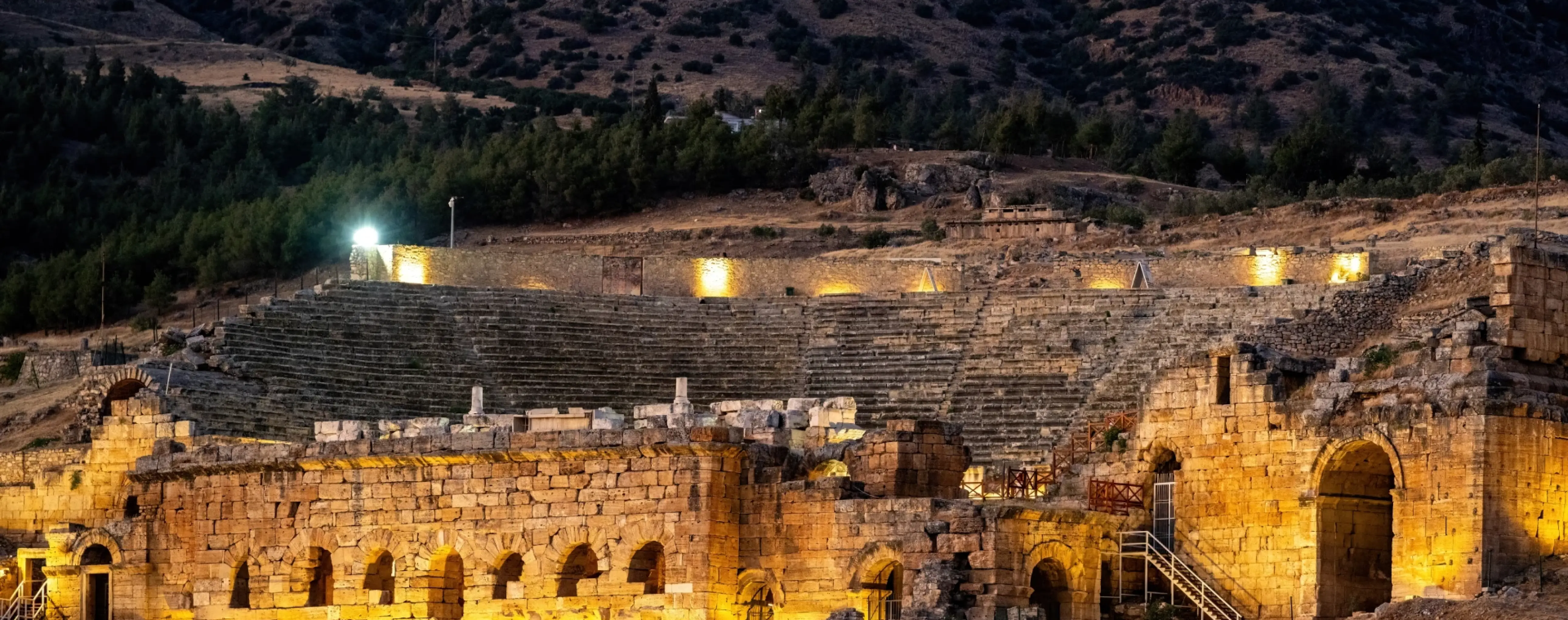
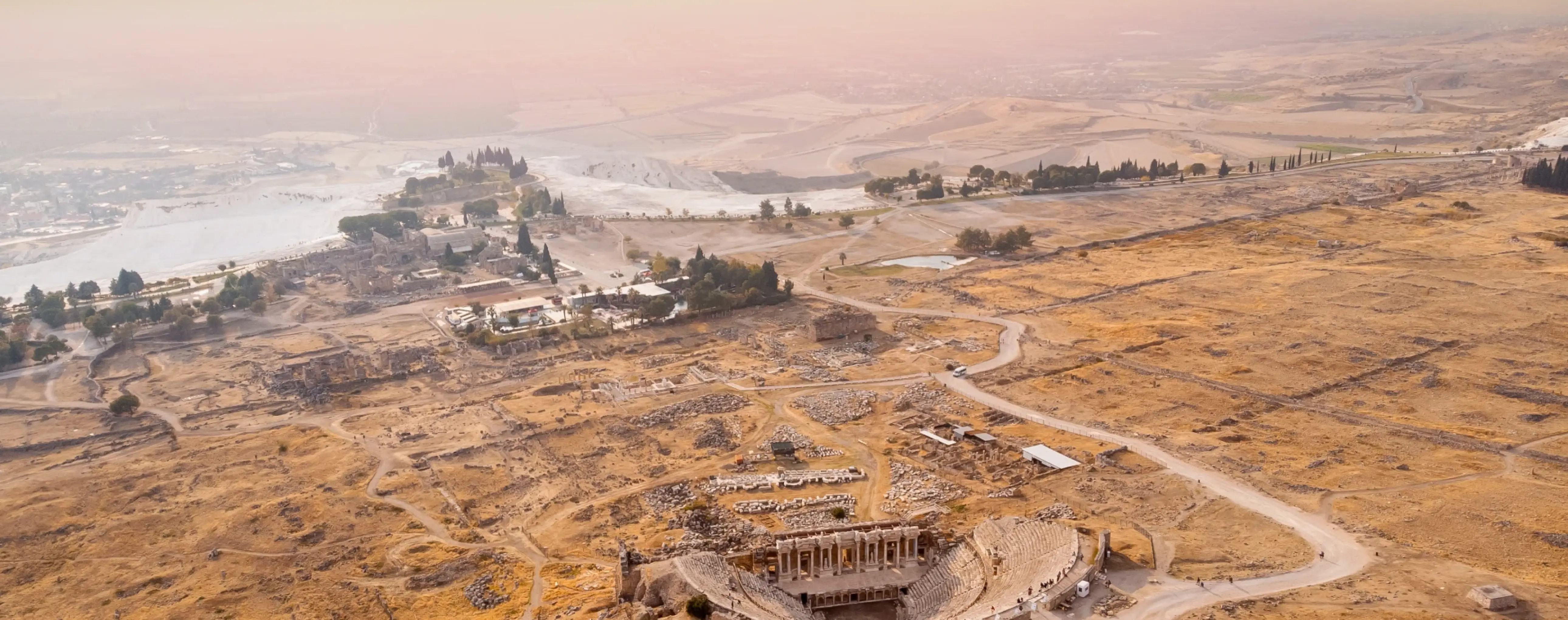
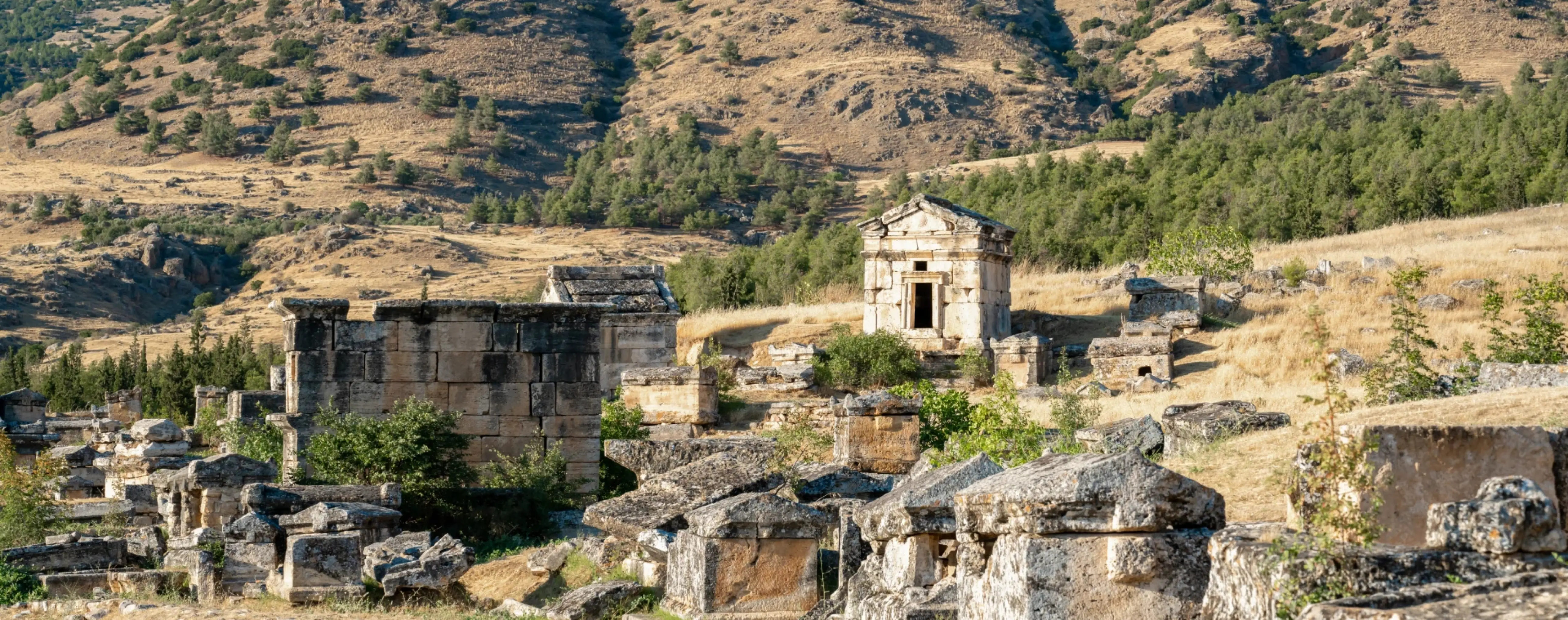
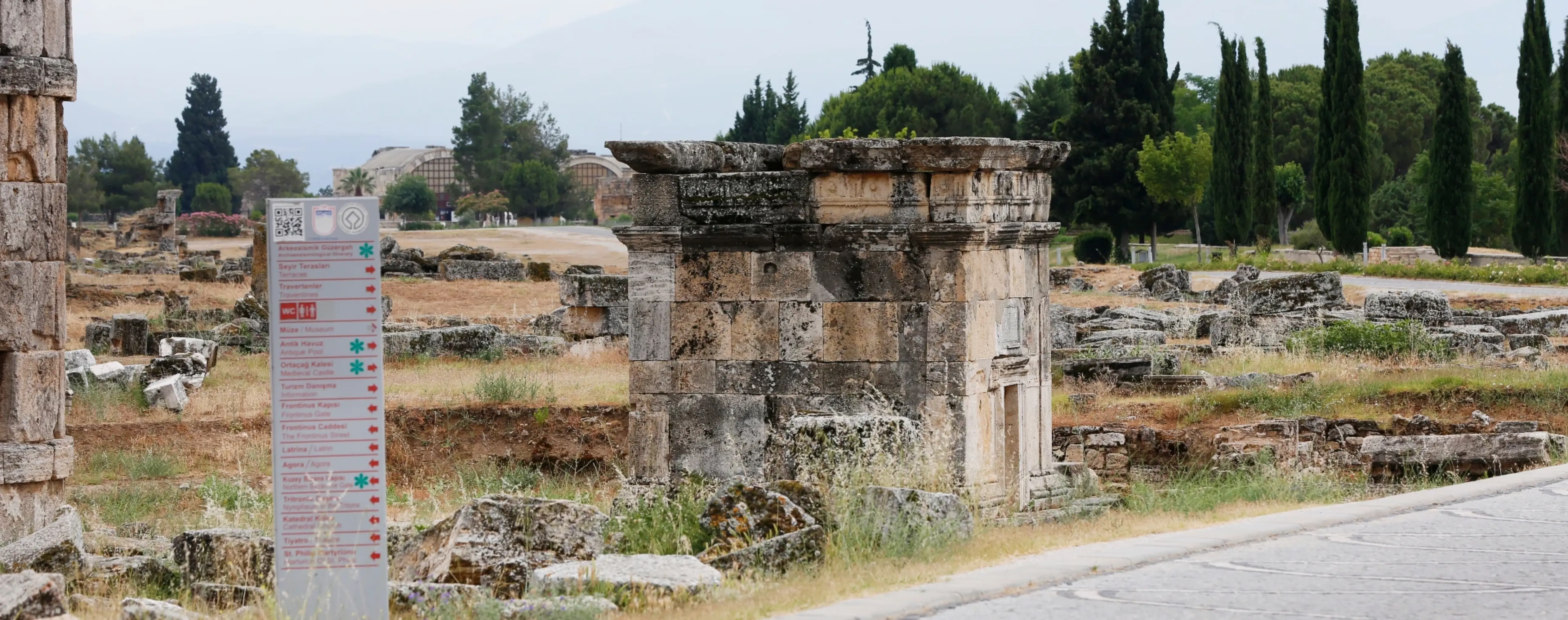
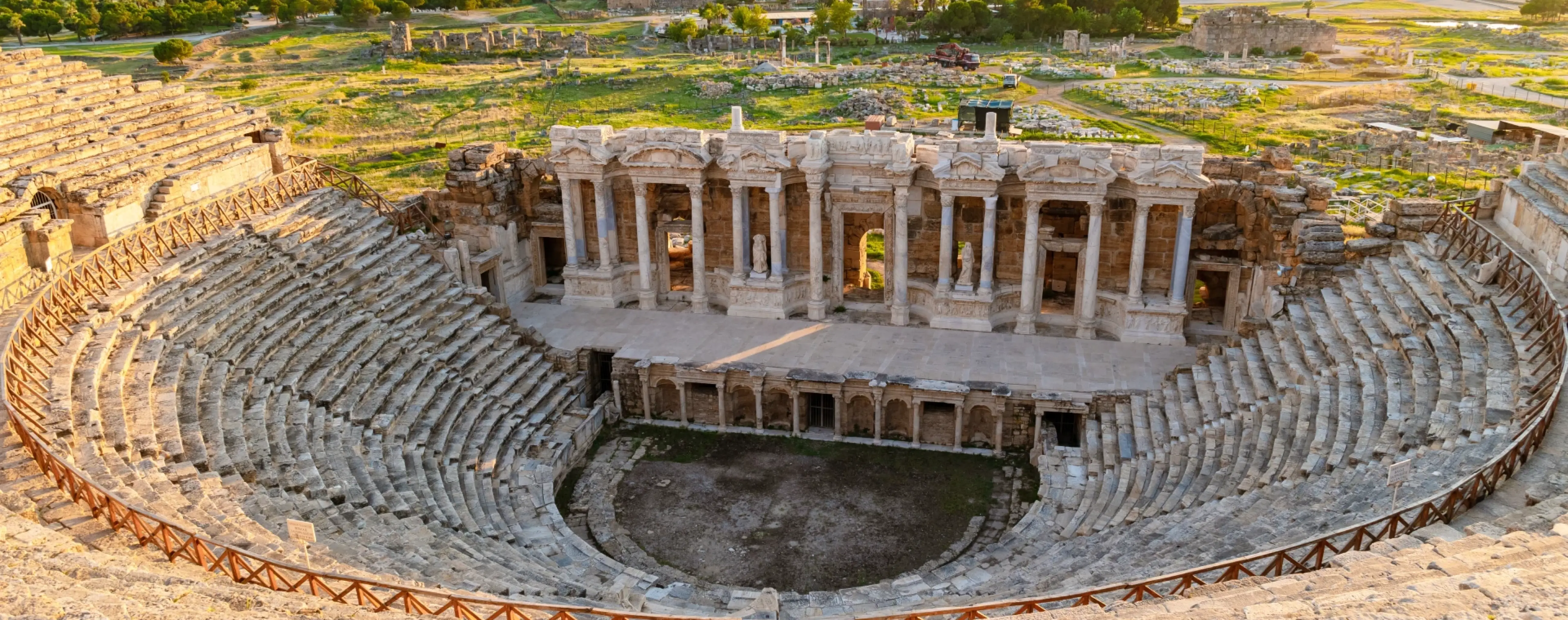
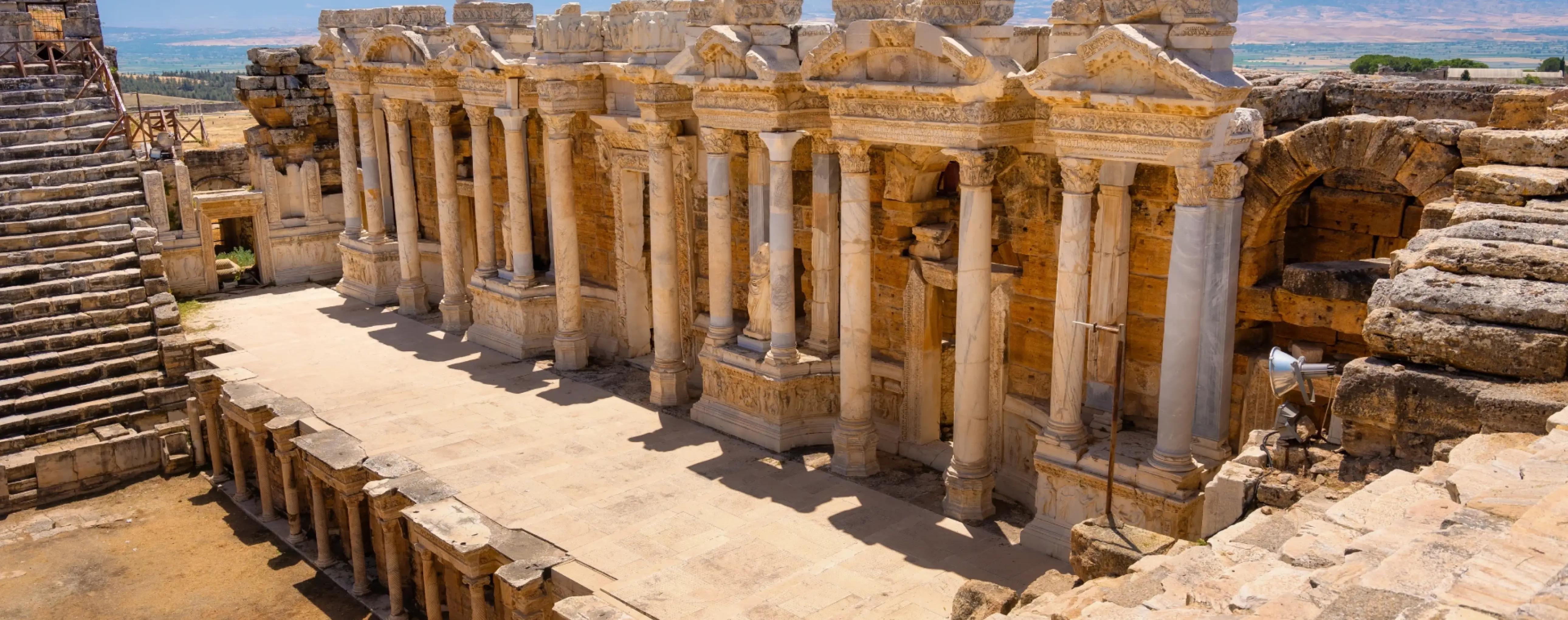
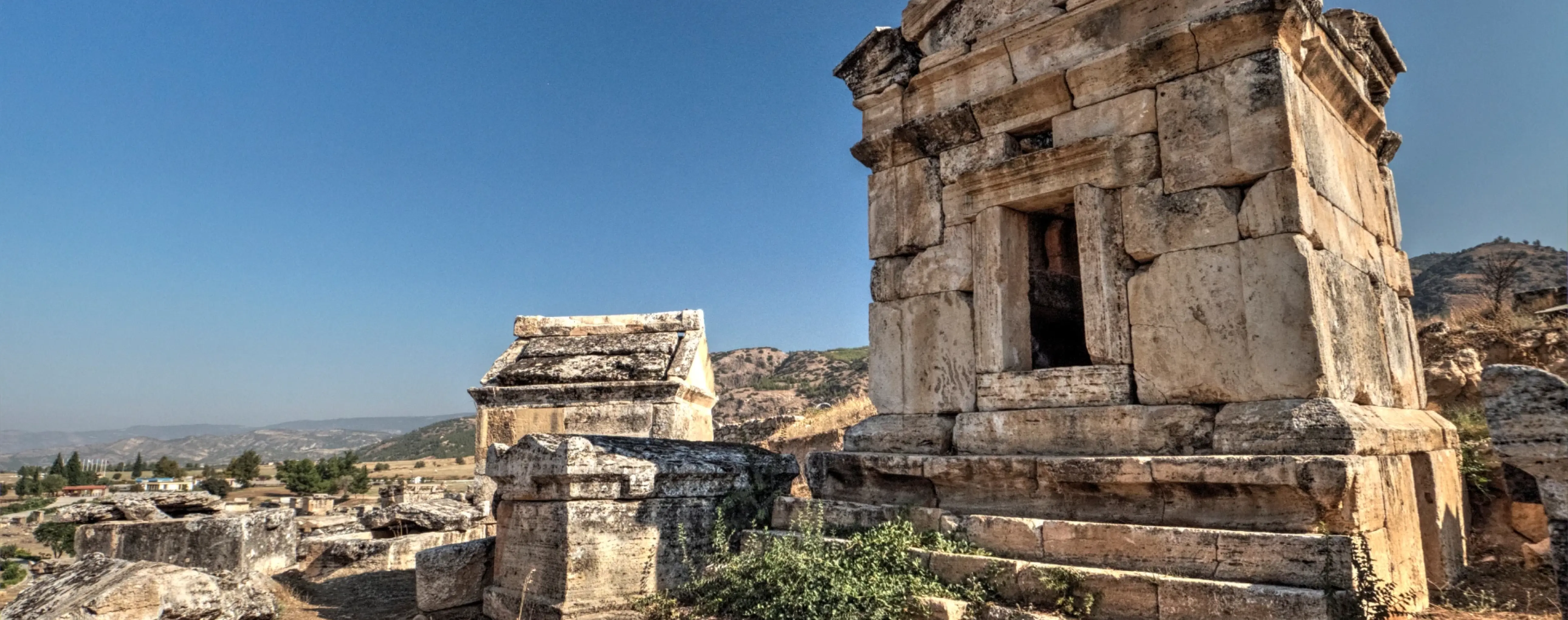
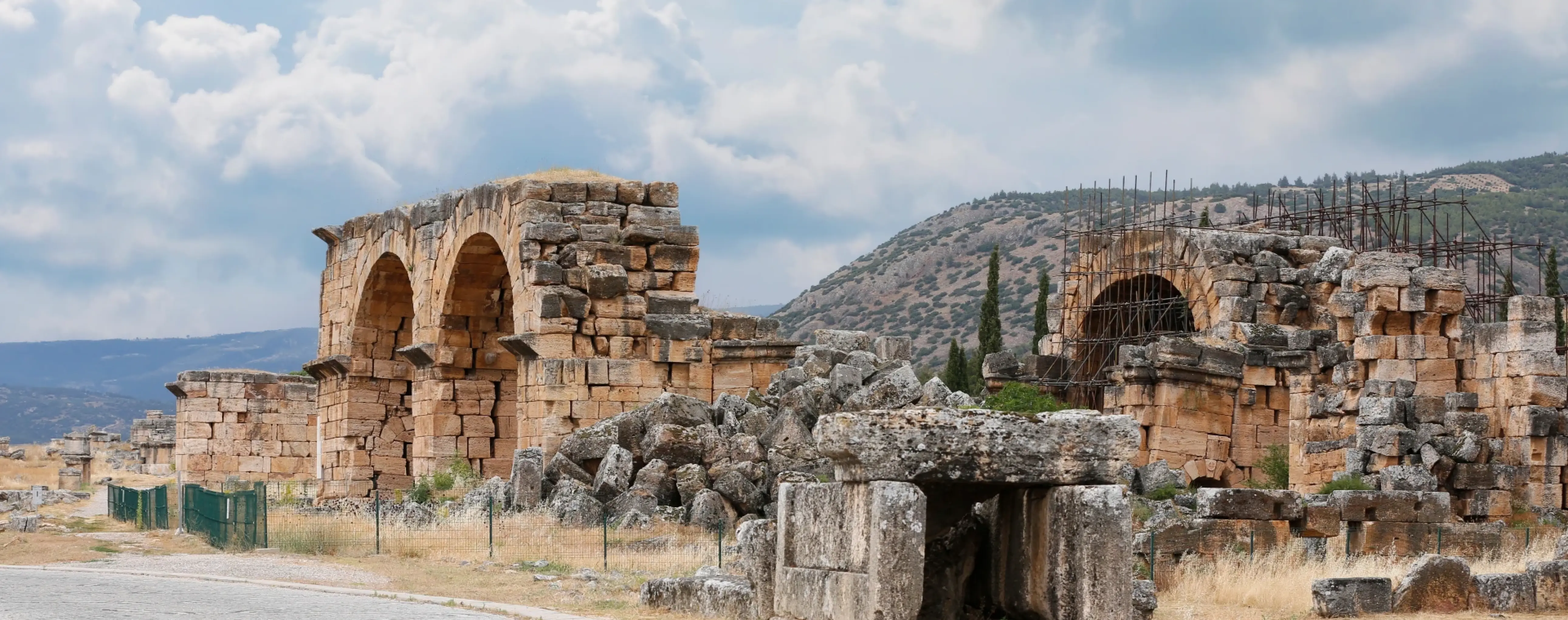
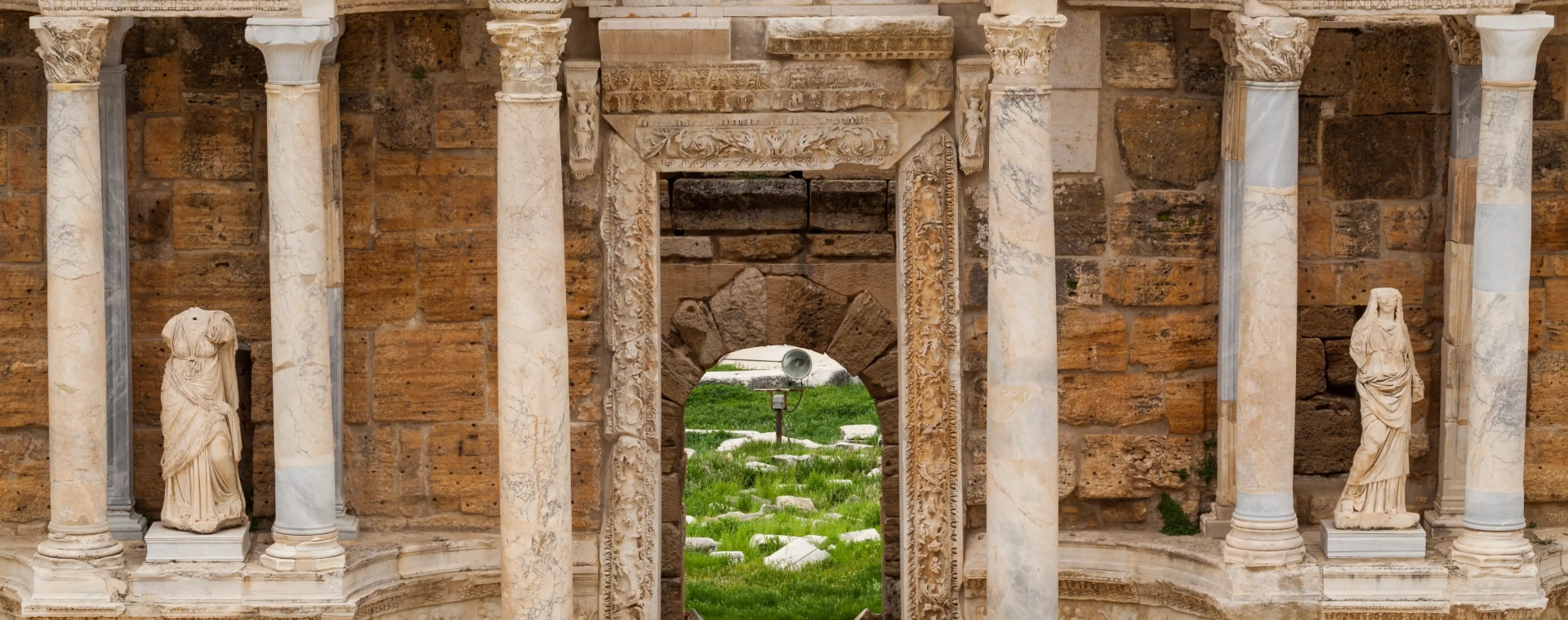
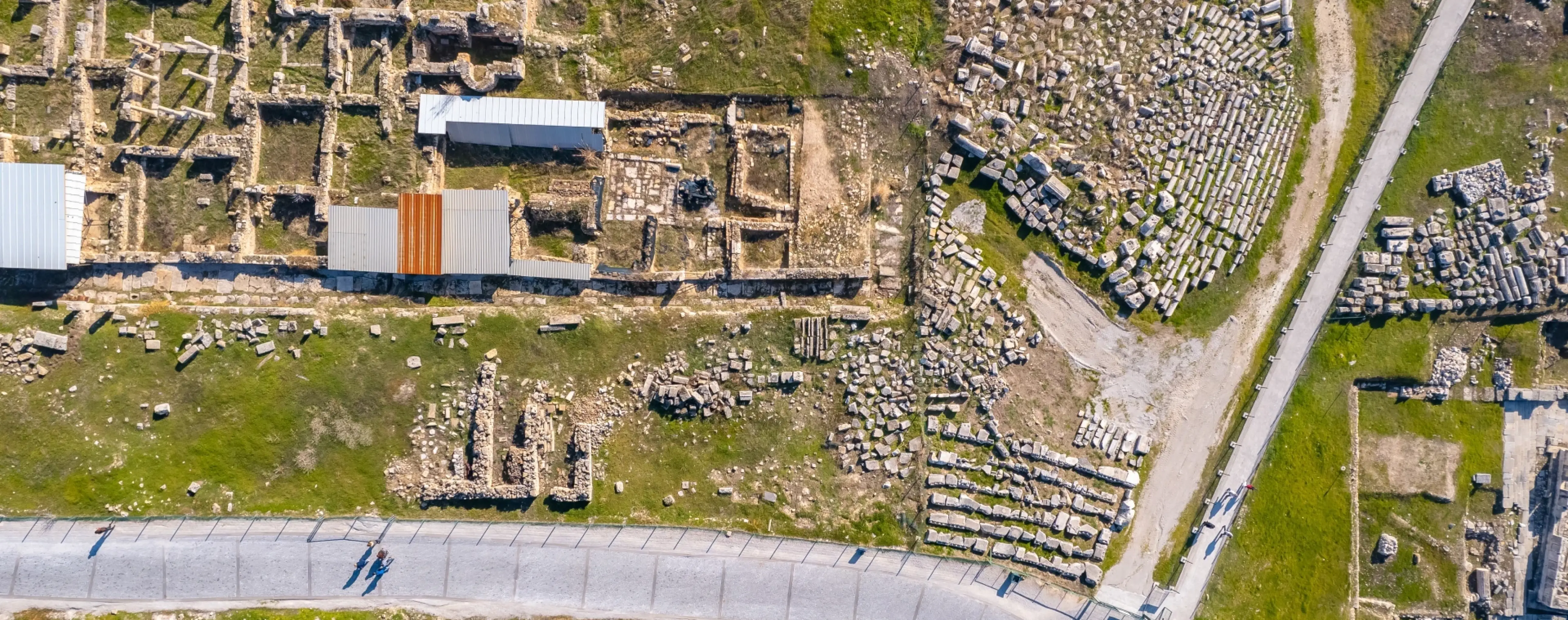
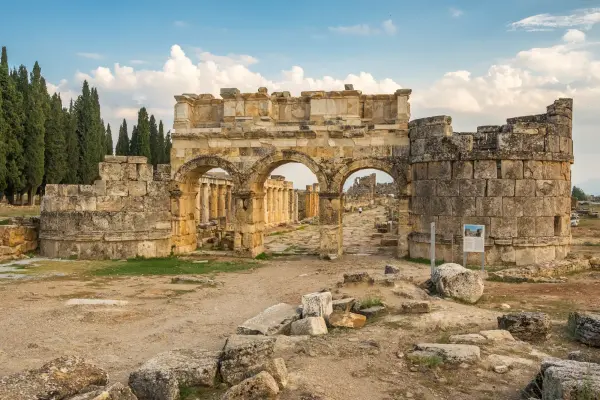
Ancient history and natural history meet here in a single site. Hierapolis was founded in antiquity as a thermal spa city and later developed under Roman rule, with major surviving monuments including the Ancient Theater of Hierapolis and the large necropolis. Roman ruins stand alongside the white travertines, and both are protected together as a UNESCO World Heritage Site.
Pamukkale brings together natural scenery, thermal bathing, and archaeological sightseeing within a compact visitor area. That combination makes it well suited to short holidays or a focused travel guide stop centered on walking, bathing, and exploring a historic spa landscape. The destination is best known for the direct pairing of active thermal formations with a major ancient city.
The main visitor areas are the travertine zone, the Hierapolis archaeological area, and nearby Karahayit. The travertines are the core natural feature, Hierapolis is the principal archaeological zone, and Karahayit is closely linked as a thermal area known for red mineral-rich waters. Many visitors come on day trips from Denizli, though overnight stays are also common; Denizli Cardak Airport is the main airport, road access from Denizli is straightforward, and dolmus services commonly connect Denizli with Pamukkale.
The climate is typically hot and dry in summer. Spring and autumn bring more comfortable conditions for outdoor sightseeing and are the best periods to visit, while thermal bathing is possible year-round. Peak summer afternoons are the main time to avoid, as conditions are less comfortable for walking the site.
Pamukkale on the map
Pamukkale: Attractions, interesting places for excursions
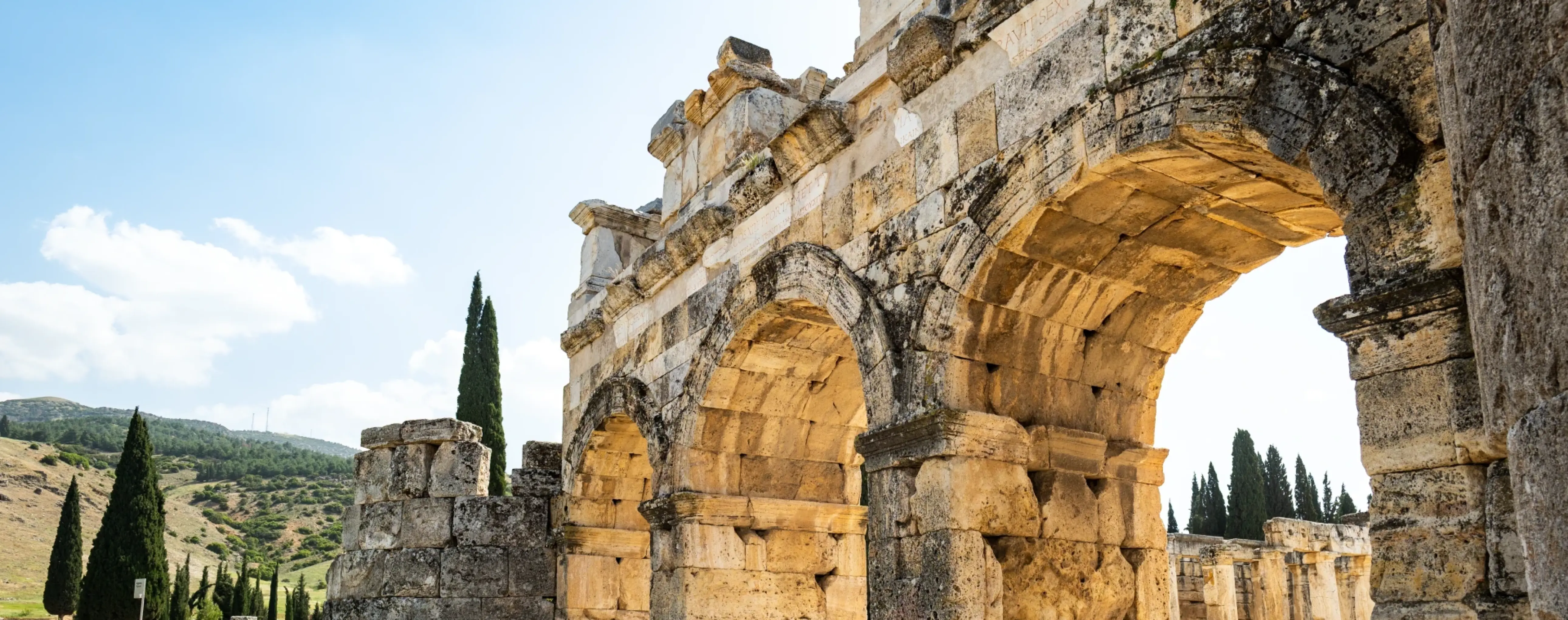
Varol Textile Factory, Pamukkale Nature Park, Domitian Arch Gate, Ancient Hierapolis
Pamukkale: Popular Districts
Hierapolis
What to see in Pamukkale, from Hierapolis to the white travertines
White terraces, Roman ruins, and thermal pools on a sunlit hillside
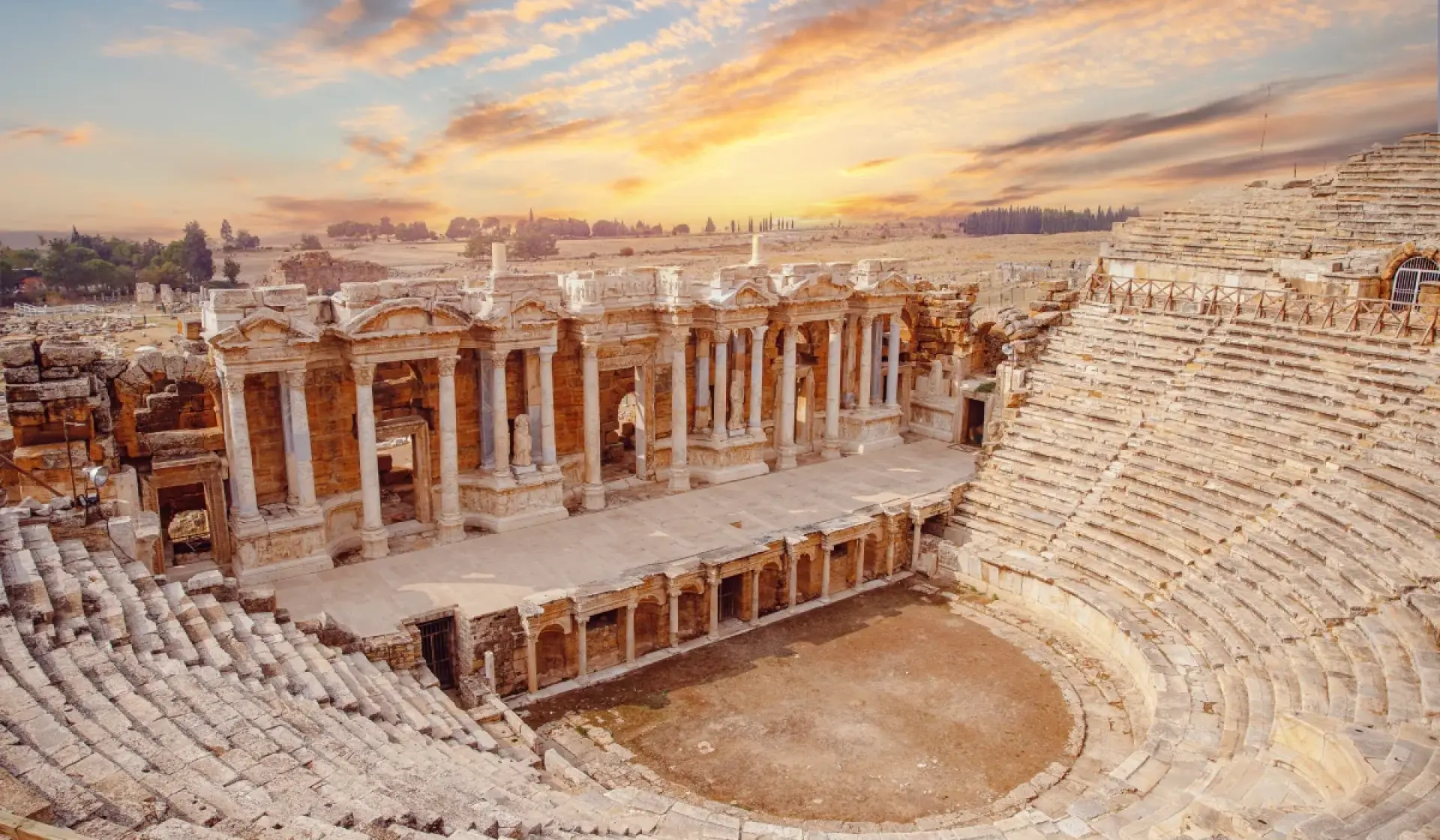
Walking between travertines and Roman remains
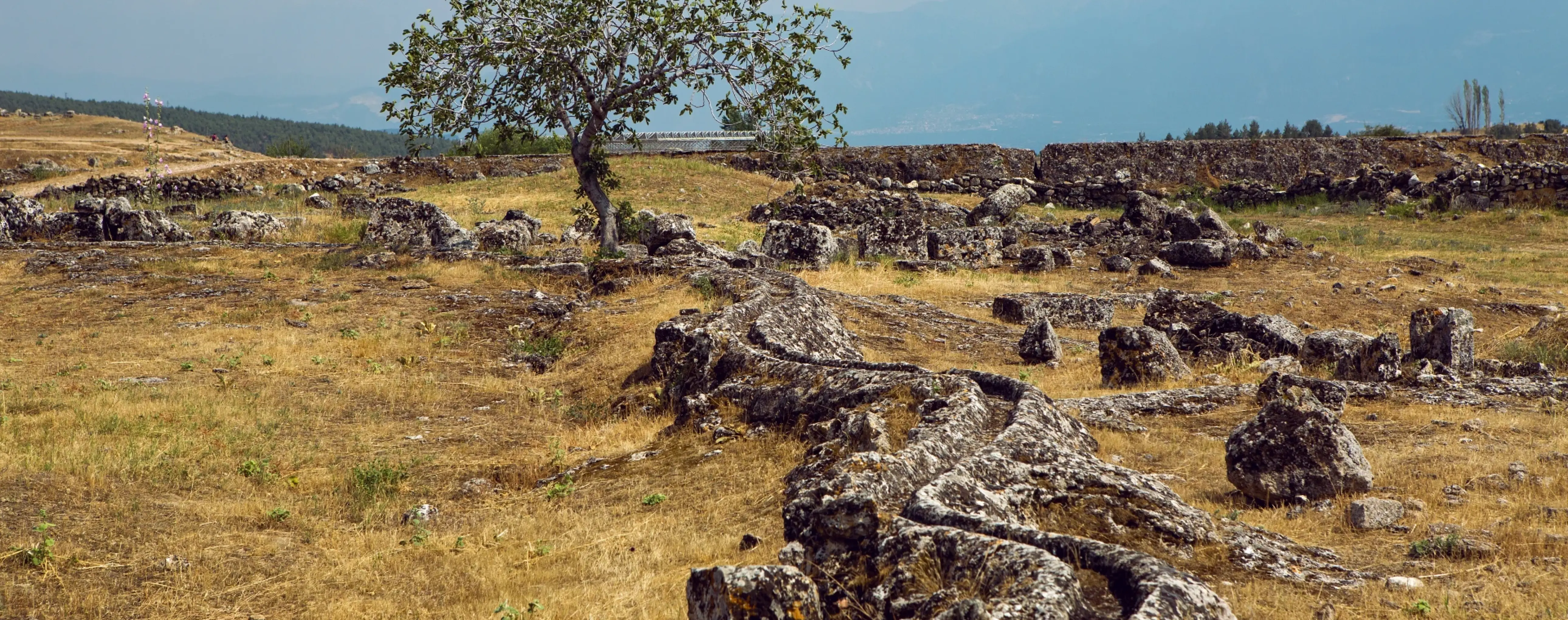
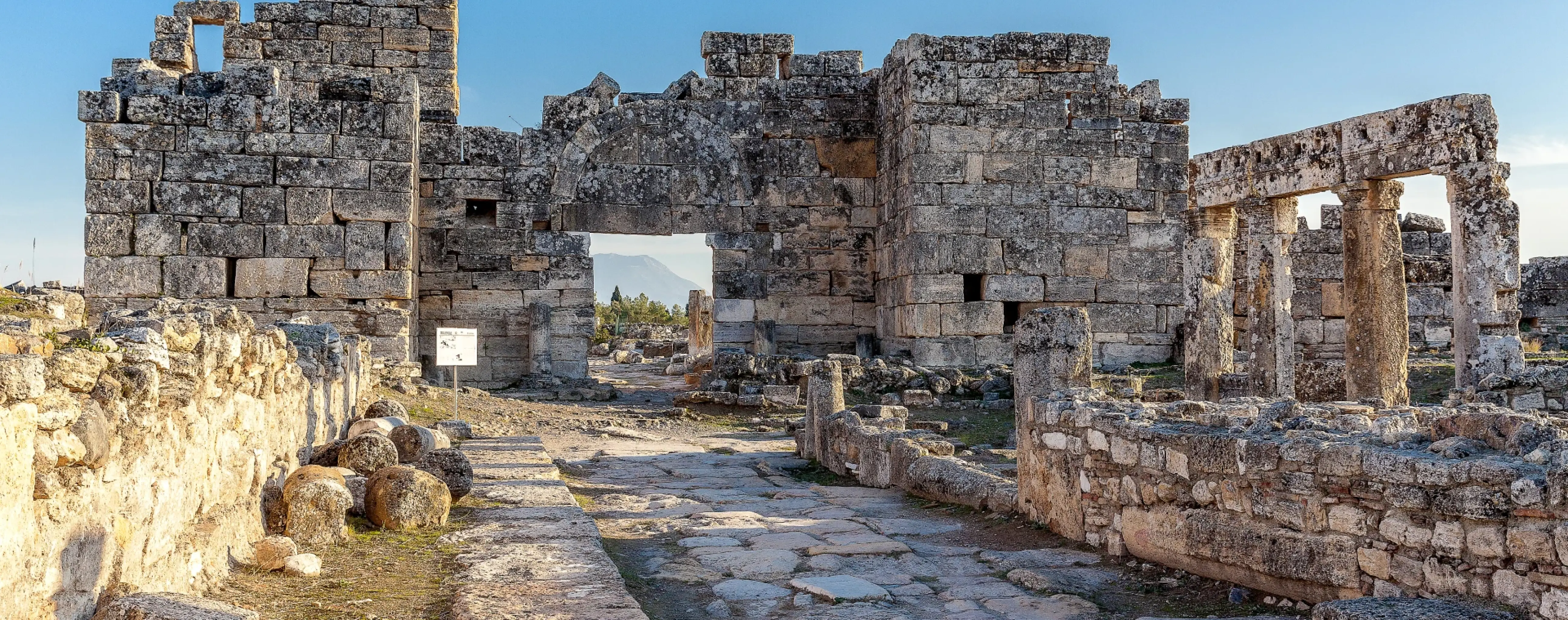
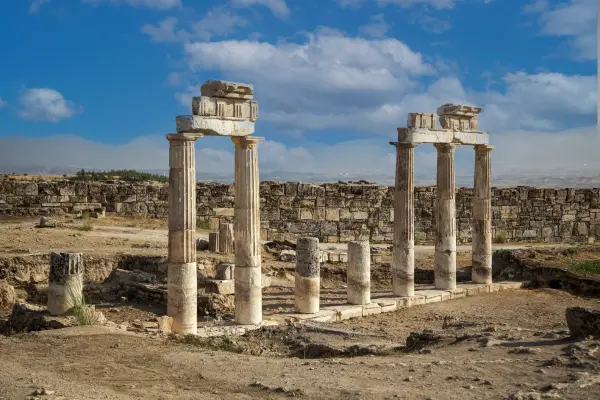
Across the protected core, visitors move between bright white calcium terraces and the hillside ruins of Hierapolis. Key heritage sights include Hierapolis Ancient City, the Ancient Theater of Hierapolis, and the Hierapolis Necropolis, which trace the site’s development from an ancient thermal spa city into a Roman center. On the ground, one of the defining experiences is the contrast between the white mineral formations and the Roman remains.
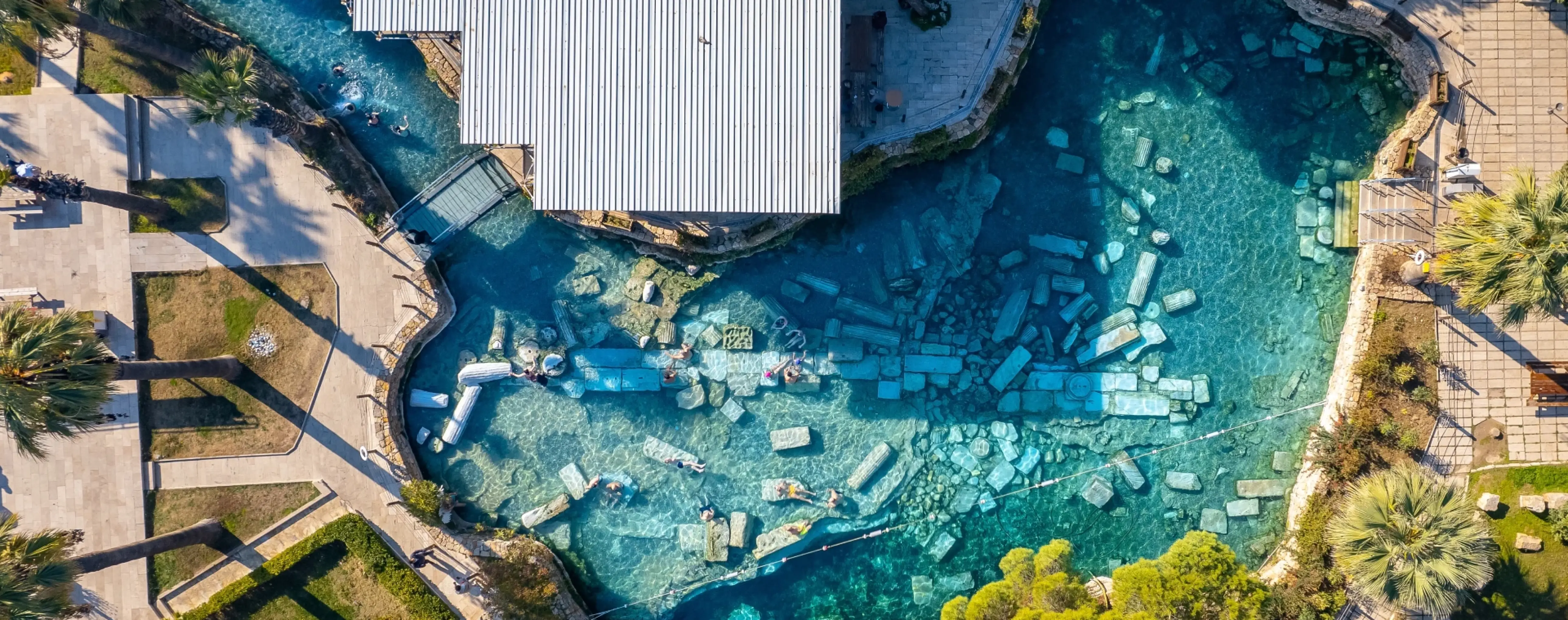
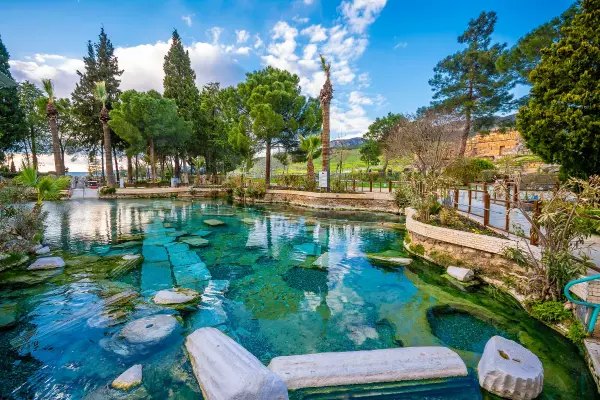
The central natural feature is the travertine formation itself, created by mineral-rich thermal waters flowing down the hillside. Bathing forms part of the site experience at the Antique Pool, where submerged ancient stone fragments shape the setting, and Cleopatra Pool is also named among the key landmarks. To protect the fragile mineral formations, walking on the travertines is restricted to designated areas, and these protected terraces remain among the main places to visit.
Time here typically centers on walking on designated sections of the travertines, visiting the ruins of Hierapolis, bathing in thermal pools, and swimming in the Antique Pool. Many stays also include time in nearby Karahayit, known for red mineral-rich waters, or overnight use of local thermal facilities. Dining around Pamukkale focuses on small restaurants and hotels serving standard Turkish dishes and Denizli specialties, including Denizli kebab.
City Details
City overview – facts & data for travelers
Best tours and travel experiences across the continent
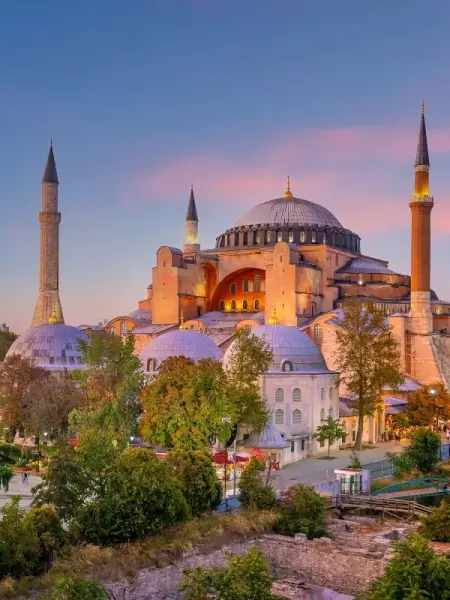
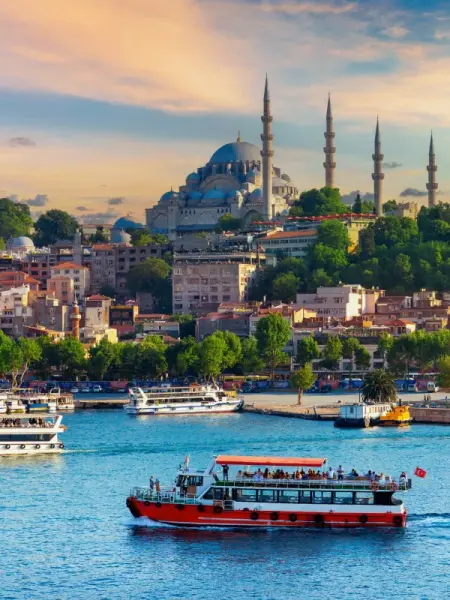

Pamukkale views
Guided tours, popular attractions, and top-rated hotels across the continent