
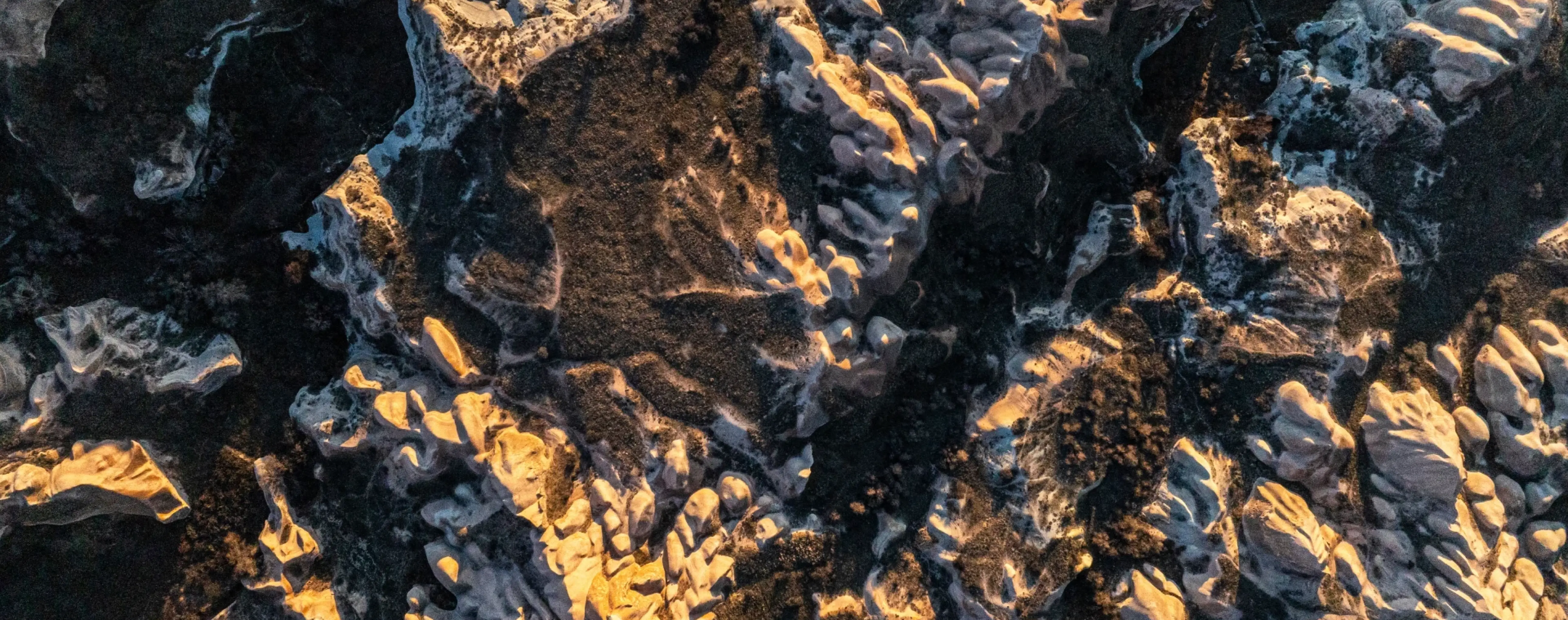
The Gorges of Cappadocia
The Gorges of Cappadocia around Goreme and Uchisar, Turkey
The gorges of Cappadocia are located in central Turkey, around Goreme, Uchisar, Cavusin, Ortahisar, and other settlements in the region. This landscape was formed by centuries of erosion of soft volcanic tuff created after the eruptions of the ancient volcanoes Erciyes, Hasan, and Melendiz. Over time, a complex network of valleys, canyons, narrow passages, and rock pinnacles developed here, and today walking and trekking routes run through them.
Cappadocia is characterized by a combination of natural relief and traces of centuries of human settlement. Preserved in the rocks are dovecotes, utility rooms, living chambers, and small rock-cut churches from the Byzantine period. In many gorges, you can see how natural formations stand alongside monuments of rock architecture, making walks here interesting not only for the scenery, but also for the history of the region.
Among the most famous routes are Pigeon Valley, Rose Valley, Red Valley, and Love Valley. They differ in length, terrain, and difficulty: some are suitable for a leisurely walk, while others require greater caution on climbs and rocky sections. The Ihlara Valley stands apart, located farther from Goreme: it is a deeper gorge with a river, trees, and rock-cut churches with fragments of wall paintings.
The gorges of Cappadocia are chosen for their hiking routes, viewpoints, and the opportunity to see one of Turkey’s most recognizable geological landscapes. The most convenient time to come here is in spring and autumn, when temperatures are usually milder than in summer. Most starting points are located near the region’s tourist centers, so the gorges can easily be included in a trip around Cappadocia for one day or for several walks.
The Gorges of Cappadocia on the map
The gorges of Cappadocia, trails, viewpoints, and rock-cut monuments
Hiking routes pass between tuff rocks and Byzantine monuments.
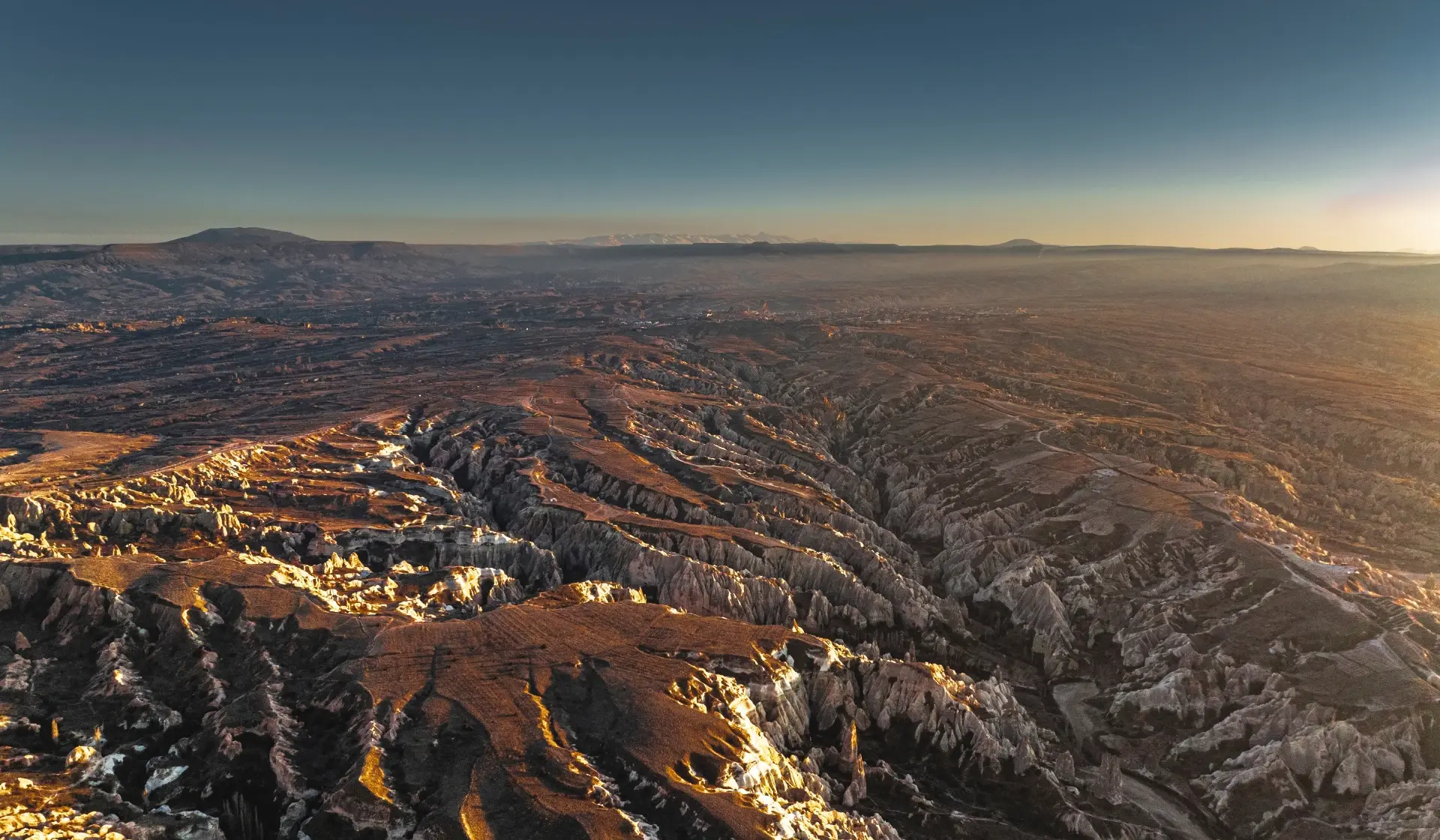
Routes among tuff rocks, churches, and viewpoints
During walks through the gorges, you can see tall tuff pillars, narrow passages between the rocks, natural viewing areas, and rooms carved into the stone. In Rose Valley and Red Valley, the shades of the rocks are especially noticeable at different times of day, while in Pigeon Valley many dovecotes have been preserved, which were once used by local residents. On some trails, there are tunnels, stone steps, and short climbs, so comfortable shoes are truly important here.
Routes around Goreme are often chosen for hikes lasting several hours, photography, and observing the landscape from above. In Love Valley, the unusual rock formations are the main attraction, while the areas near Cavusin are interesting for their combination of natural trails and old rock-cut structures. In the more remote Ihlara Valley, the walk follows water and trees, and along the way you can visit several rock-cut churches with preserved frescoes.
The condition of the trails varies from gorge to gorge: in some places there are signs, railings, and equipped entrances, while in others you need to pay closer attention to navigation. In summer, there is little shade in open sections, so it is better to bring water and set out in the morning or closer to the evening. For a relaxed visit, shorter routes between viewpoints are usually chosen, while for longer walks, routes between Goreme, Uchisar, and Cavusin are preferred.
Near the gorges are the Goreme Open-Air Museum, the fortresses of Uchisar and Ortahisar, as well as the old quarters of Cavusin. Most starting points can be reached by car, taxi, or local excursion shuttles from Goreme and neighboring villages.
Best tours and travel experiences across the continent




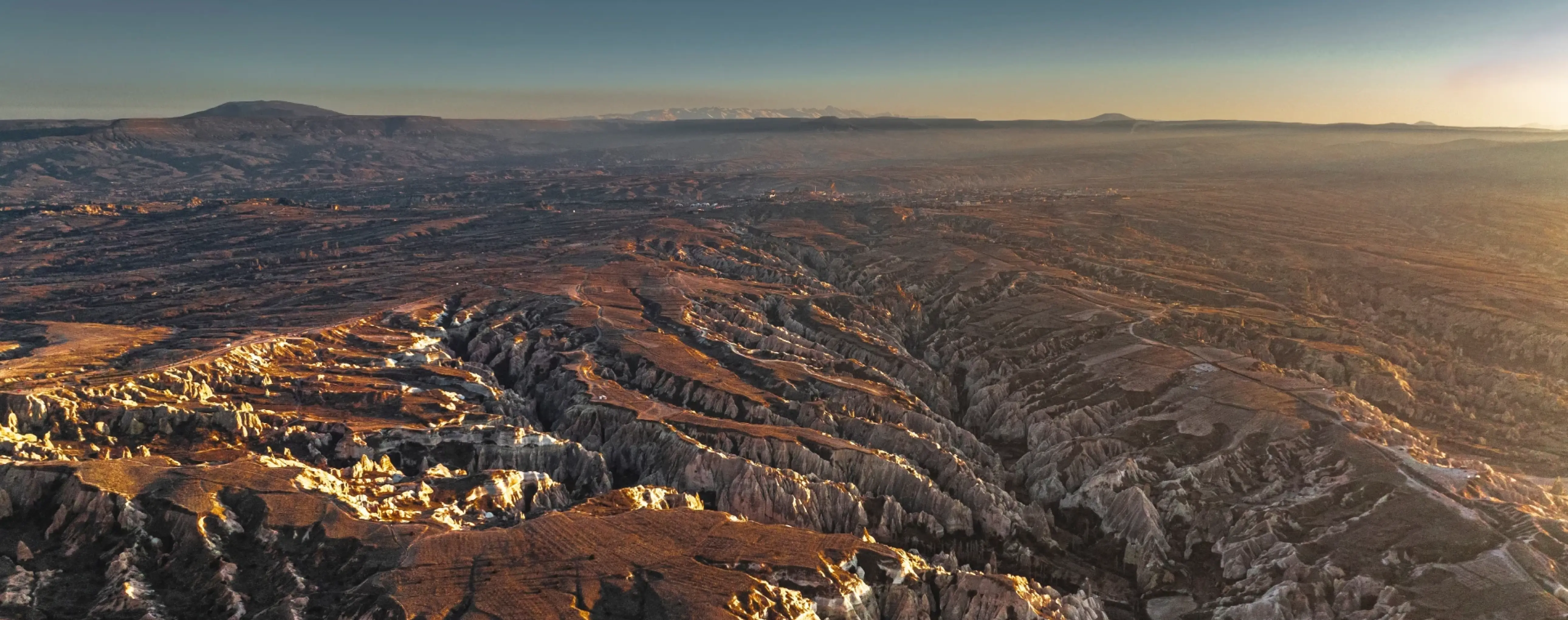
Photos of the gorges of Cappadocia
Guided tours, popular attractions, and top-rated hotels across the continent


