
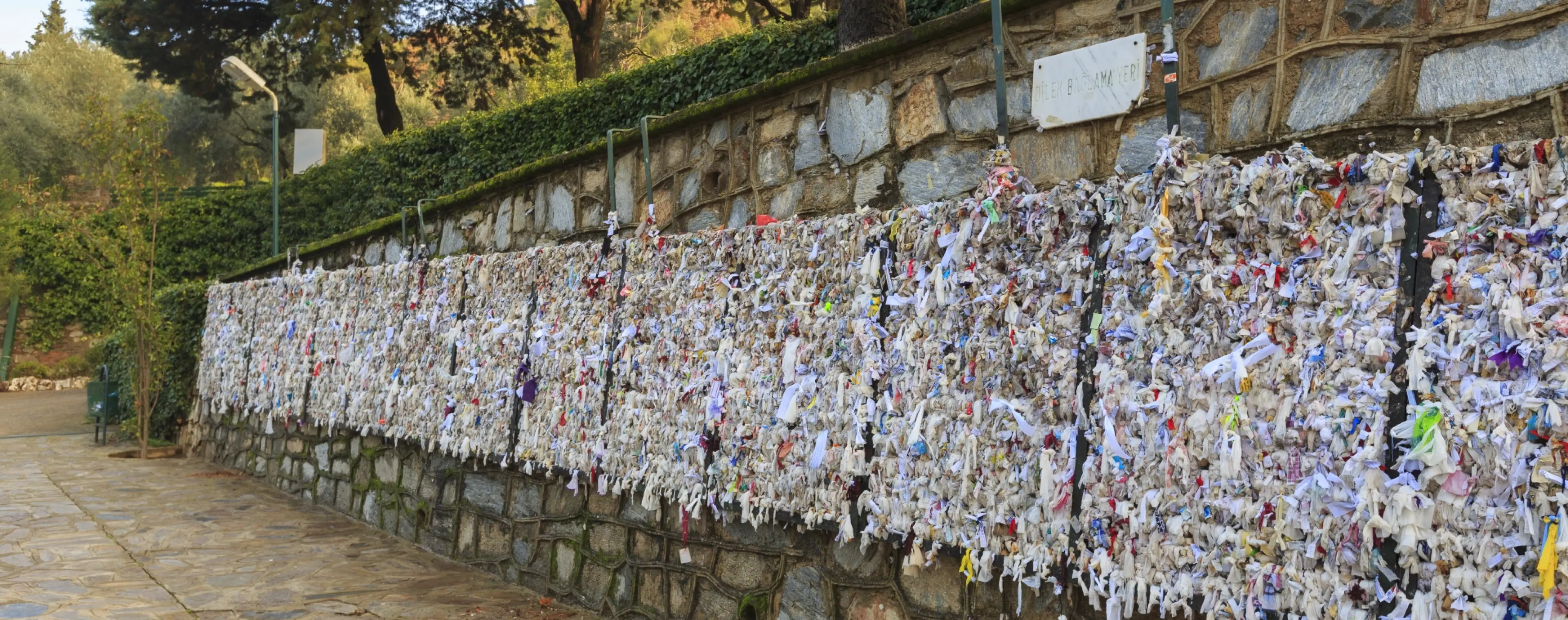
Wishing Wall at the House of the Virgin Mary
Wishing Wall at the House of the Virgin Mary in Izmir, Turkey
The Wishing Wall is located within the sanctuary grounds at the House of the Virgin Mary on Mount Bulbuldag, above ancient Ephesus, near Selcuk in Izmir Province. It is part of a well-visited pilgrimage site that attracts not only believers but also travelers interested in religious history and the monuments of Ephesus.
The house itself is connected with Church tradition regarding the final years of the Virgin Mary's life. The Catholic Church recognizes it as a place of pilgrimage, although Mary's connection with Ephesus belongs primarily to religious tradition rather than to unequivocally confirmed historical evidence. Against this background, the Wishing Wall is seen as a modern and very noticeable part of the overall route through the sanctuary.
The wall is a fence almost completely covered with notes, ribbons, napkins, and strips of fabric. Visitors leave requests, prayers, and personal wishes here. For some, this is a religious gesture; for others, it is a local custom associated with visiting a sacred place.
Interest in the Wishing Wall is usually connected not with its architecture, but with the living tradition that can be observed directly on site. It helps to better understand how pilgrimage practice, folk customs, and tourist interest in the surroundings of Ephesus come together in one space.
Wishing Wall at the House of the Virgin Mary on the map
Izmir, Ephesus: Sanctuaries and temples
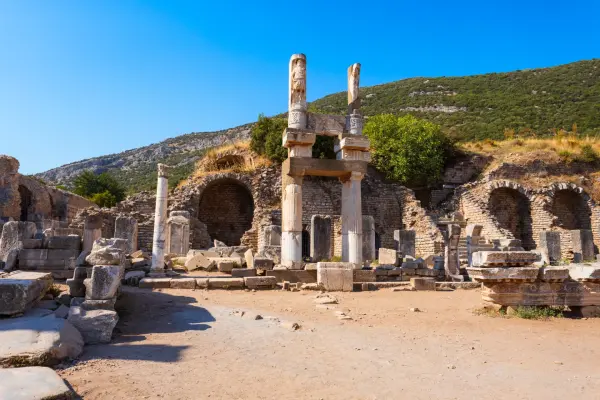
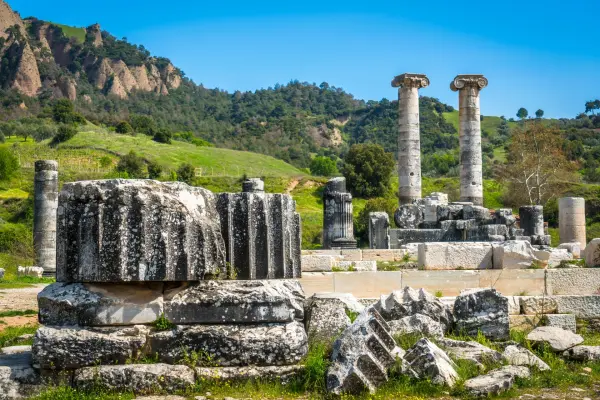
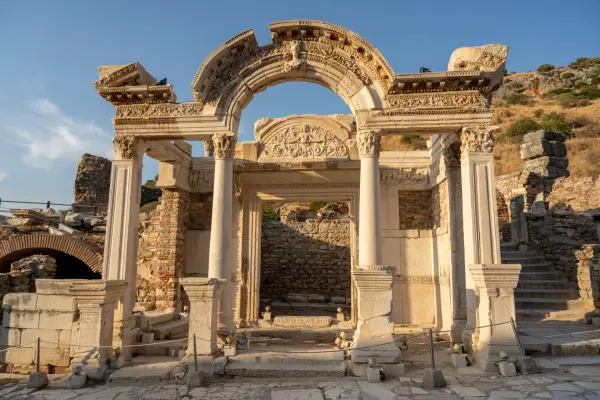
Temple of Domitian, Temple of Artemis at Ephesus, Temple of Hadrian
Wishing Wall at the House of the Virgin Mary and the pilgrimage complex
This is where people leave notes, prayers, and personal requests.
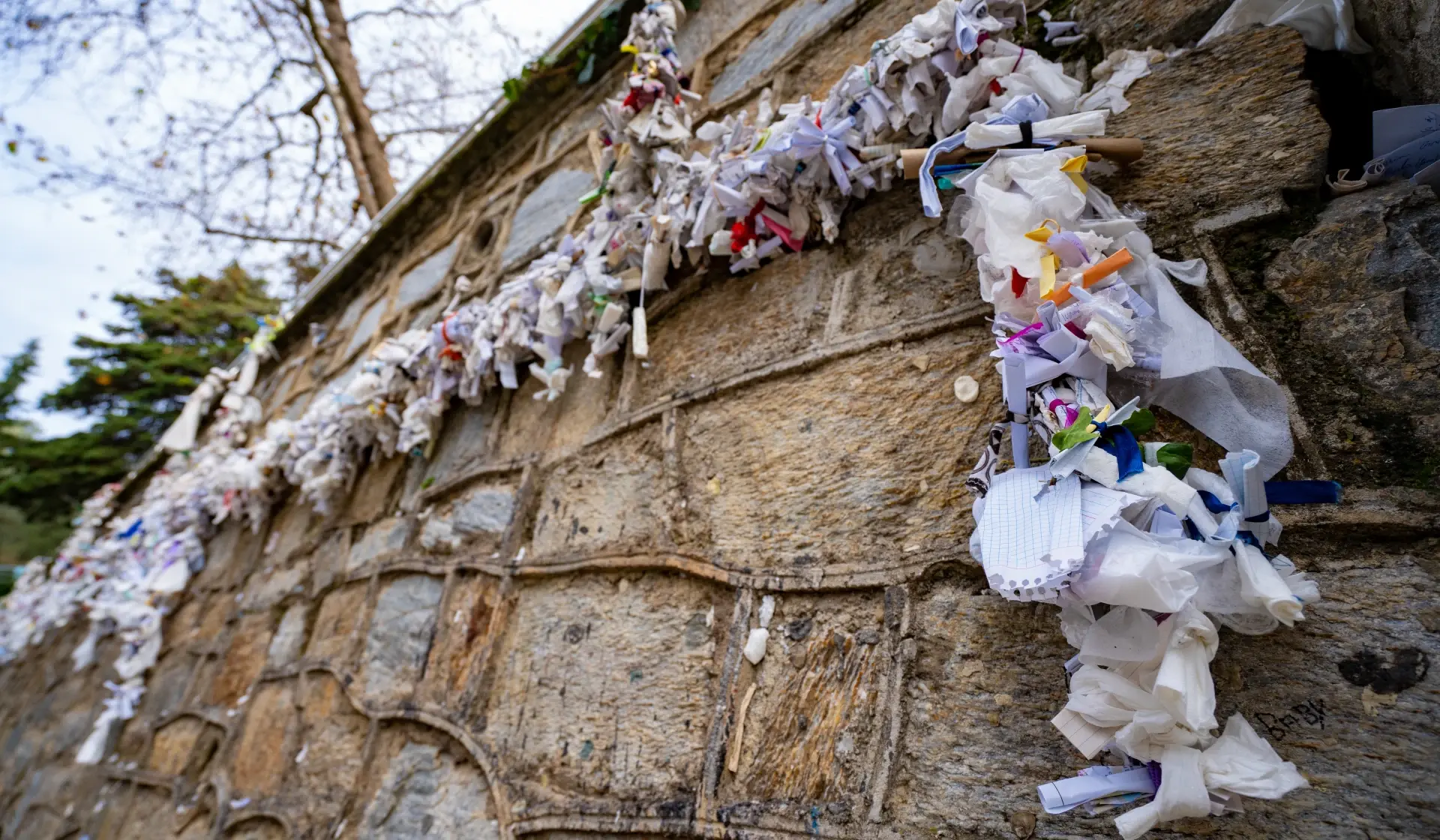
A fence with notes and ribbons next to the sacred spring
The Wishing Wall is located along the pedestrian part of the complex, where visitors arrive after viewing the House of the Virgin Mary. People usually pause here to read the attached notes, leave their own, or simply observe the custom, which has long become part of visiting this place. On the fence, you can see paper notes, strips of fabric, and napkins tied very closely together.
Nearby are a statue of the Virgin Mary and a spring that many visitors also approach. For this reason, a walk around the sanctuary grounds usually consists of several short stops: at the house itself, at the spring, and at the wall. It is important to behave calmly on site, as for some people this is first and foremost a religious space, not just a tourist attraction.
The Wishing Wall is especially interesting for those who want to see not a separate monument, but a living practice that exists in the surroundings of ancient Ephesus. Not far from here are the ruins of ancient Ephesus, the Basilica of Saint John in Selcuk, and the Ephesus Archaeological Museum.
People usually come here by car, taxi, or as part of a tour from Selcuk and the Ephesus area, as the sanctuary is located on elevated ground. A visit to the wall is conveniently combined with seeing the entire complex, without setting aside much separate time for it.
Best tours and travel experiences across the continent


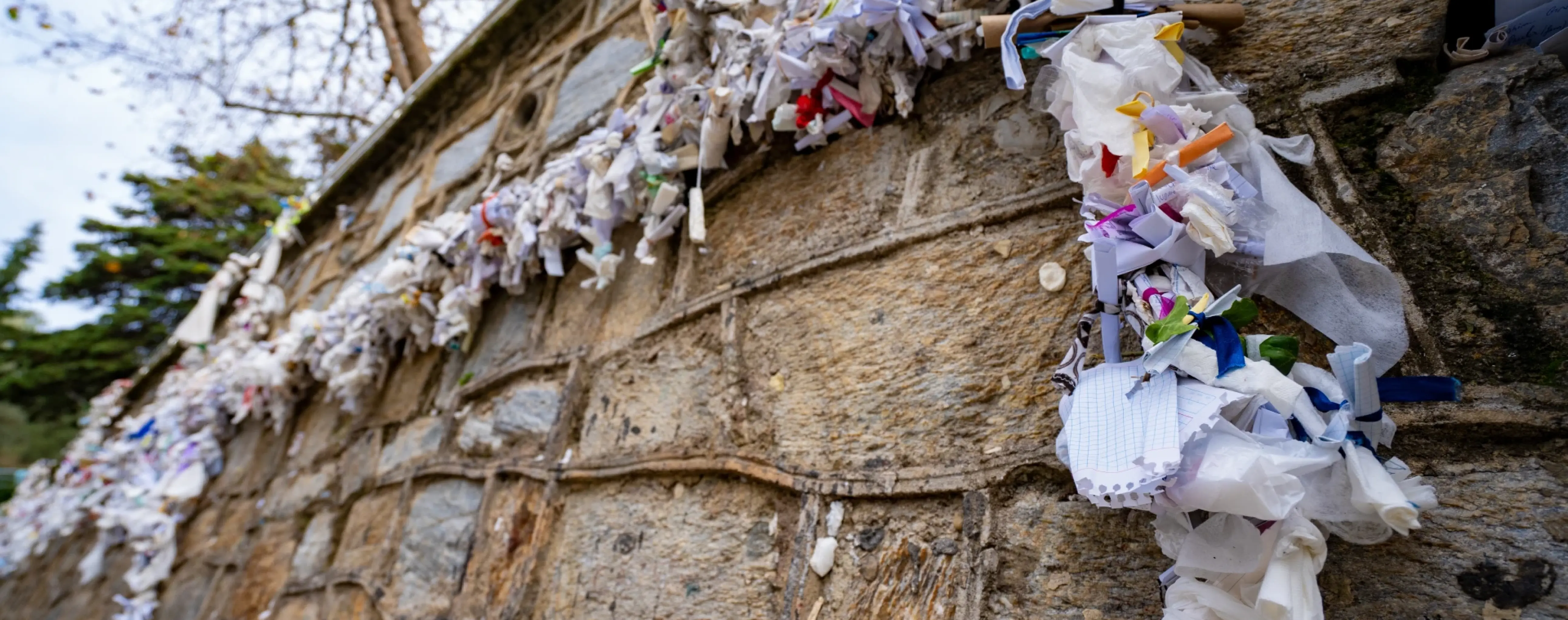
Photos of the wall
Guided tours, popular attractions, and top-rated hotels across the continent


