
Tourism and Travel in Capital Bishkek
Capital Bishkek
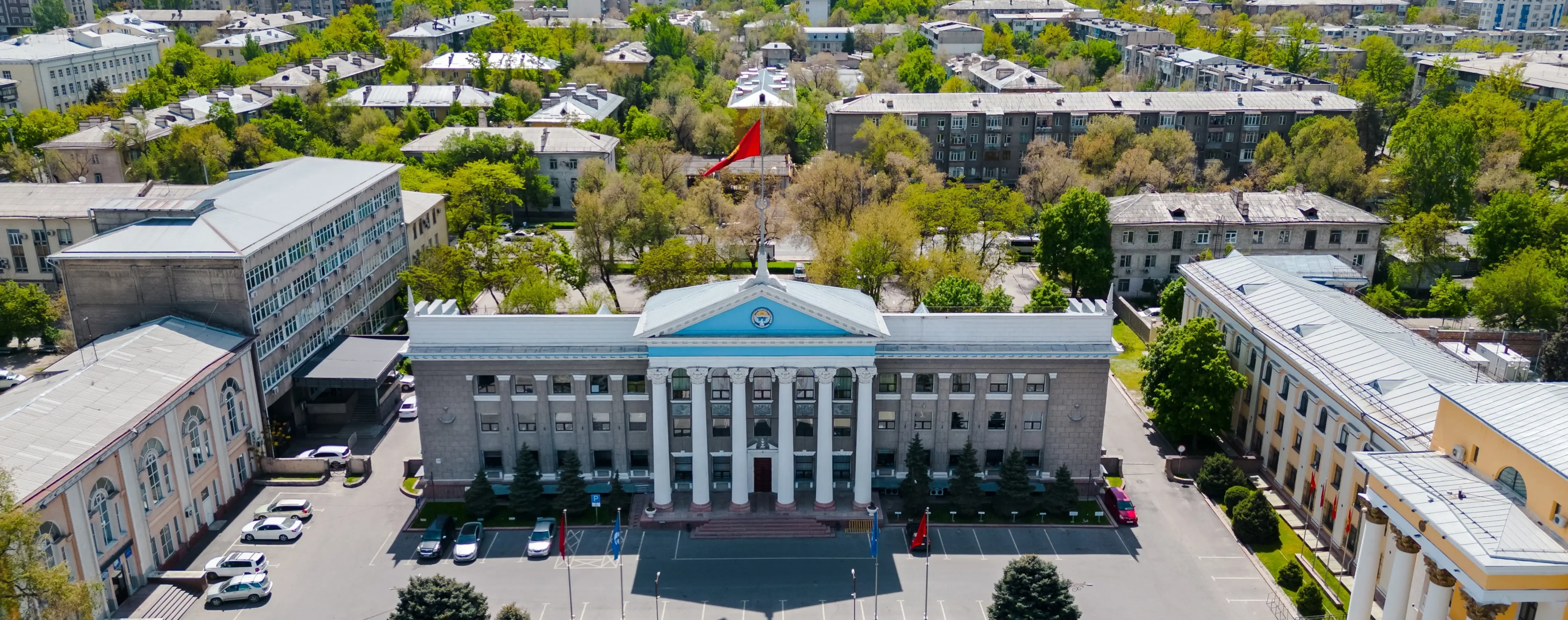
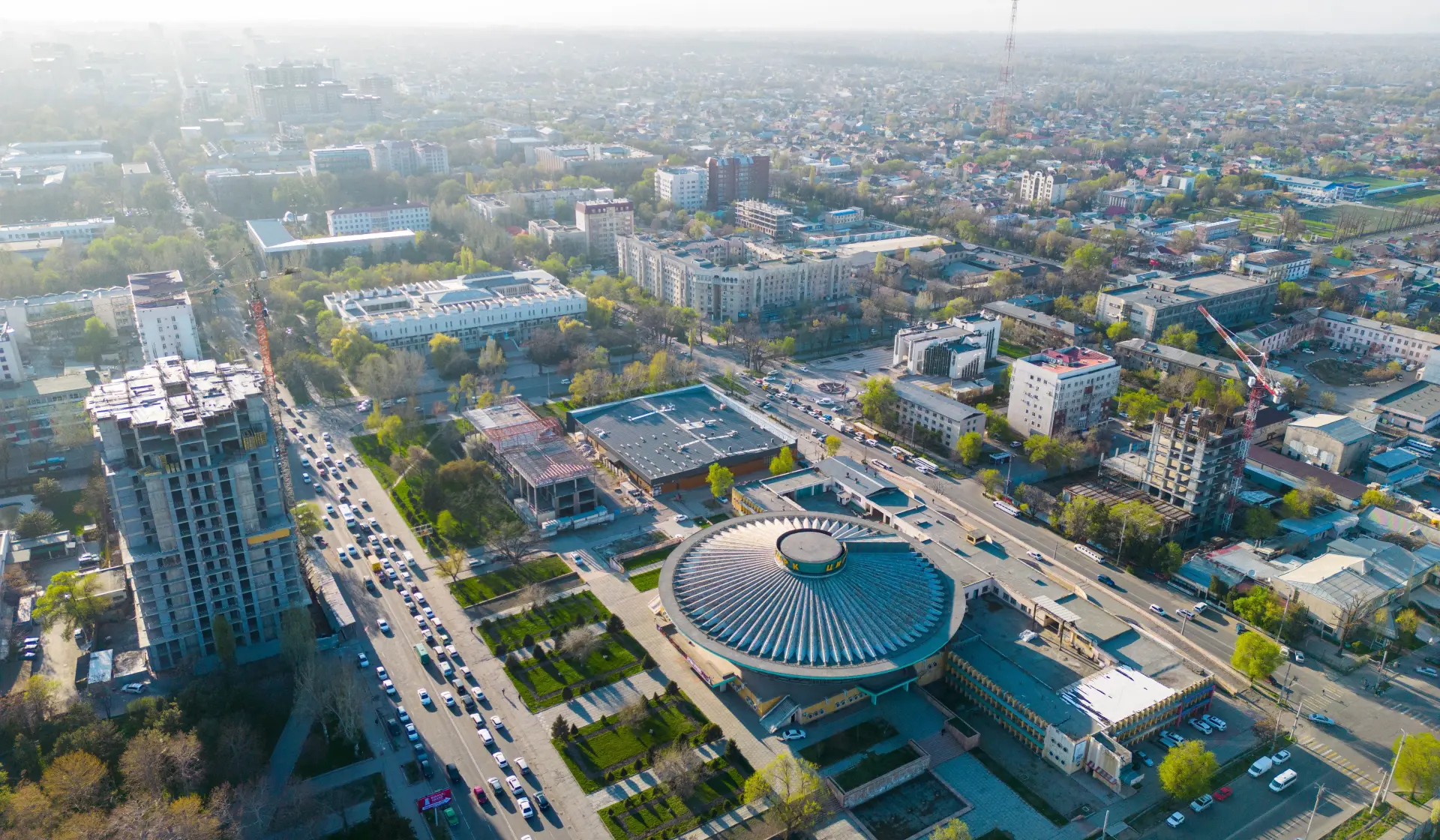
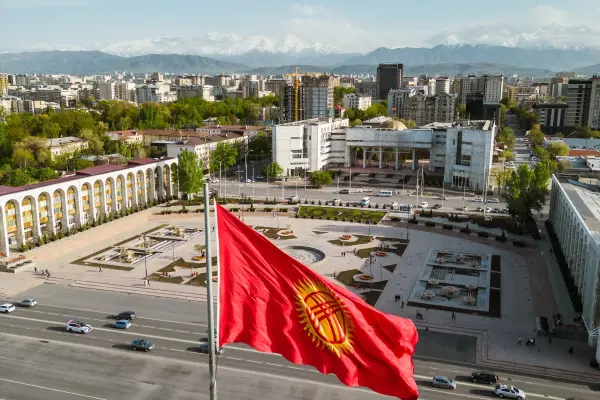
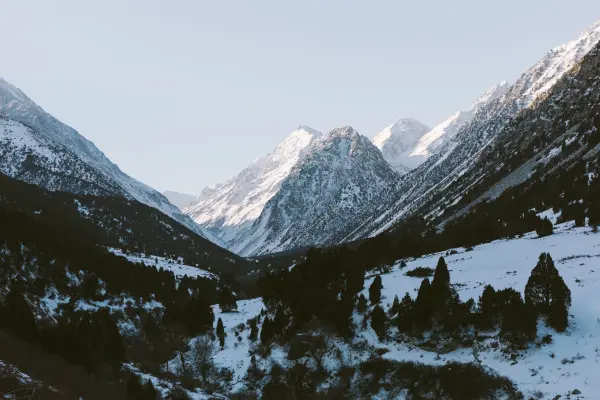
Capital Bishkek is the administrative and largest urban center of Kyrgyzstan, located in the north of the country in the Chuy Valley at the foot of the Kyrgyz Ala-Too range. The region occupies a key position between the valley’s flat lowlands and the mountain areas, so the city combines wide avenues, park spaces, and views of snow-capped ridges. Bishkek serves as the country’s main political, business, educational, and cultural center.
The modern city developed on the site of the Pishpek fortress, founded in the 19th century, and in the Soviet period it grew into a major administrative and industrial center under the name Frunze. This historical layer is still visible in the street layout, public buildings, and the network of spacious squares and boulevards. Today, Bishkek brings together Soviet-era architectural heritage, modern urban spaces, and traditional elements of Kyrgyz culture.
The landscape of the capital region is convenient for trips and walks: the central part of the city lies on relatively flat ground, while the southern districts are closer to the foothills and offer views of the mountain chain. Thanks to its well-developed greenery, Bishkek is known as one of the greenest cities in the region. For tourists, this means easy access to parks, tree-lined avenues, and open public spaces within the city without having to travel far from the center.
The climate is sharply continental: summers are usually hot and dry, while winters are relatively cold, with occasional snowfall. The most comfortable seasons to visit are spring and autumn, when temperatures are better suited to sightseeing, city walks, and trips into the foothills. In summer, Bishkek works well as a base for combining urban sightseeing with short trips to cooler mountain areas.
Within the capital region, the main and effectively central city is Bishkek, divided into several administrative districts, including Pervomaysky, Sverdlovsky, Oktyabrsky, and Leninsky. For travelers, the central neighborhoods with museums, theaters, and squares are especially important, as well as the southern part of the city, which is convenient for heading toward nature routes. Nearby are popular excursion areas in the direction of Ala-Archa and the foothill gorges that are connected to the capital by both transport and geography.
Capital Bishkek is known for its museums, theaters, monuments, markets, city cuisine, and proximity to the mountains. It is a popular destination for cultural trips, family city breaks, food-focused routes, and active tourism with short nature excursions. The region is ideal for those who want to combine an introduction to Kyrgyzstan’s history, city life, and accessible natural attractions in one trip.
Capital Bishkek on the map
Fascinating cities for travel, tours, and sightseeing
History, Museums, Parks, and Mountain Routes in Bishkek
Urban culture at the foot of the mountains
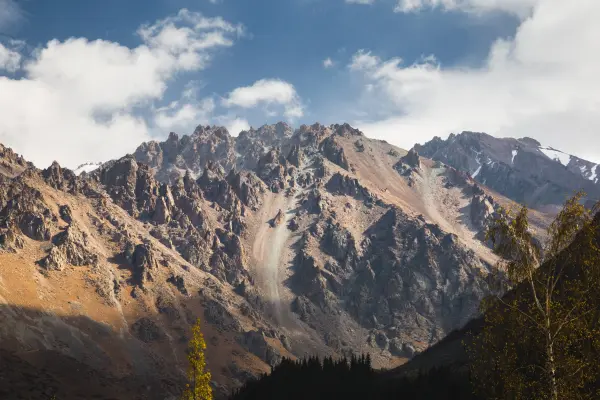
Capital Bishkek and the Mountains of the Kyrgyz Ala-Too
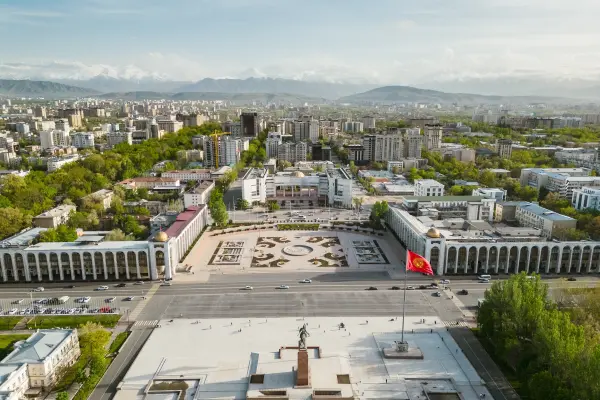
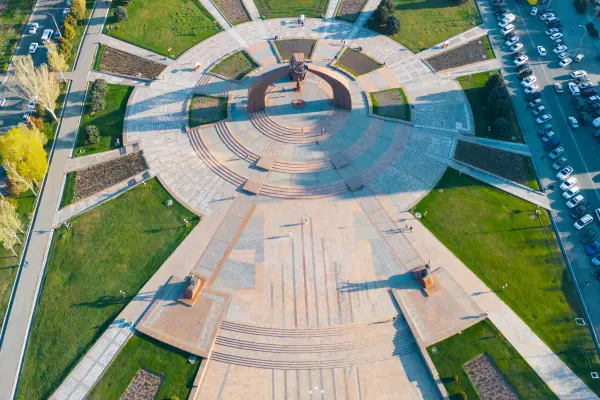
The main sights of Bishkek are concentrated in the city center. These include Ala-Too Square, the State Historical Museum, the Kyrgyz National Museum of Fine Arts named after Gapar Aitiev, the Opera and Ballet Theatre, the Philharmonic Hall, and major city parks. These places offer a good introduction to the country’s history, the Soviet period, modern art, and everyday urban culture. There are no UNESCO World Heritage sites in Bishkek itself, but the capital is often the starting point for trips to other regions of Kyrgyzstan.
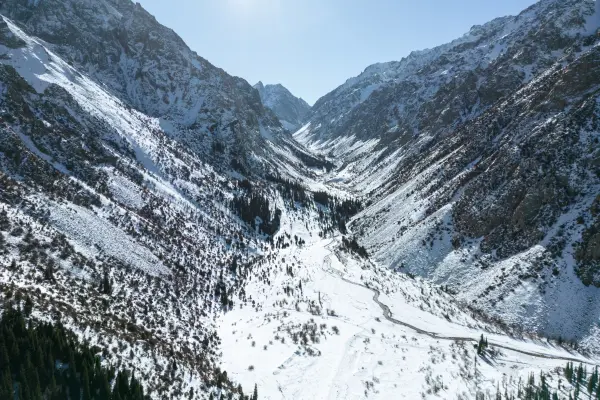
Among natural destinations, Ala-Archa National Park, located about 40 kilometers south of the city, is especially well known. It is suitable for walks, day hikes, and experiencing the mountain landscapes of the Tian Shan without a long transfer. In the warmer months, foothill routes, viewpoints, and recreation areas south of the city limits are also popular, while in winter some travelers combine a stay in Bishkek with trips to ski bases in the surrounding area.
The cultural life of the capital is tied to concert venues, theater seasons, city exhibitions, and folk celebrations. During national and seasonal events, concerts, fairs, and public programs take place in the central squares, where visitors can see elements of Kyrgyz traditions, crafts, and national music. For a more everyday look at local life, many travelers visit the large markets, including Osh Bazaar, where you can find produce, spices, textiles, and everyday goods.
It is easy to get acquainted with Kyrgyz cuisine in Bishkek: meat, dough, and fermented dairy products are widely represented, along with tea traditions. Menus in cafes and restaurants often include beshbarmak, lagman, manti, samsa, and pilaf. In the city, traditional food sits alongside modern dining options, so tourists can choose between national restaurants and more general everyday eateries.
Capital Bishkek is the country’s main transport hub: it is linked by road to all regions of Kyrgyzstan, and Manas International Airport is located about 25 kilometers from the city center. Getting around is easy by taxi, bus, or minibus, making the capital a practical base for sightseeing and onward travel.
Popular Locations of the Region
Fascinating places for excursions and travel
Best tours and travel experiences across the continent

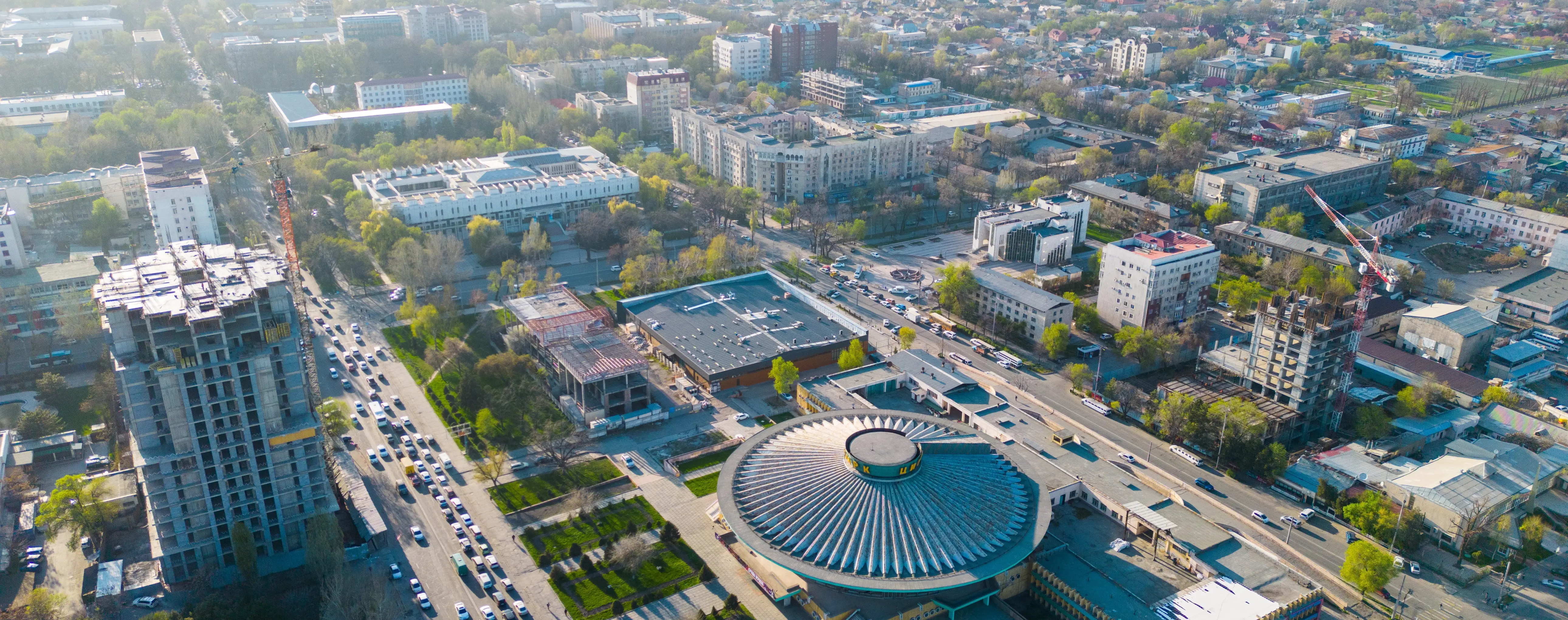
Photos of Bishkek
Guided tours, popular attractions, and top-rated hotels across the continent


