
Ulus Travel Guide
Ulus, Ankara
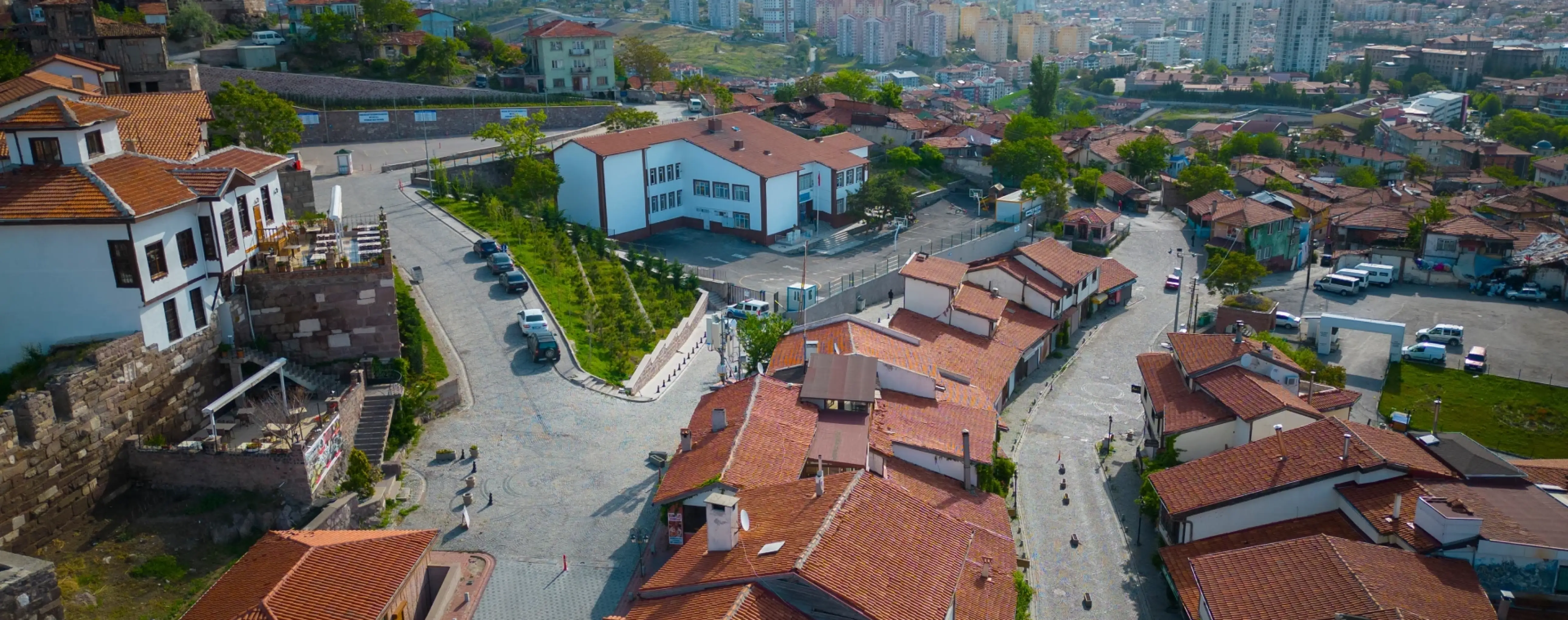
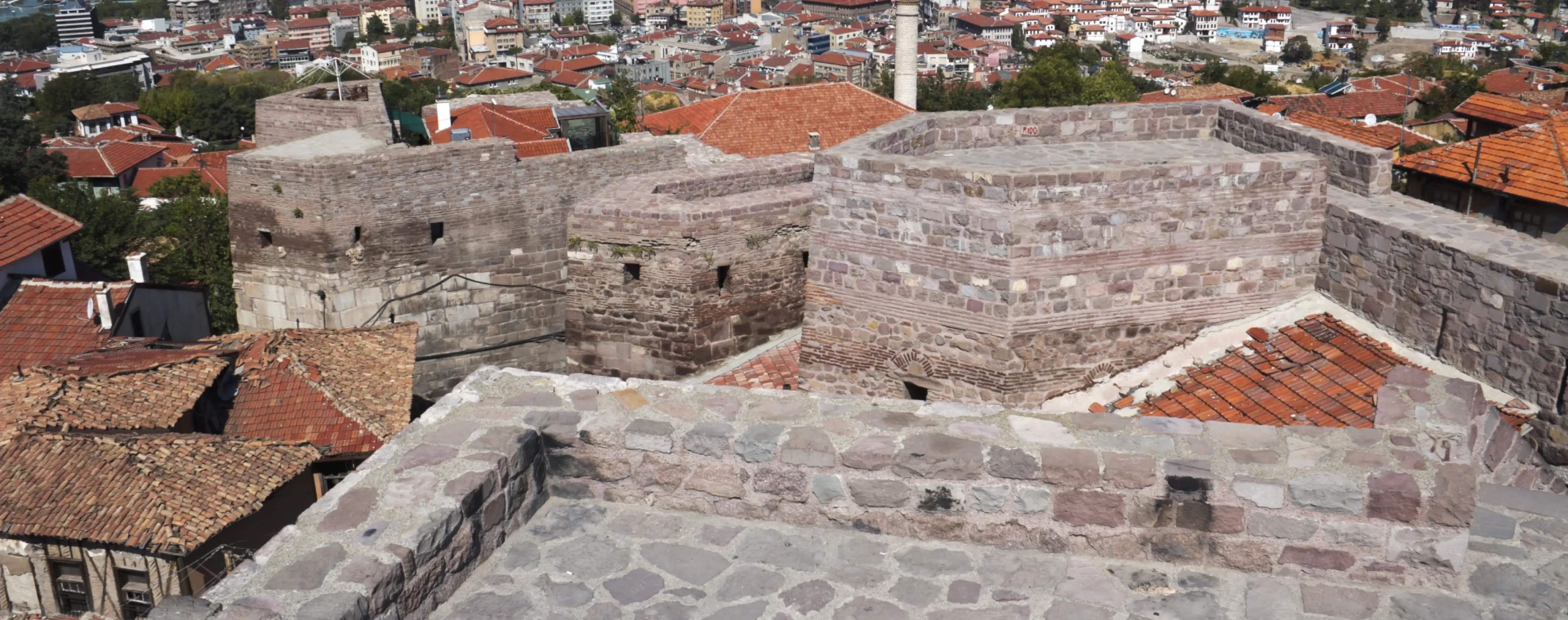
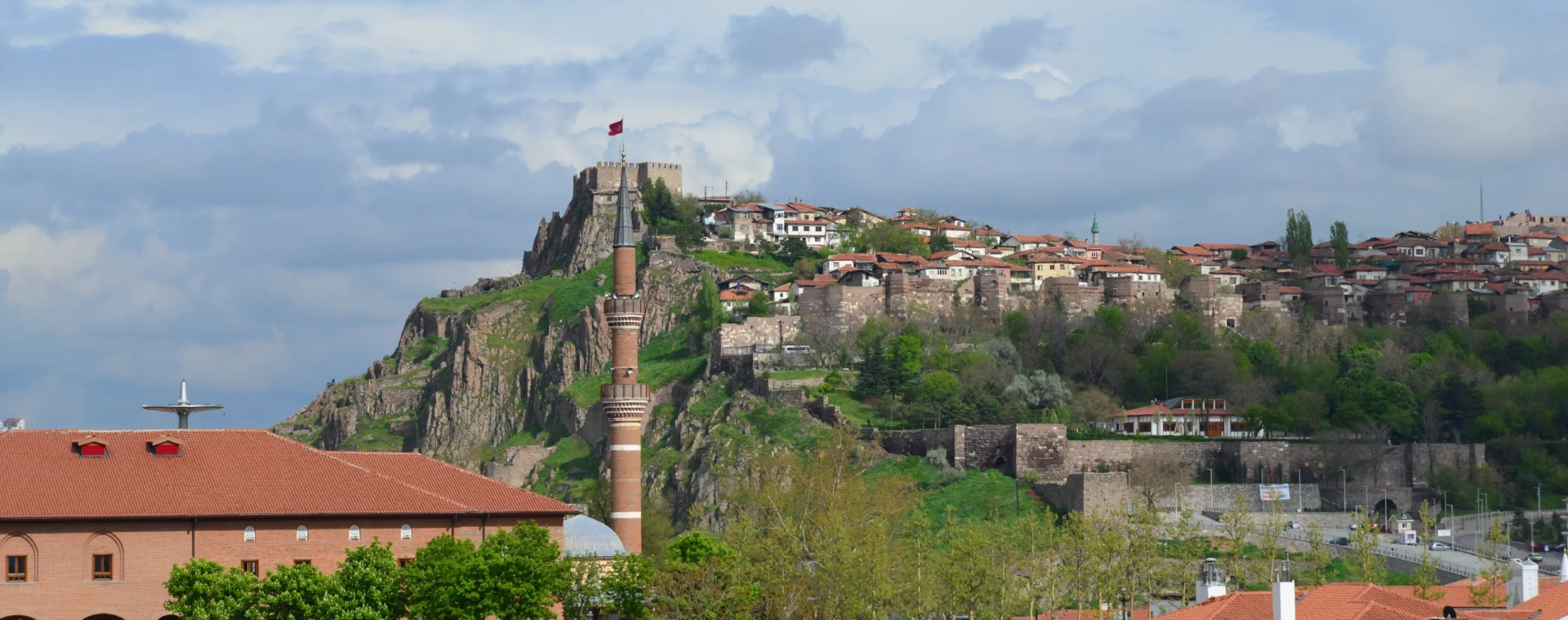
Ulus is the historic heart of Ankara in Central Anatolia, Turkey. Centered on Ulus Square, it has long served as a civic and transport hub. Set below Ankara Castle, it is a practical base for exploring the oldest central parts of the capital.
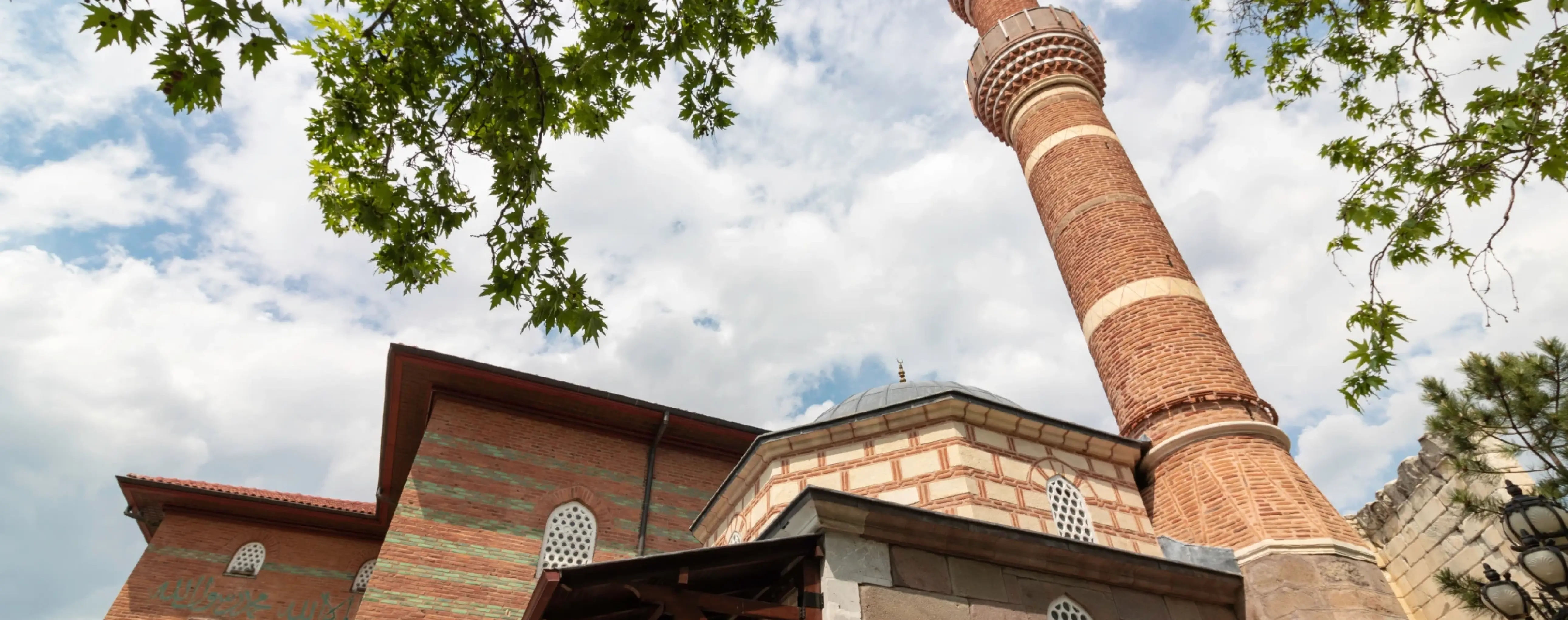
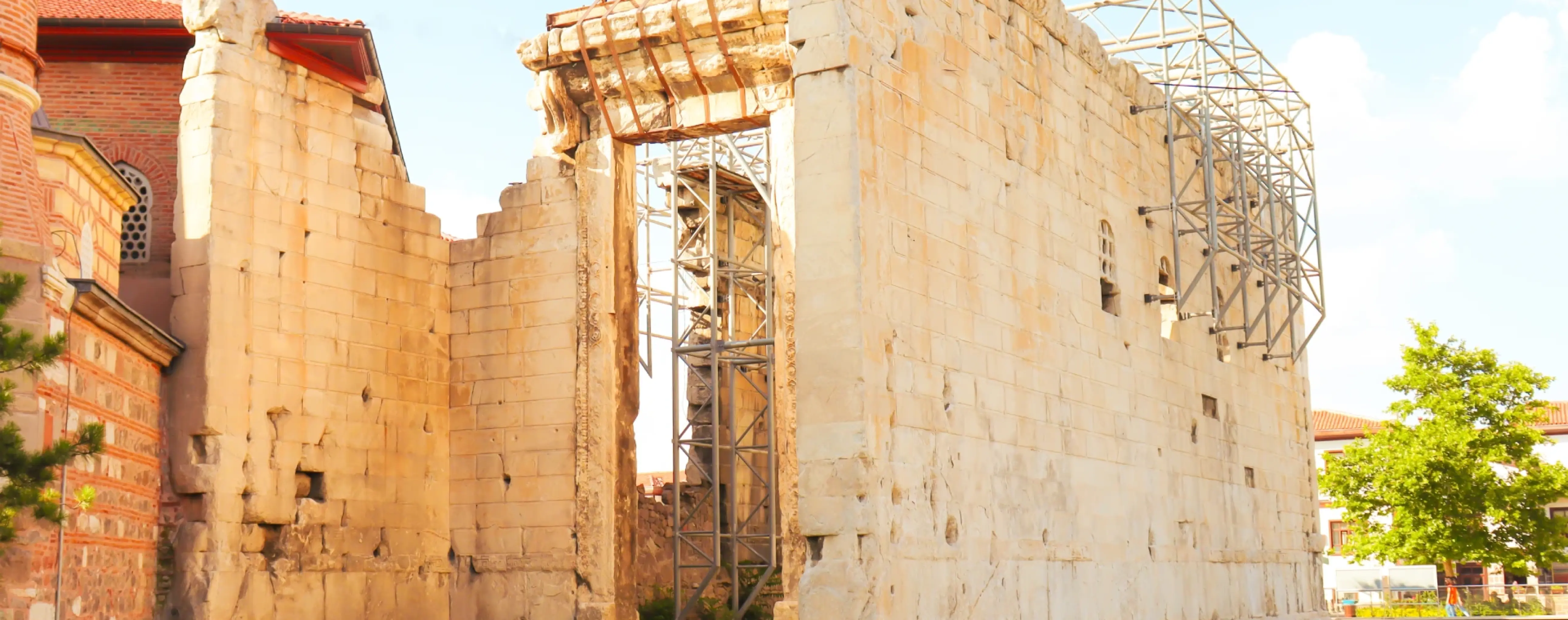
Ulus is one of Ankara's main sightseeing areas and a natural starting point for understanding the city's history and development as the capital. Visitors come for the Museum of Anatolian Civilizations, Ankara Castle, Haci Bayram Mosque, the Temple of Augustus and Rome, and the War of Independence Museum. Roman, Ottoman, and early Republican layers of Ankara come together here in a compact area, making it well suited to a short culture-focused stop explored on foot.
Ulus is one of the easiest parts of Ankara to reach by metro, bus, and taxi. Ulus Square is a main arrival point, and walking is the easiest way to move between the district's museums, religious landmarks, and castle routes. Streets become steeper toward the castle, so getting around is straightforward in the center but more demanding uphill.
Ulus on the map
Ulus: Attractions, interesting places for excursions
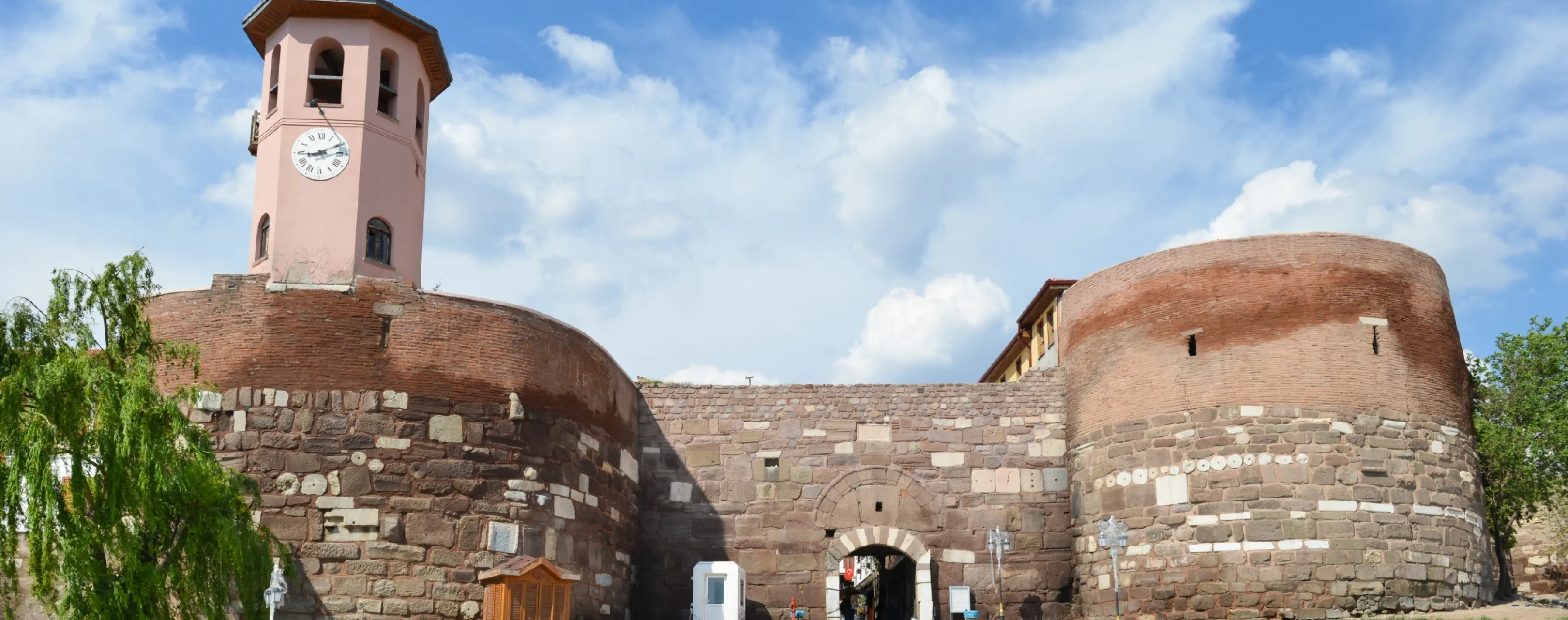
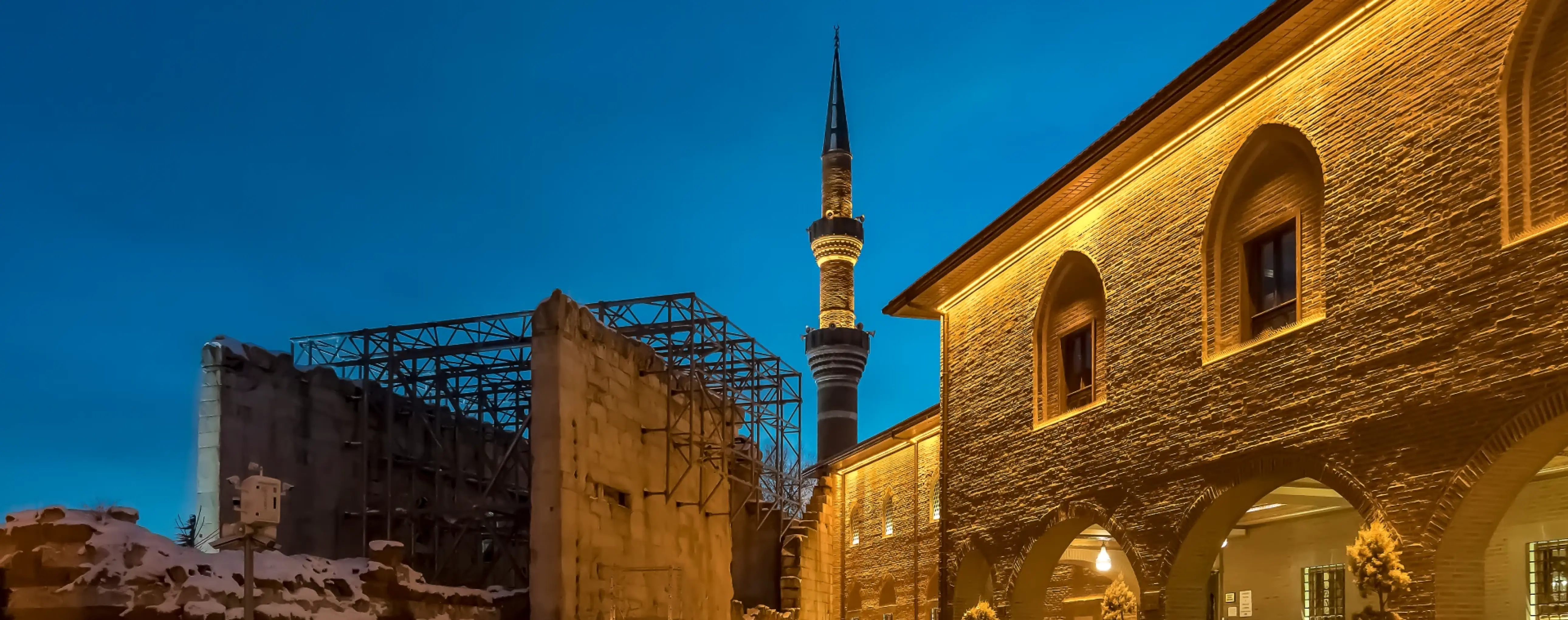
Ankara Castle, Residential Quarter in Ankara Castle, Clock Tower of Ankara Castle, Haci Bayram Mosque


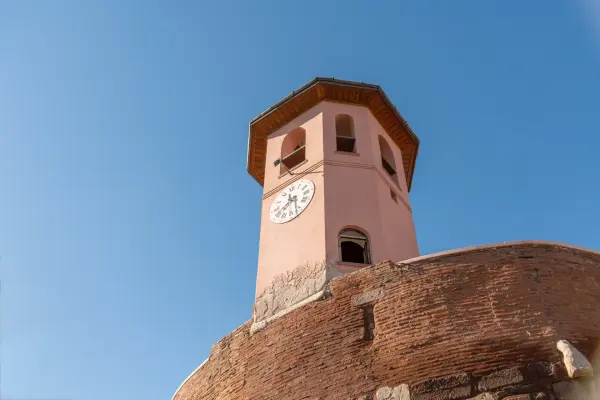
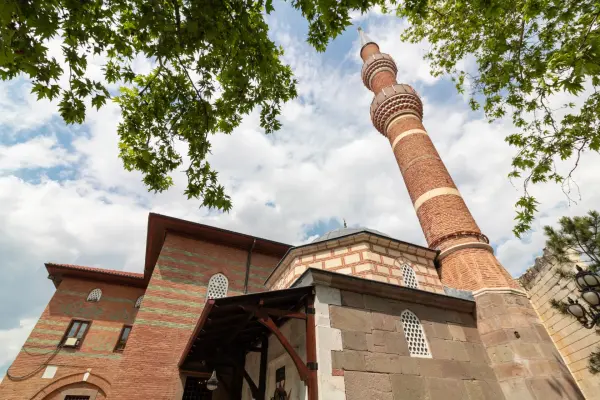
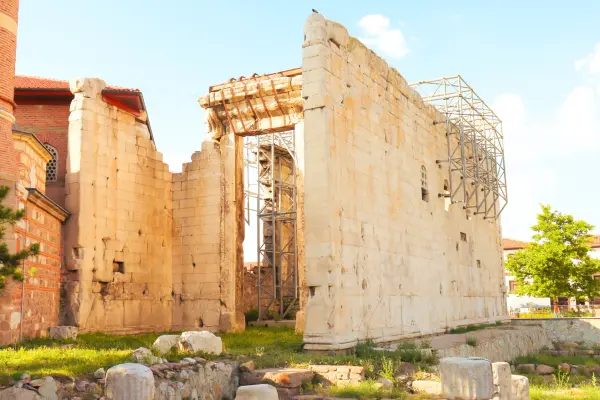
Ulus attractions and historic sites
Castle lanes, mosque courtyards, and market streets below the old walls
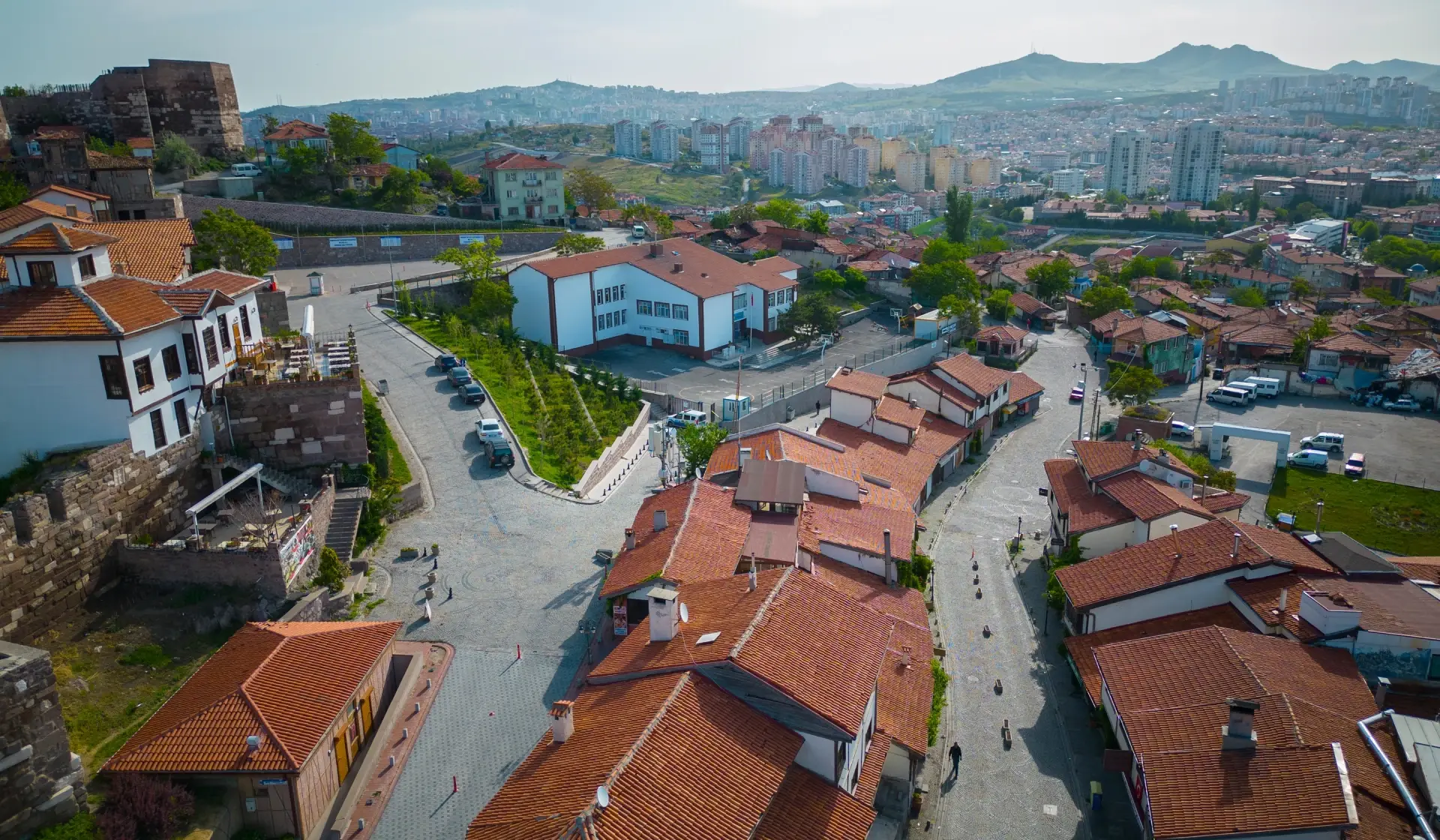
Main sights in Ulus
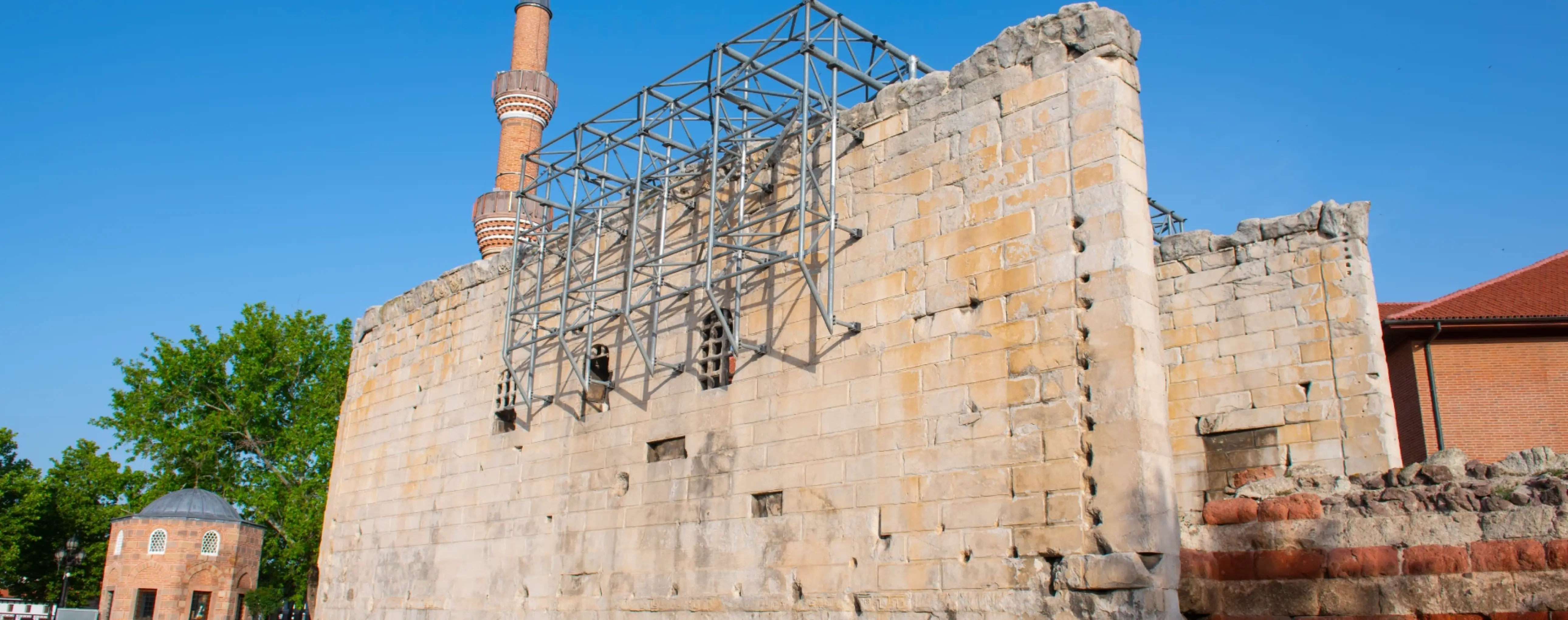
Ulus's main attractions are concentrated around its historic core. Ankara Castle rises above the district and is one of its defining landmarks. Nearby, the Museum of Anatolian Civilizations is one of Turkey's leading archaeology museums. Haci Bayram Mosque is a major religious site, and the Temple of Augustus and Rome stands beside it as an important Roman-era monument. Ulus also includes the War of Independence Museum in the former first Grand National Assembly building, making the district one of the key places to visit for understanding Ankara's historical development.
The district has a compact but busy layout centered on Ulus Square and the streets leading toward the castle and major monuments. Walking is the main way to explore, and many visitors combine museums, religious sites, and castle viewpoints in a single trip. Ulus is active during the day with commuters, shoppers, worshippers, and museum visitors. Its character feels more traditional and historic than Ankara's newer commercial districts, though some routes become steep as the ground rises toward the castle.
Beyond the main monuments, visitors spend time in casual local eateries and along the district's market streets. Food options are mostly budget-friendly Turkish places rather than destination dining. Shopping centers on everyday retail, small shops, and market streets rather than modern malls. Ulus remains active as a working part of the city during the day, while the evening atmosphere is more limited and not focused on nightlife.
District overview – facts & data for travelers
Best tours and travel experiences across the continent





Ulus photos
Guided tours, popular attractions, and top-rated hotels across the continent