Tashkent Uzbekistan travel guide to Khast Imam
Tashkent, Uzbekistan
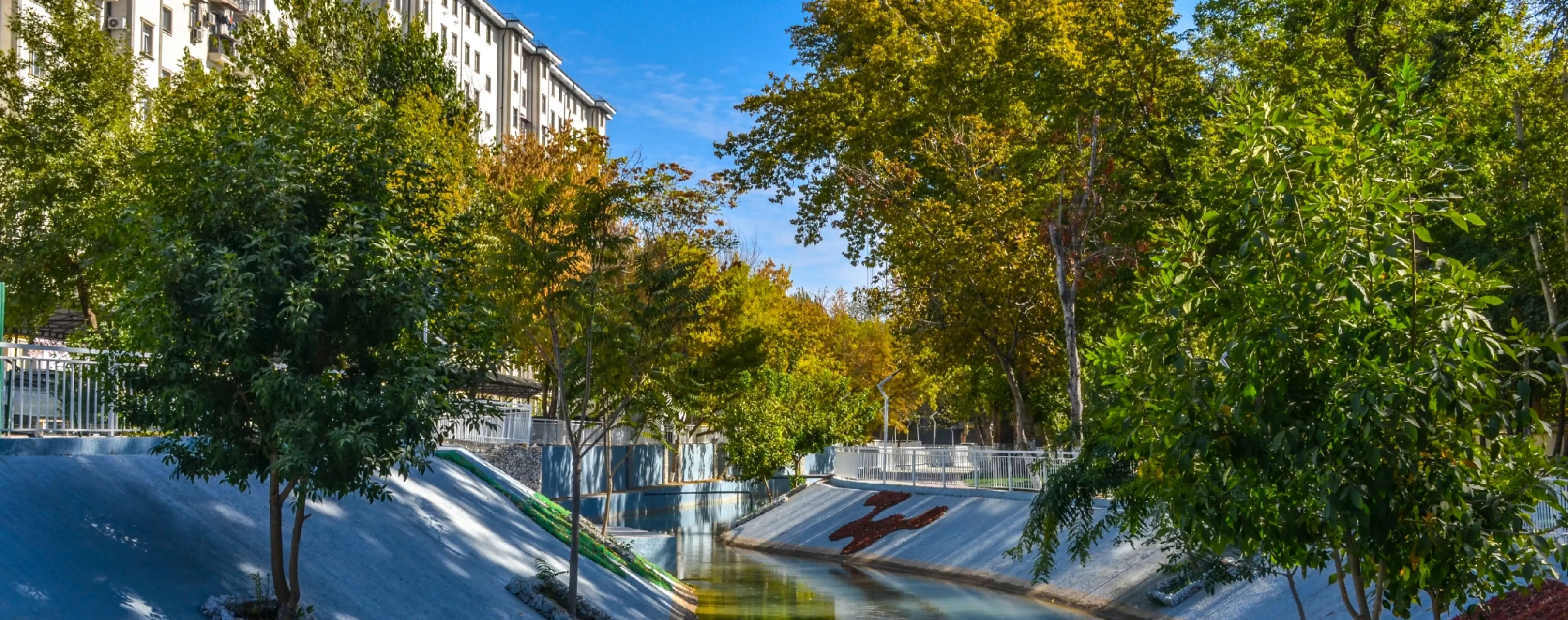
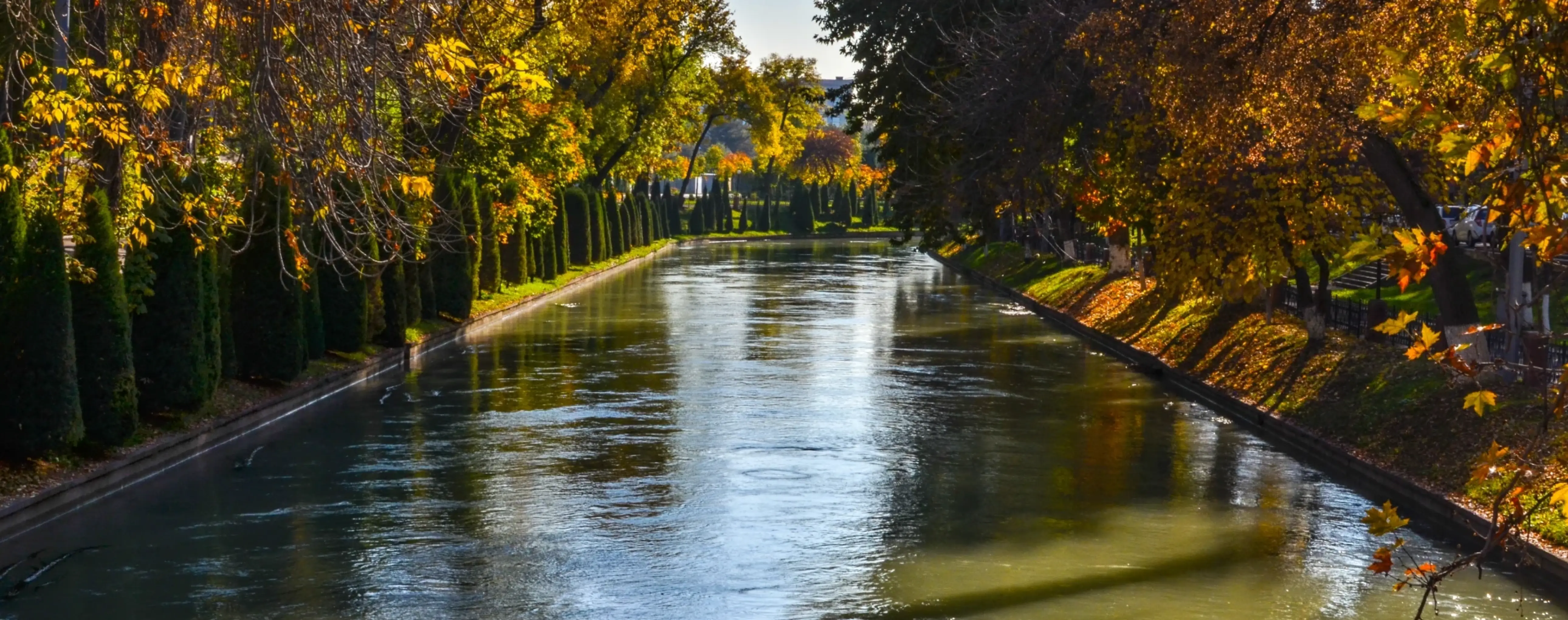
Tashkent lies in Capital Tashkent, Uzbekistan, in the country's northeast near the Kazakhstan border. It is an inland city set on the plain of the Chirchiq River basin, and the terrain is generally flat.
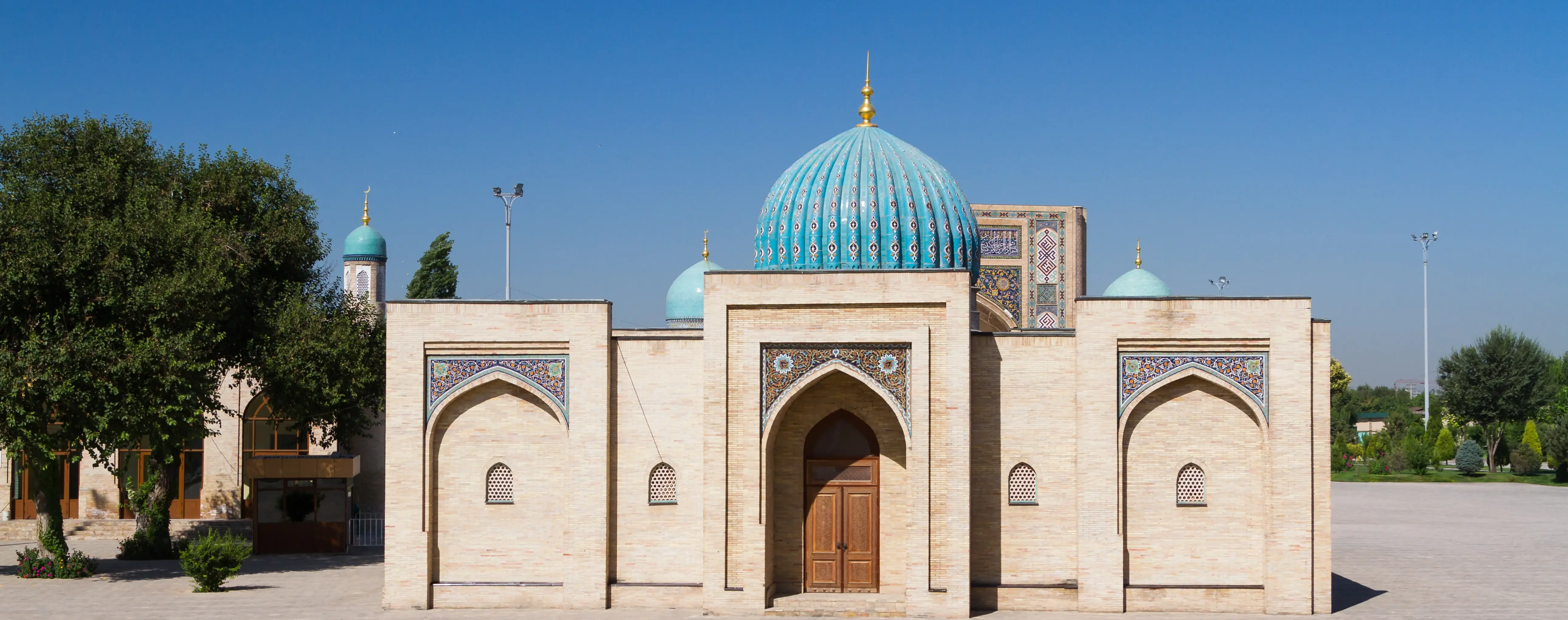
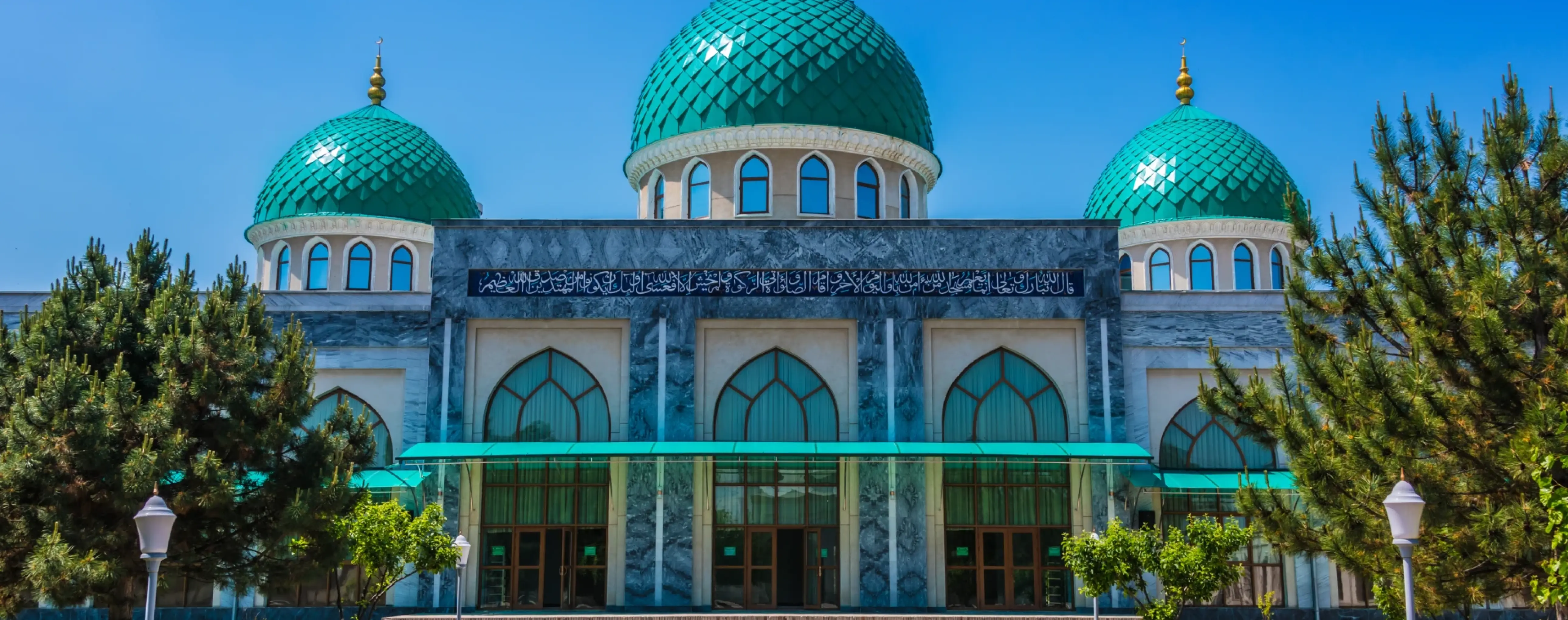
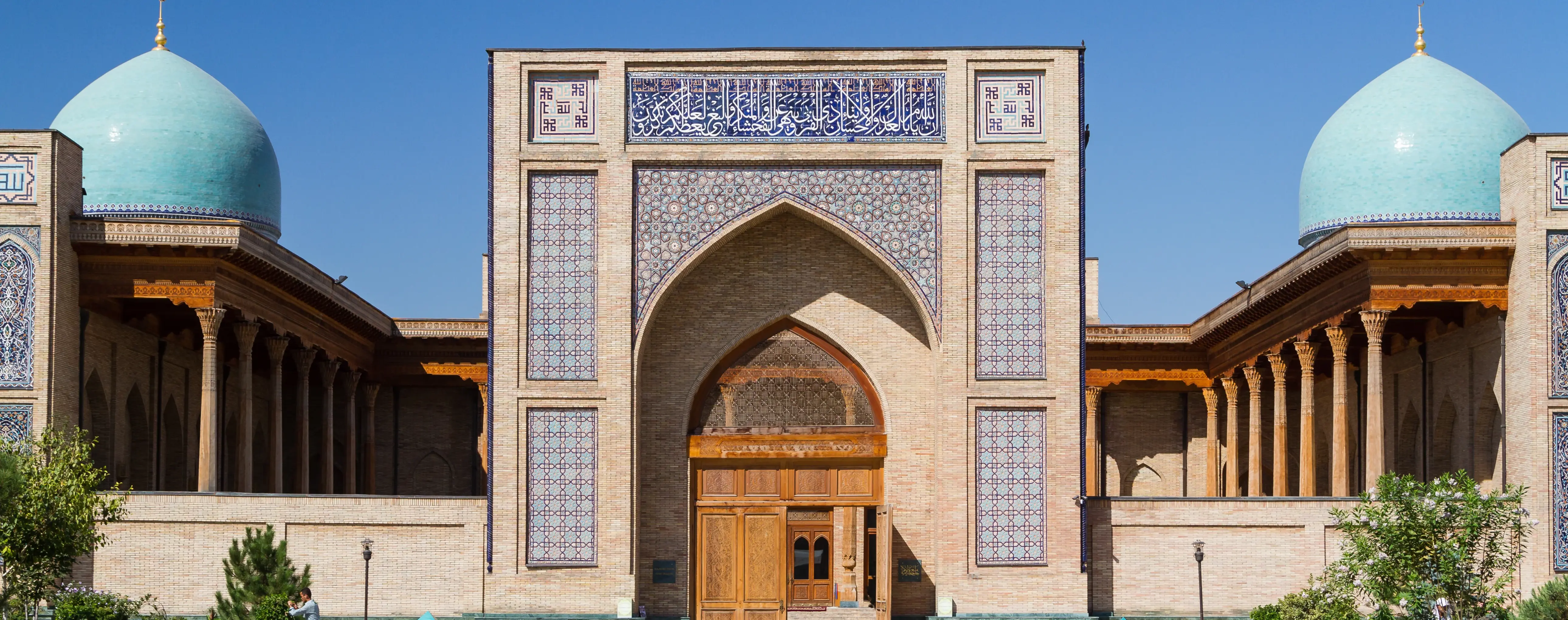
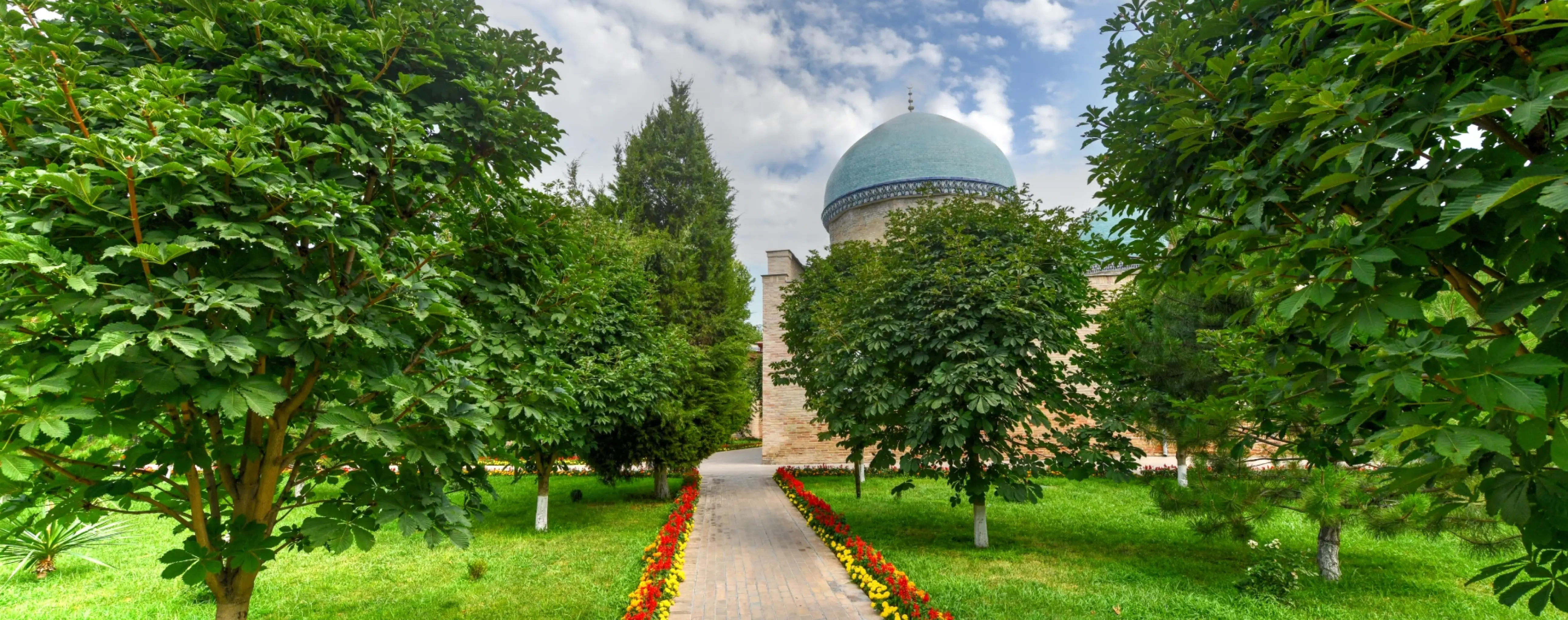
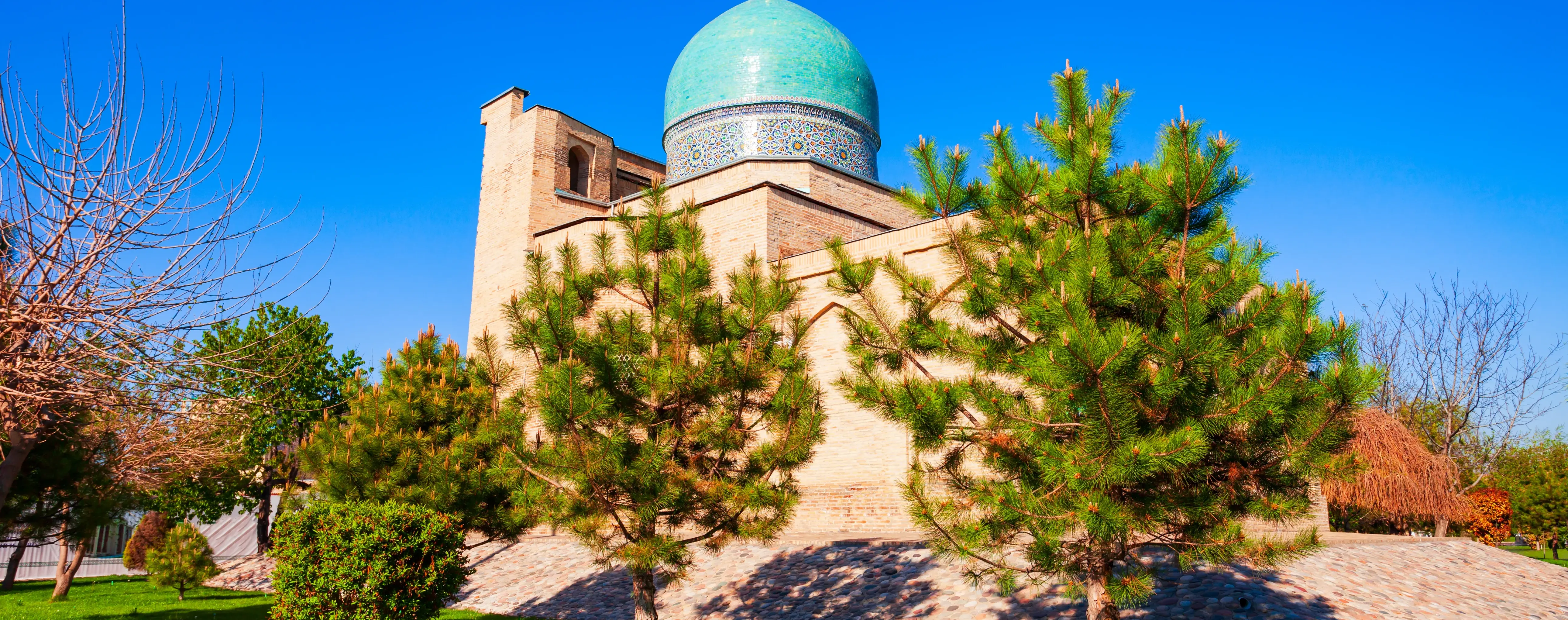
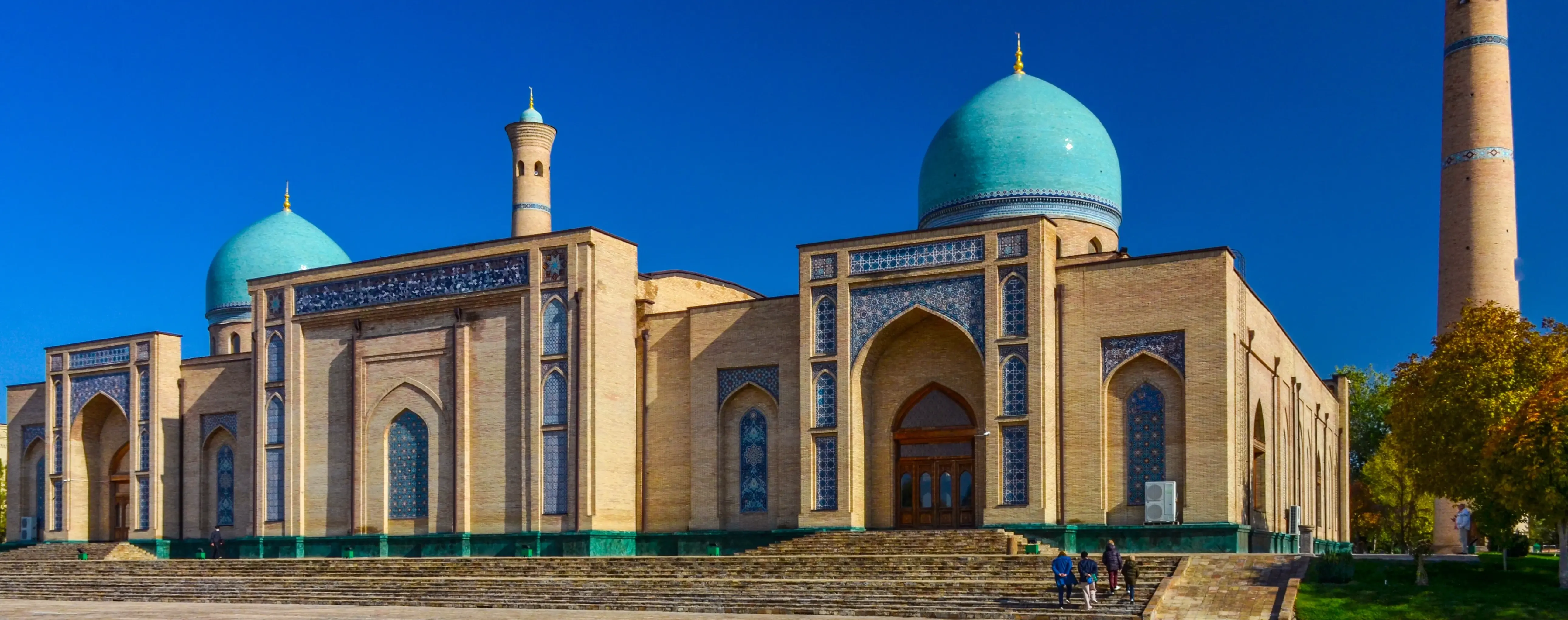
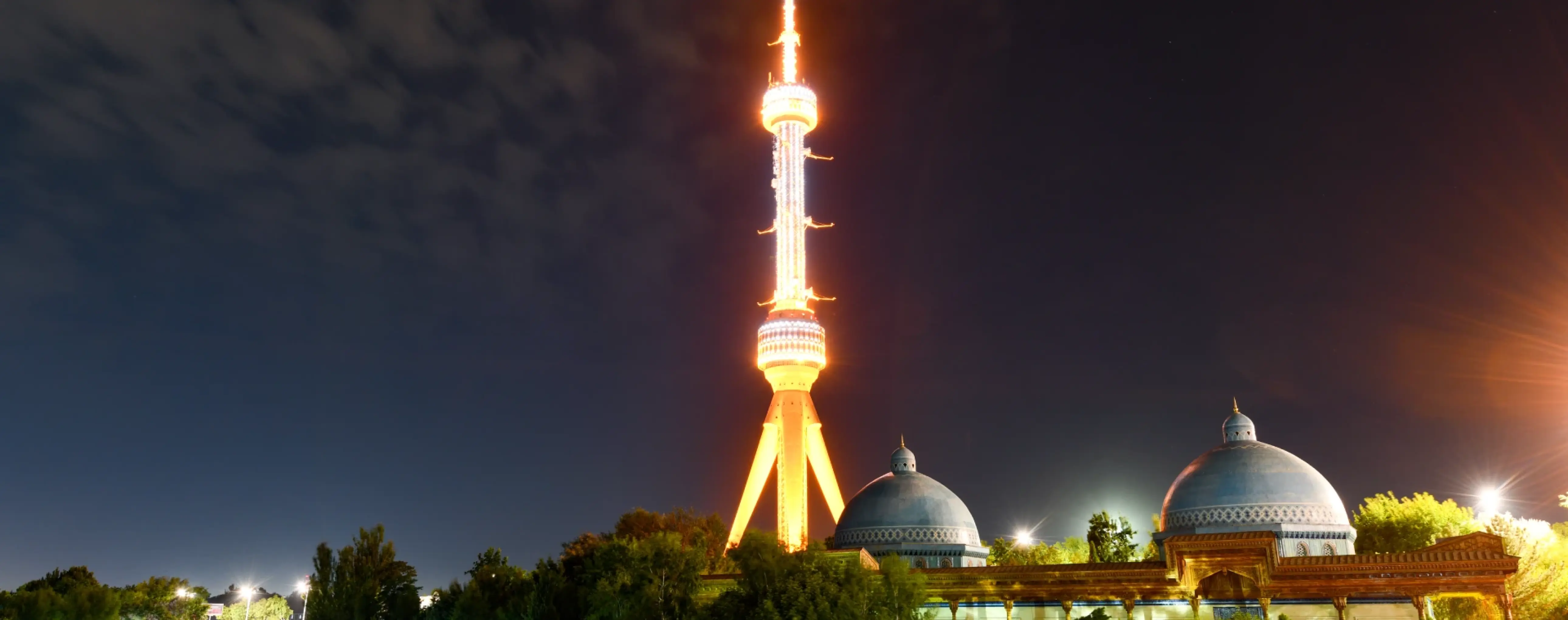
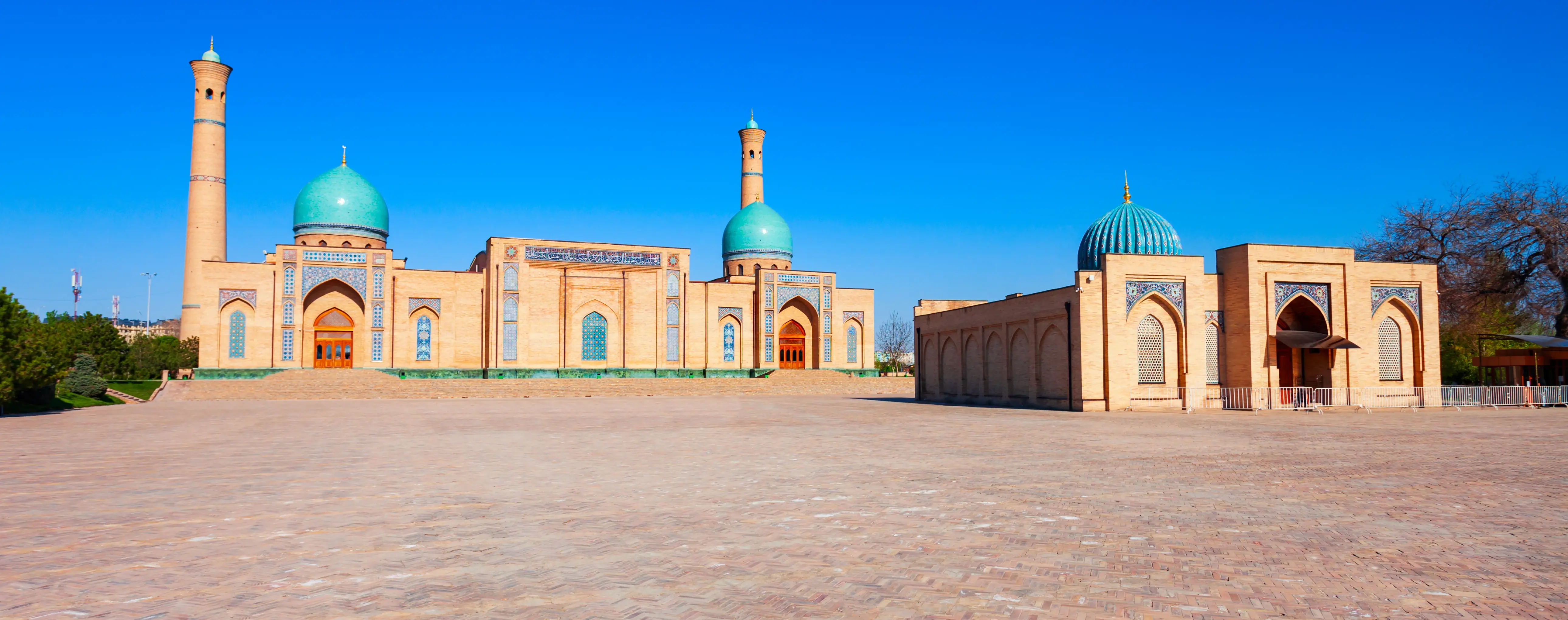
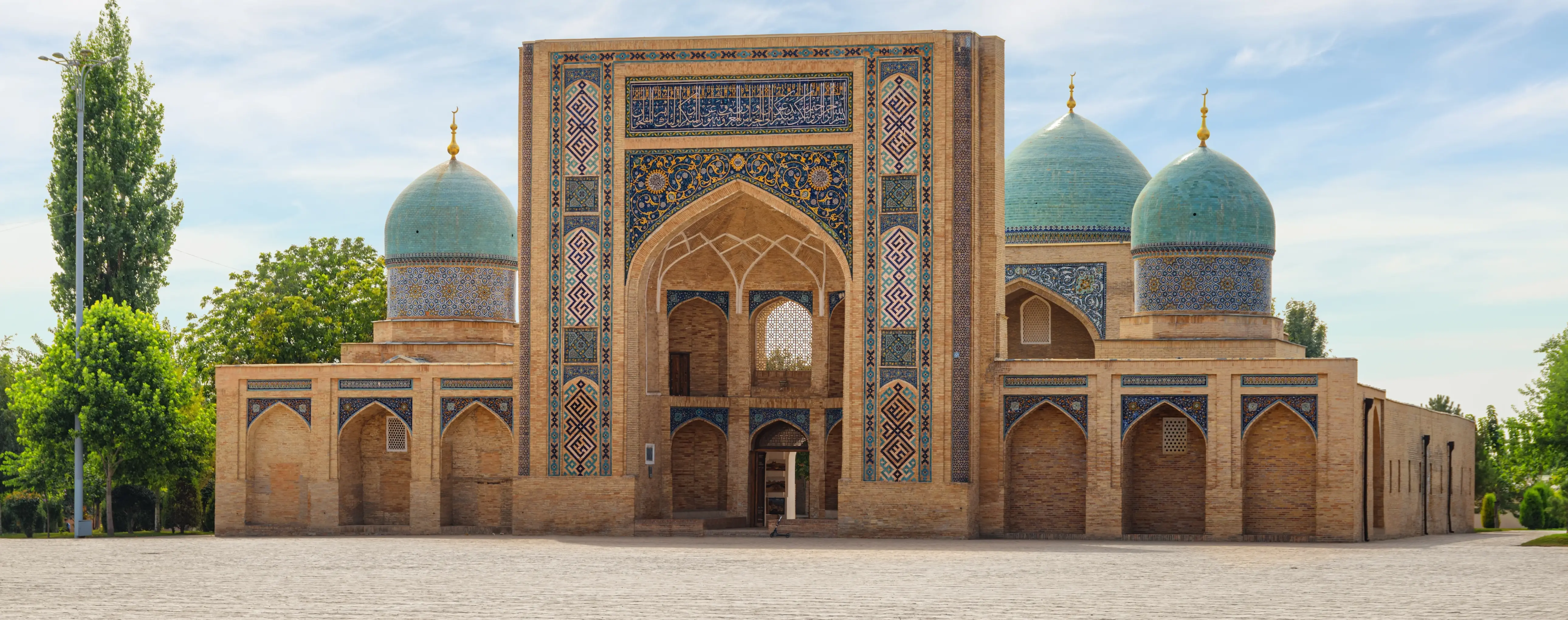
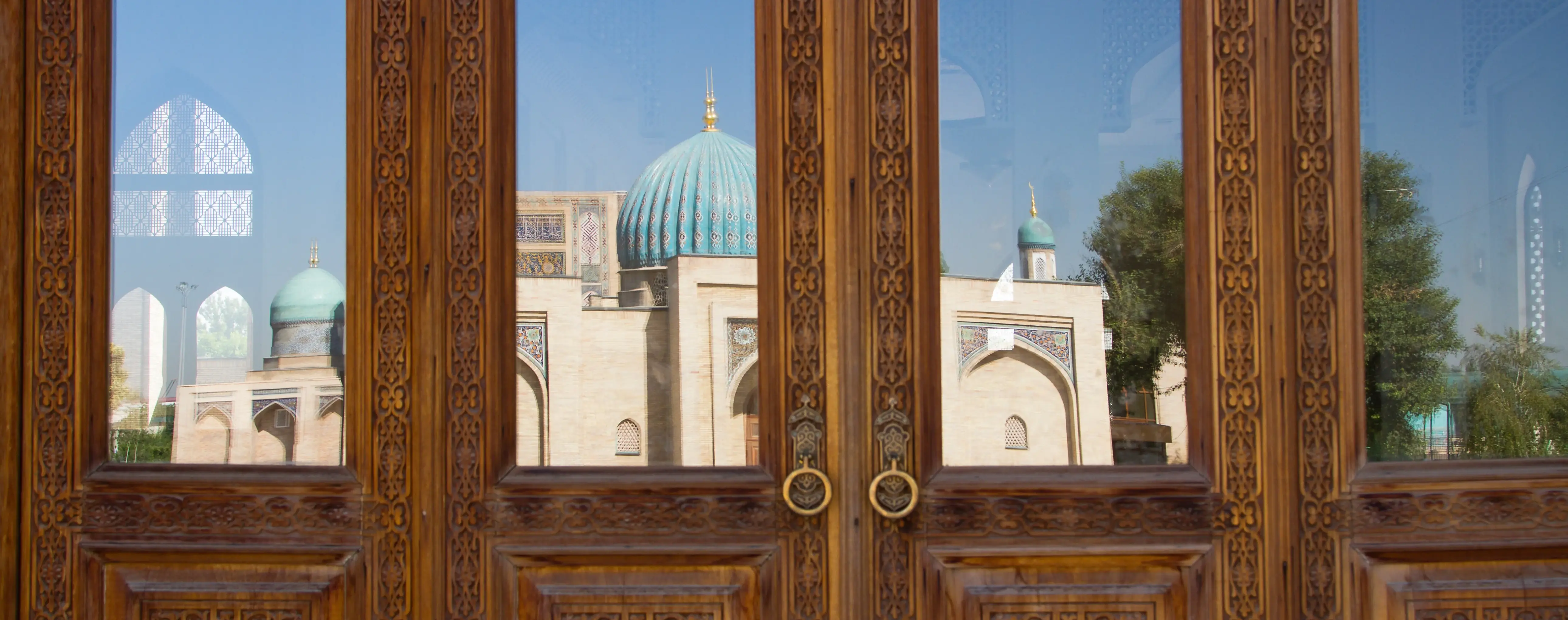
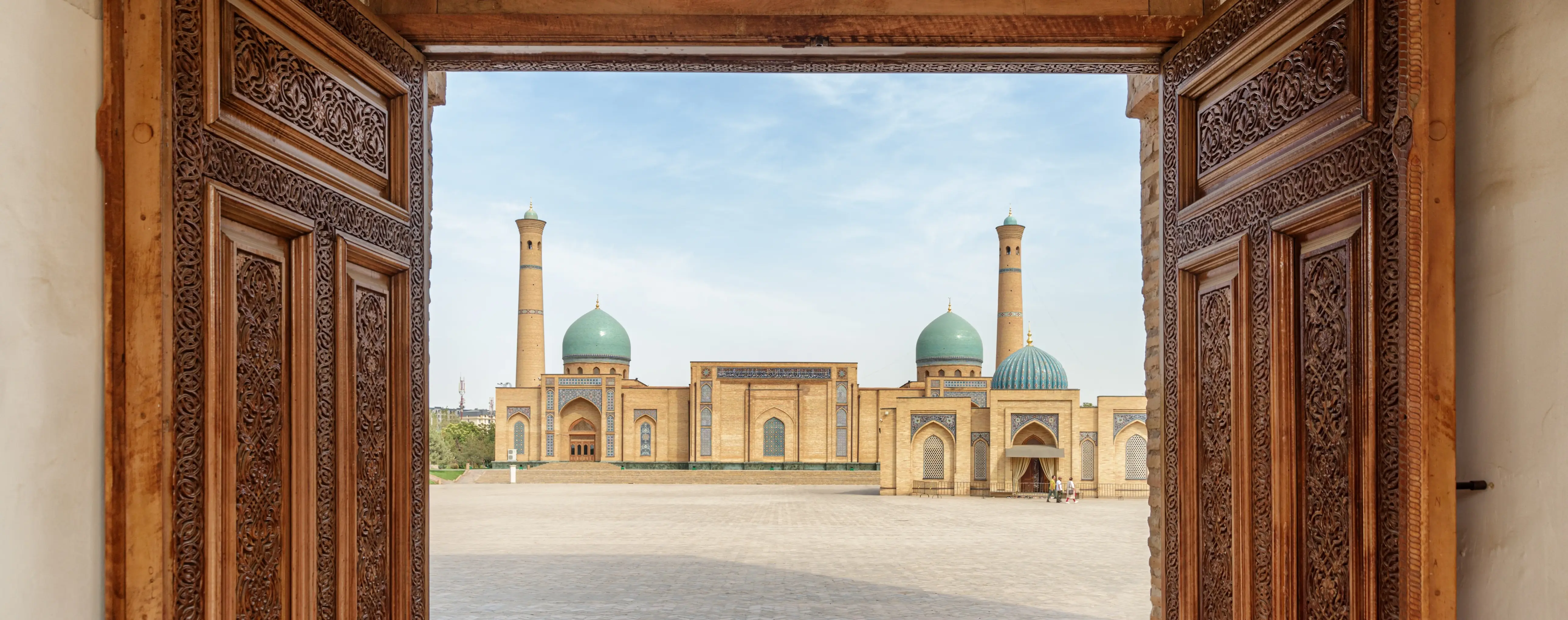
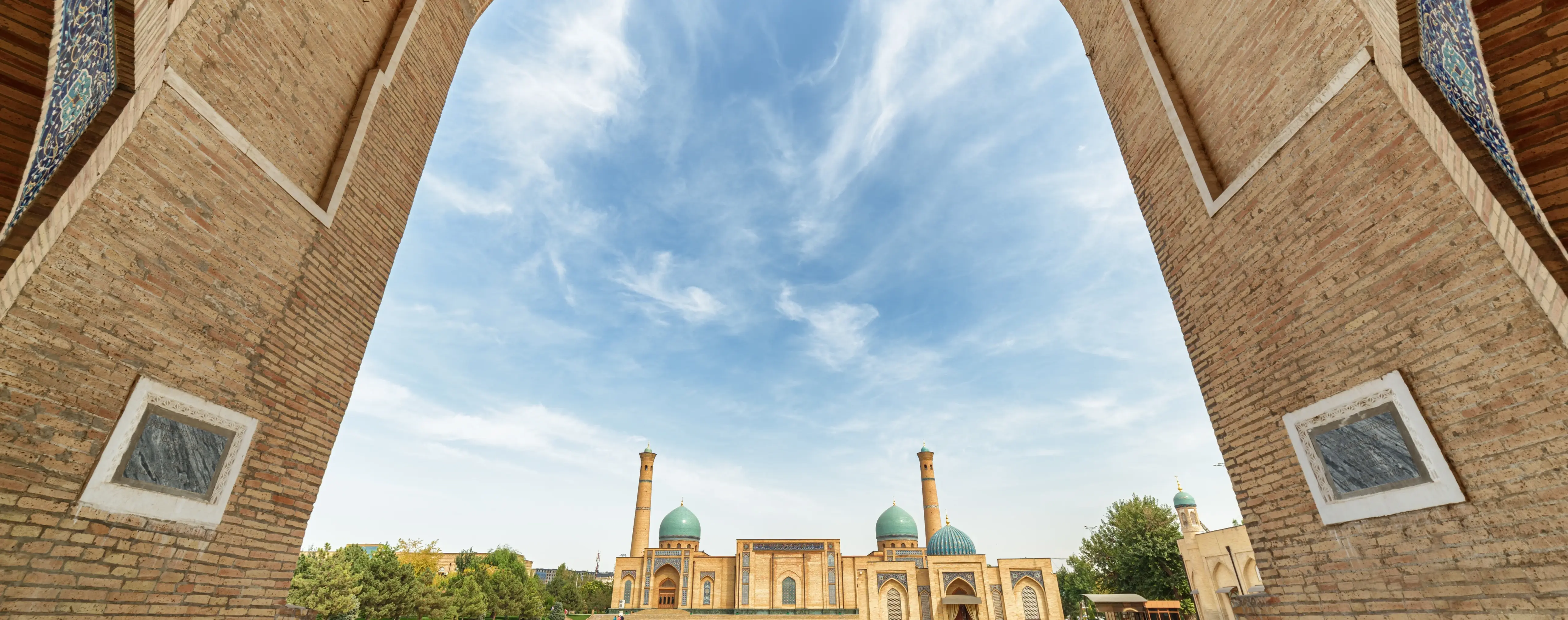
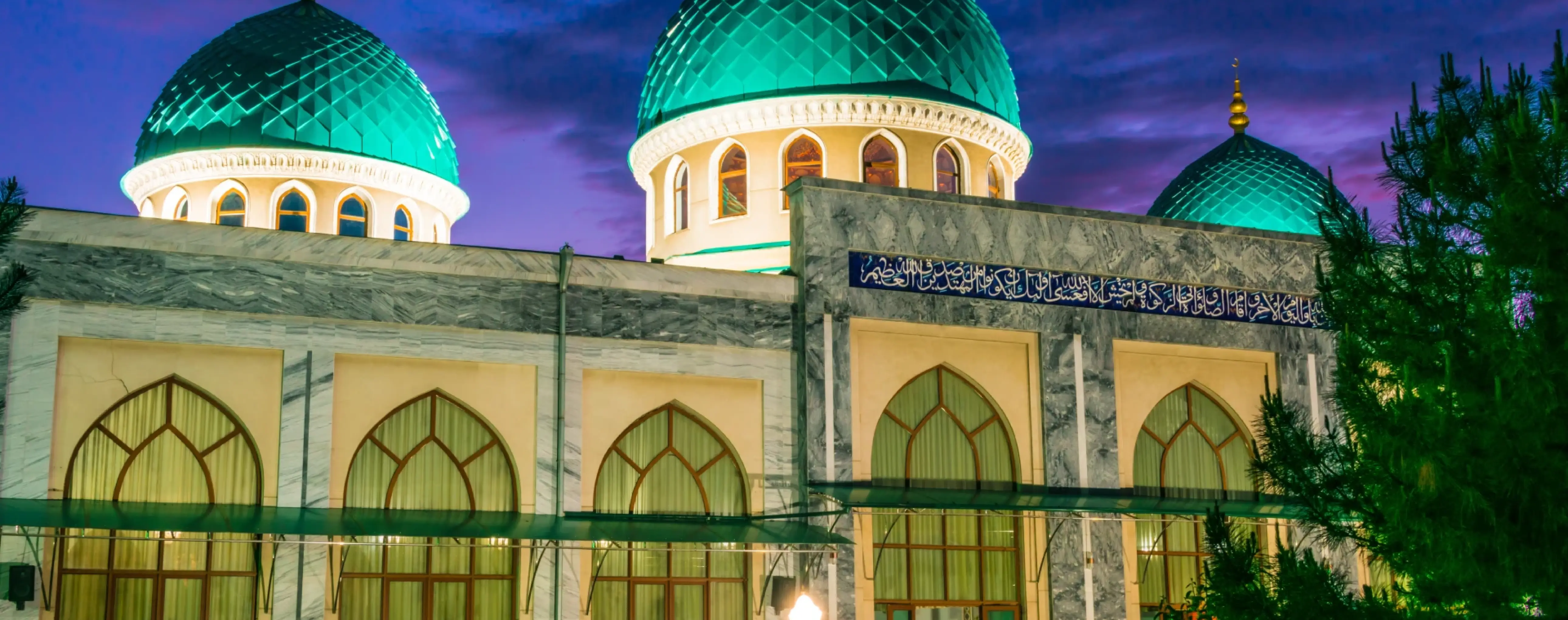
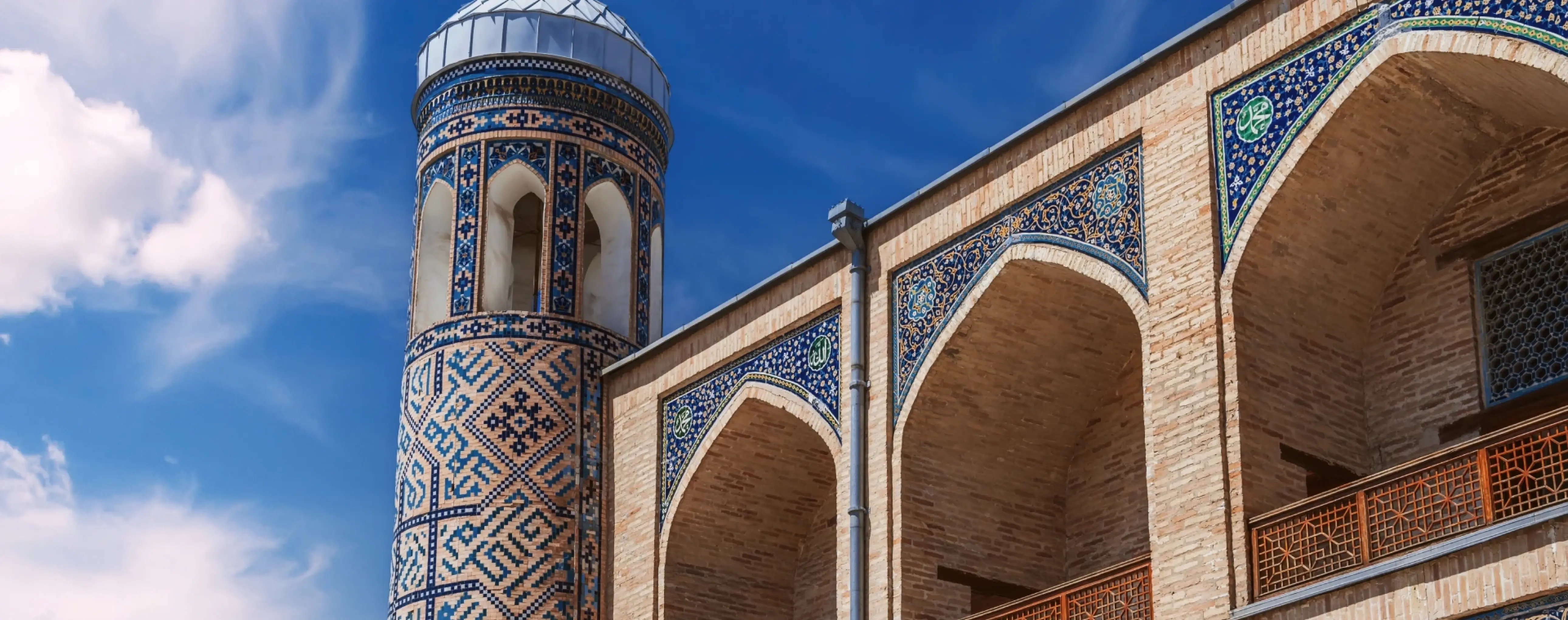
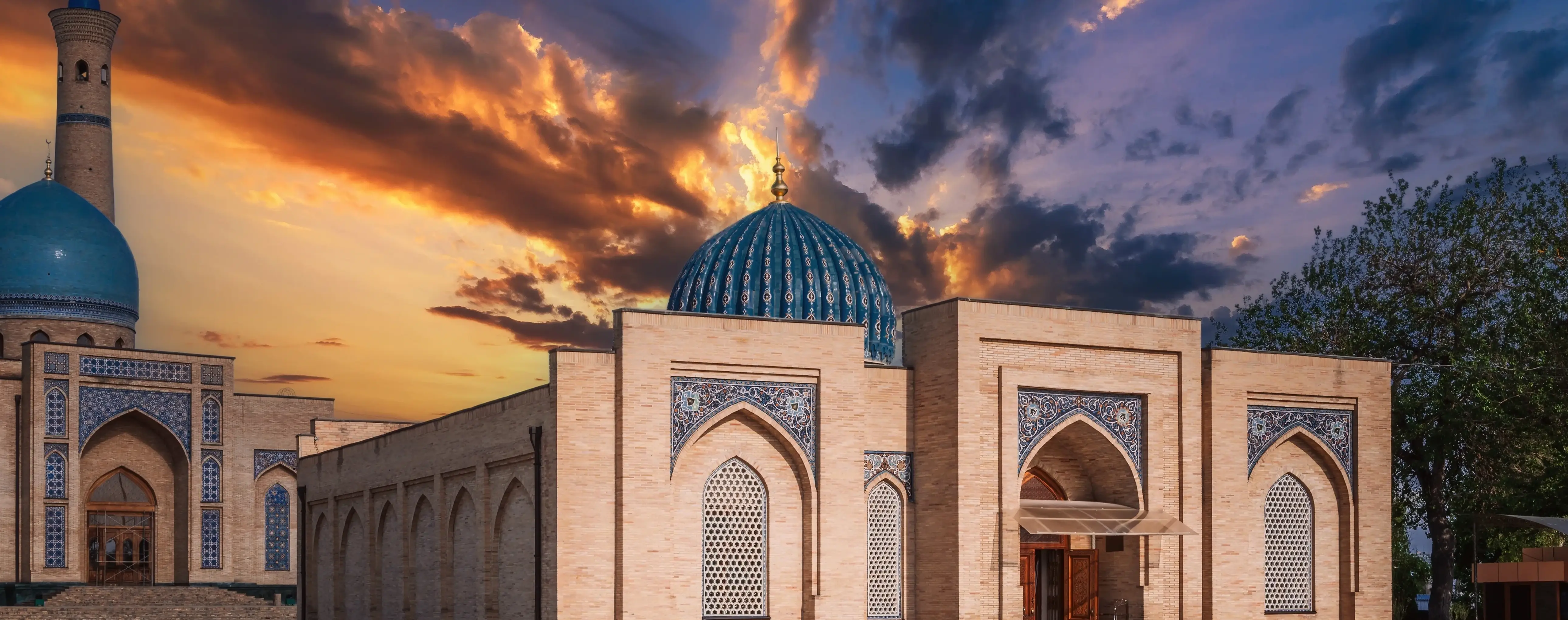
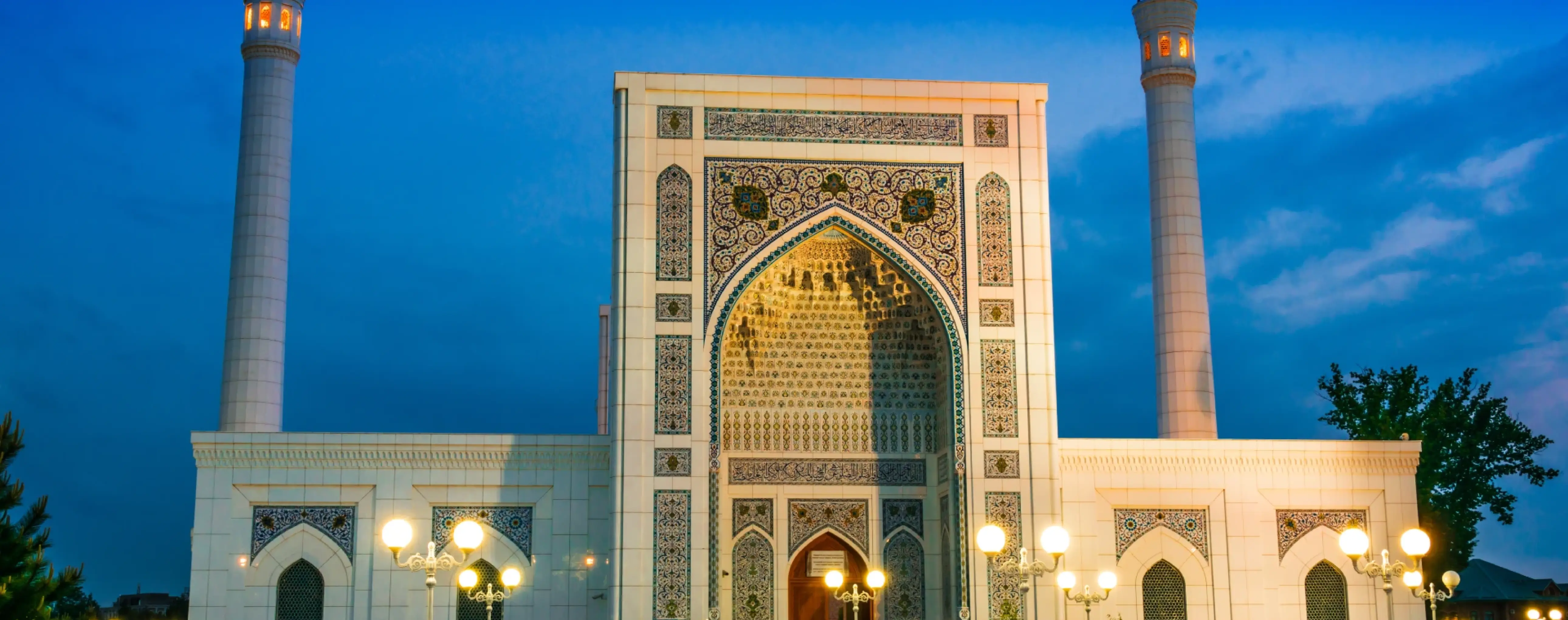
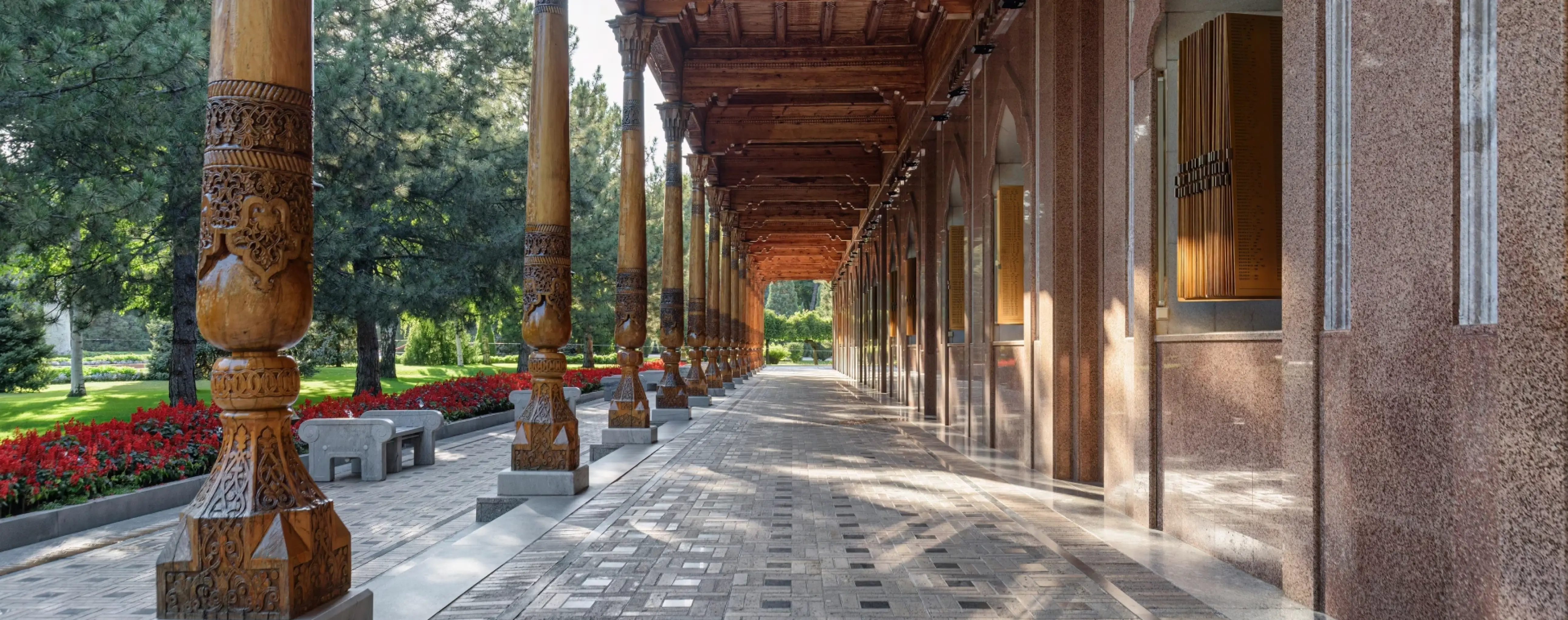
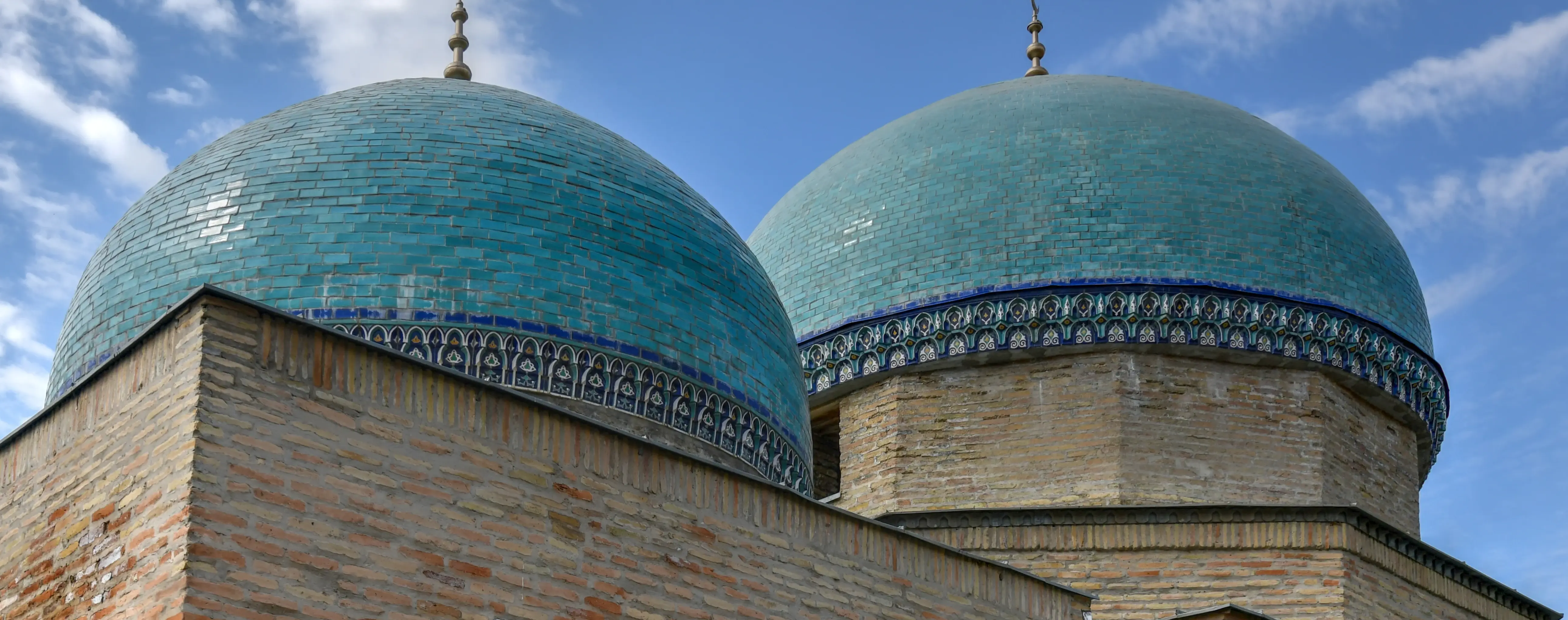
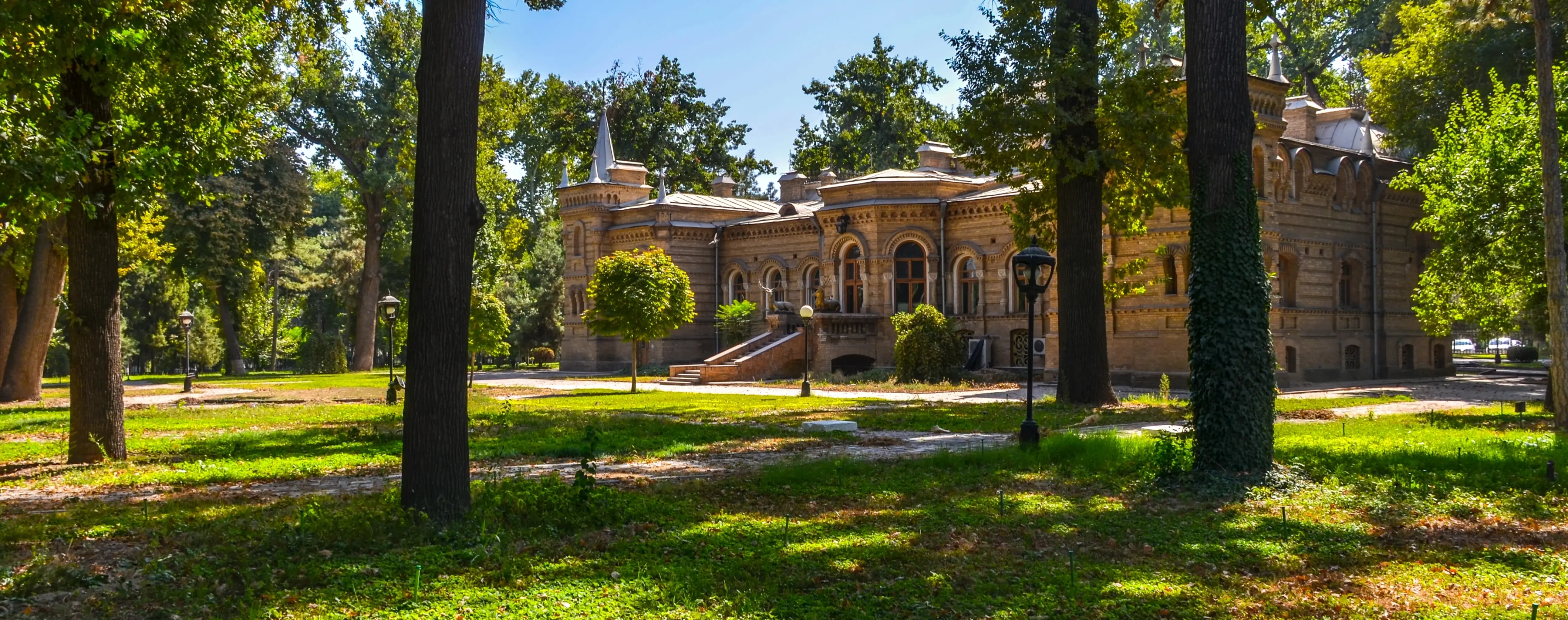
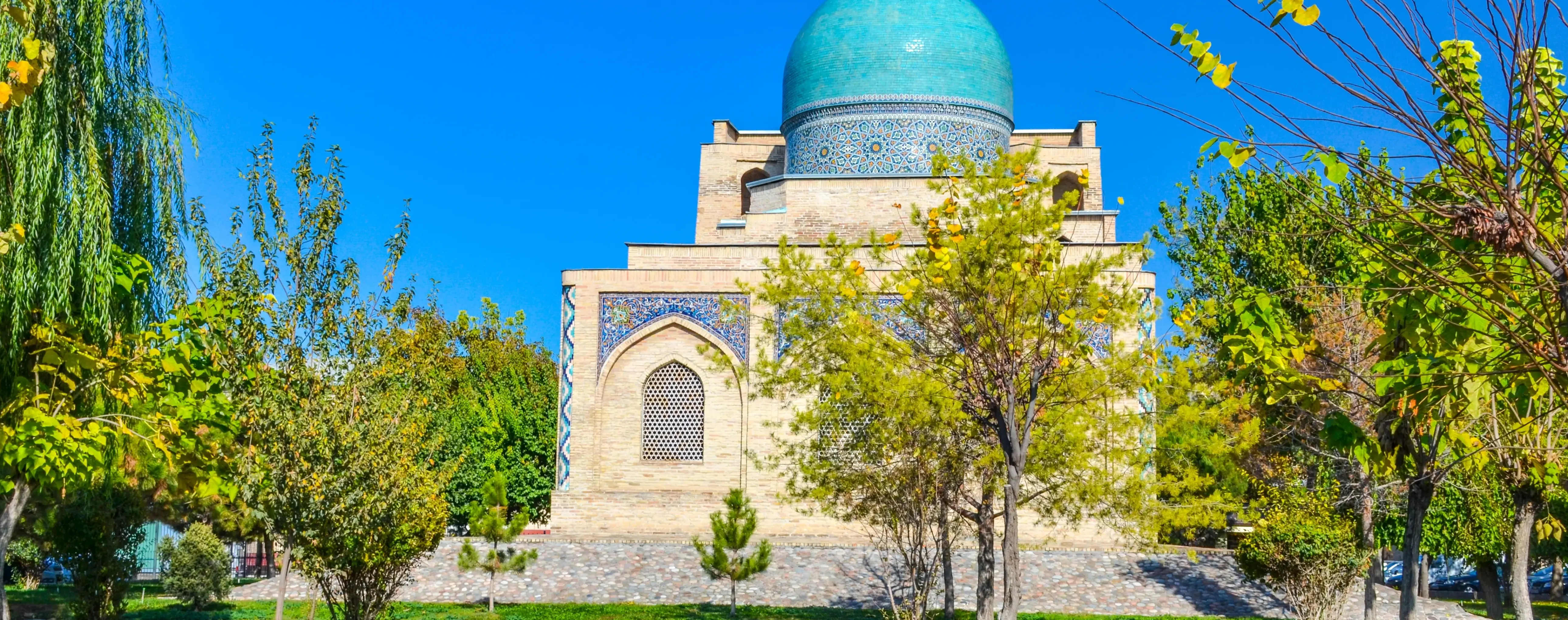
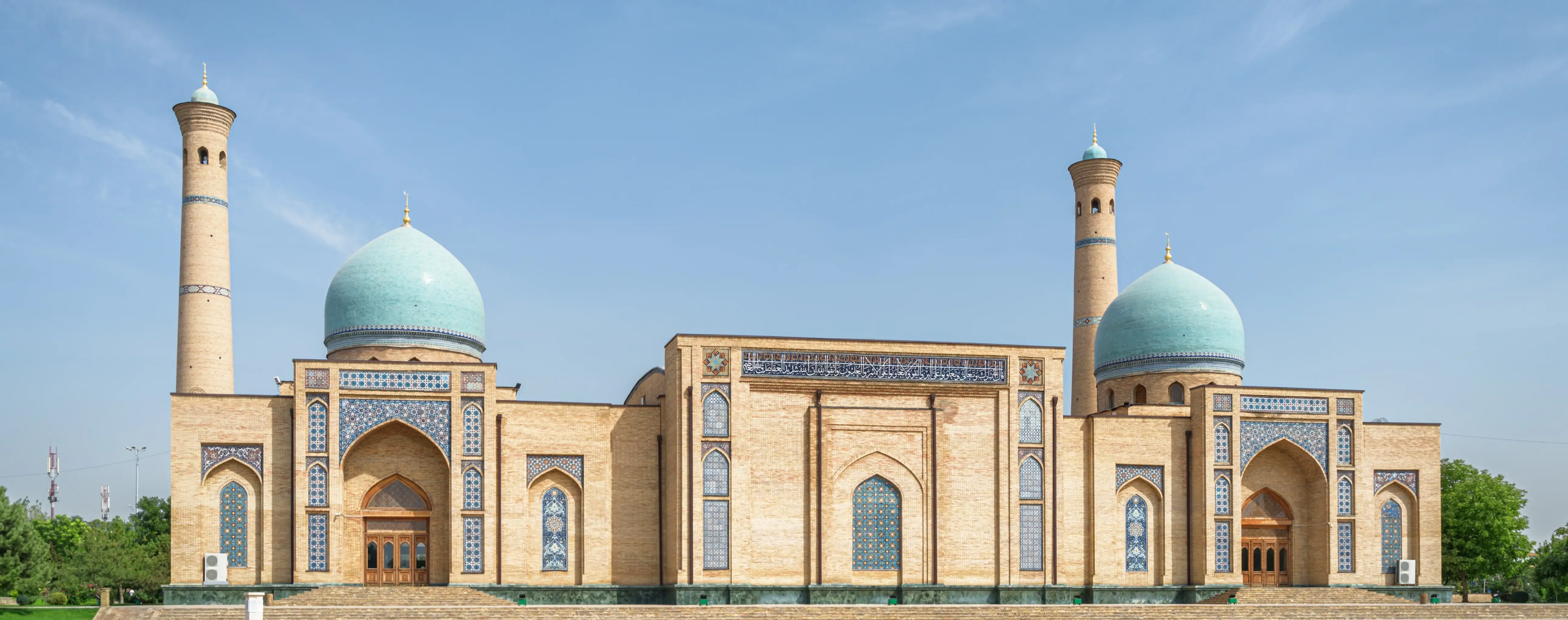
The city brings together Islamic heritage and modern rebuilding shaped by the Soviet period and the urban form that followed the 1966 earthquake. Among the key surviving monuments is the Khast Imam Complex, one of Tashkent's most important religious and historic sites, associated with the famous Samarkand Kufic Quran. Across the city, Soviet-era avenues and public buildings sit alongside restored Islamic monuments and newer commercial areas.
Tashkent combines cultural sights, major transport convenience, and big-city infrastructure. That makes it well suited to a 2 to 3 day cultural stop, to time spent walking between central public spaces and major sights, or to use as the first and last city on an Uzbekistan itinerary. It works equally well for holidays or as part of a broader travel guide plan focused on urban culture, religious heritage, and practical onward connections.
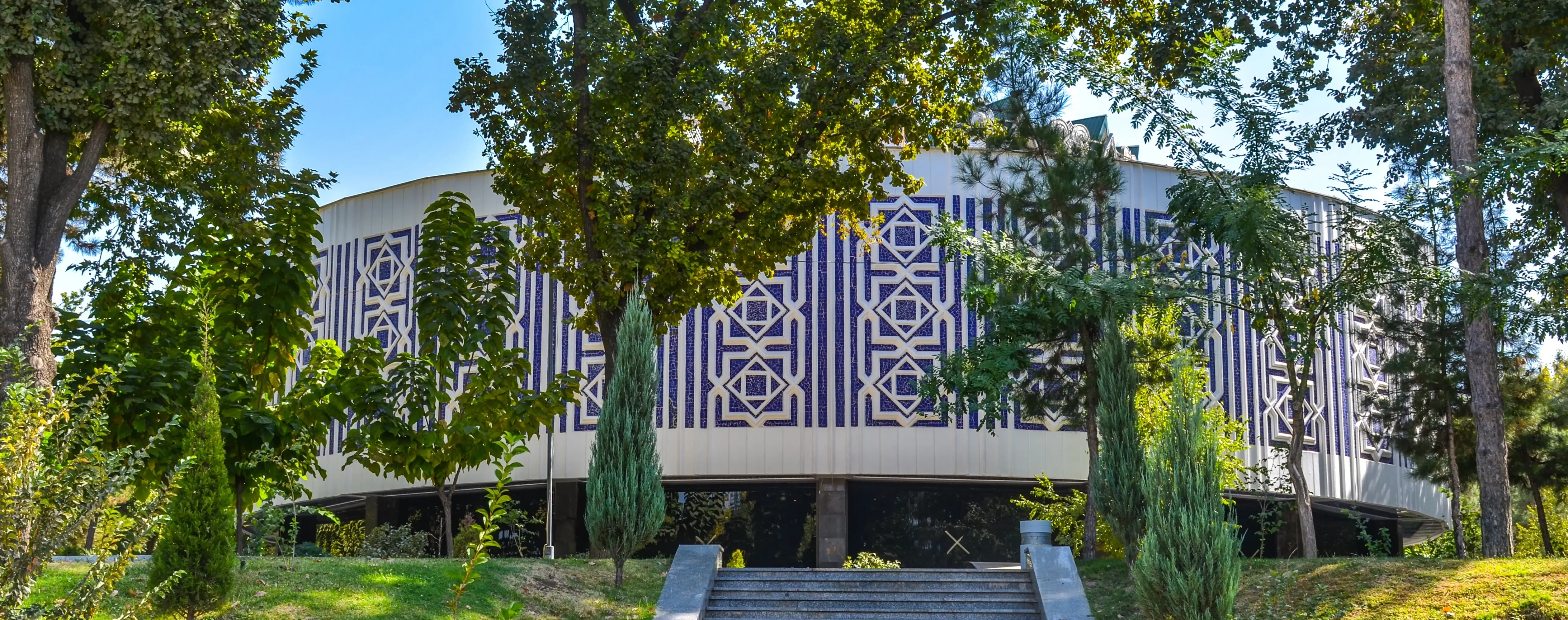
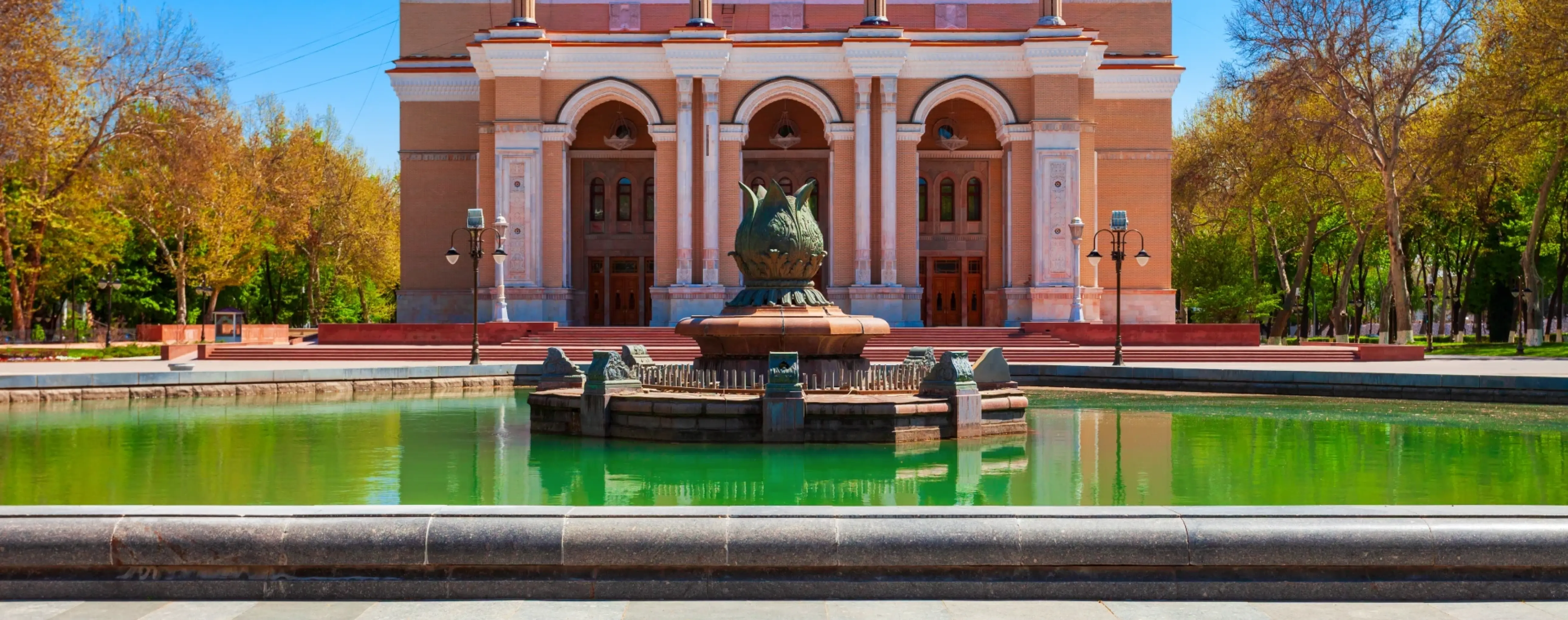
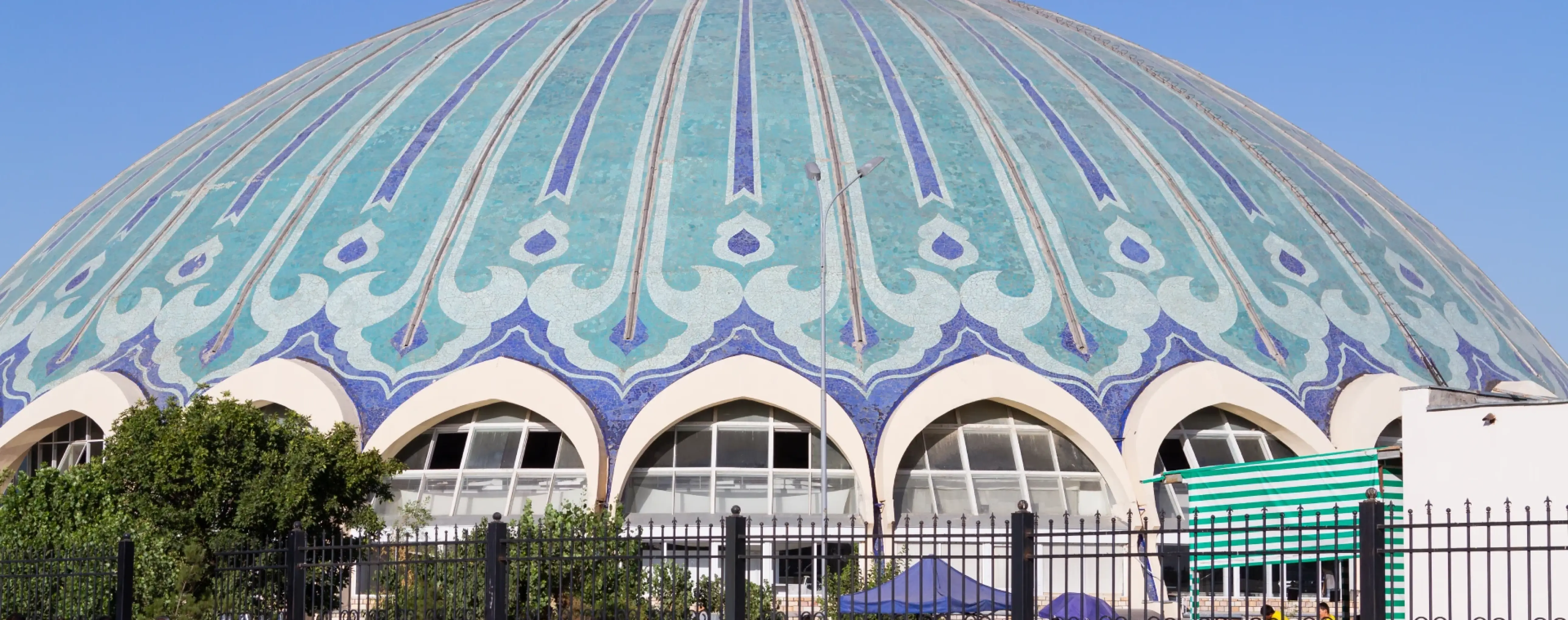
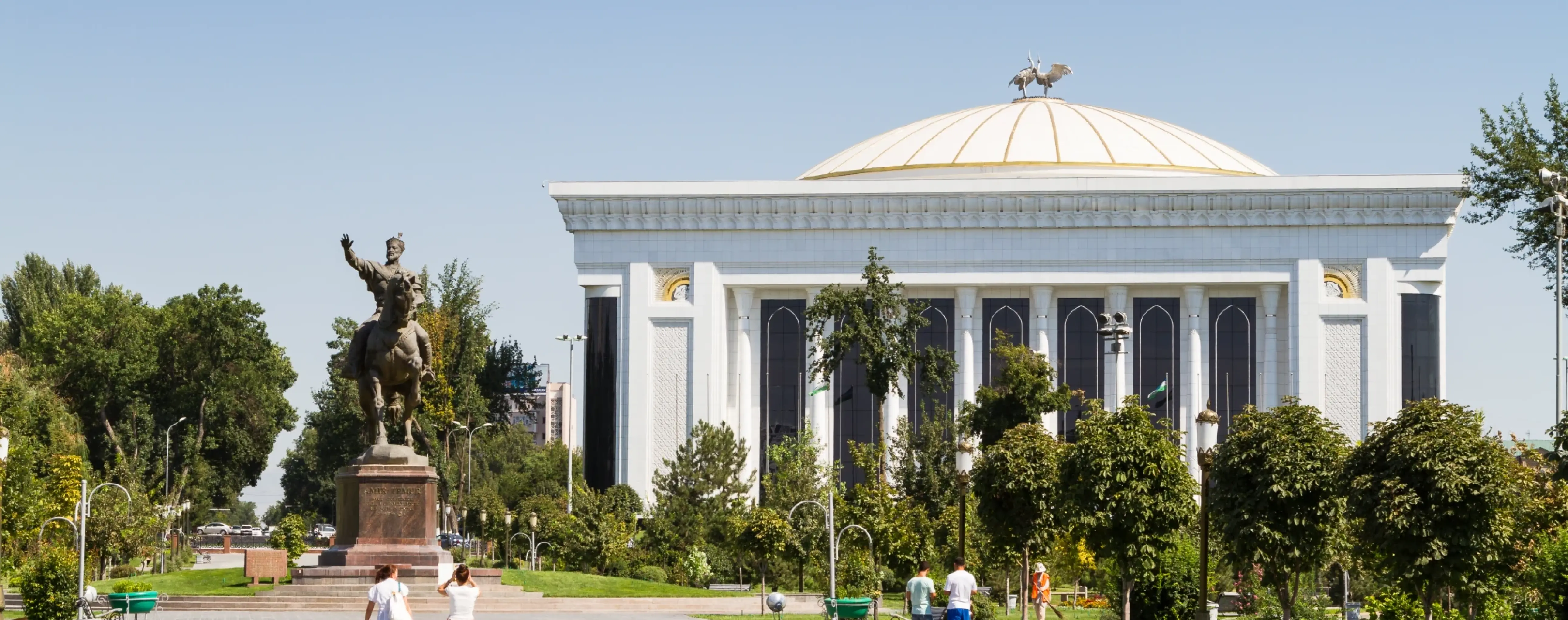
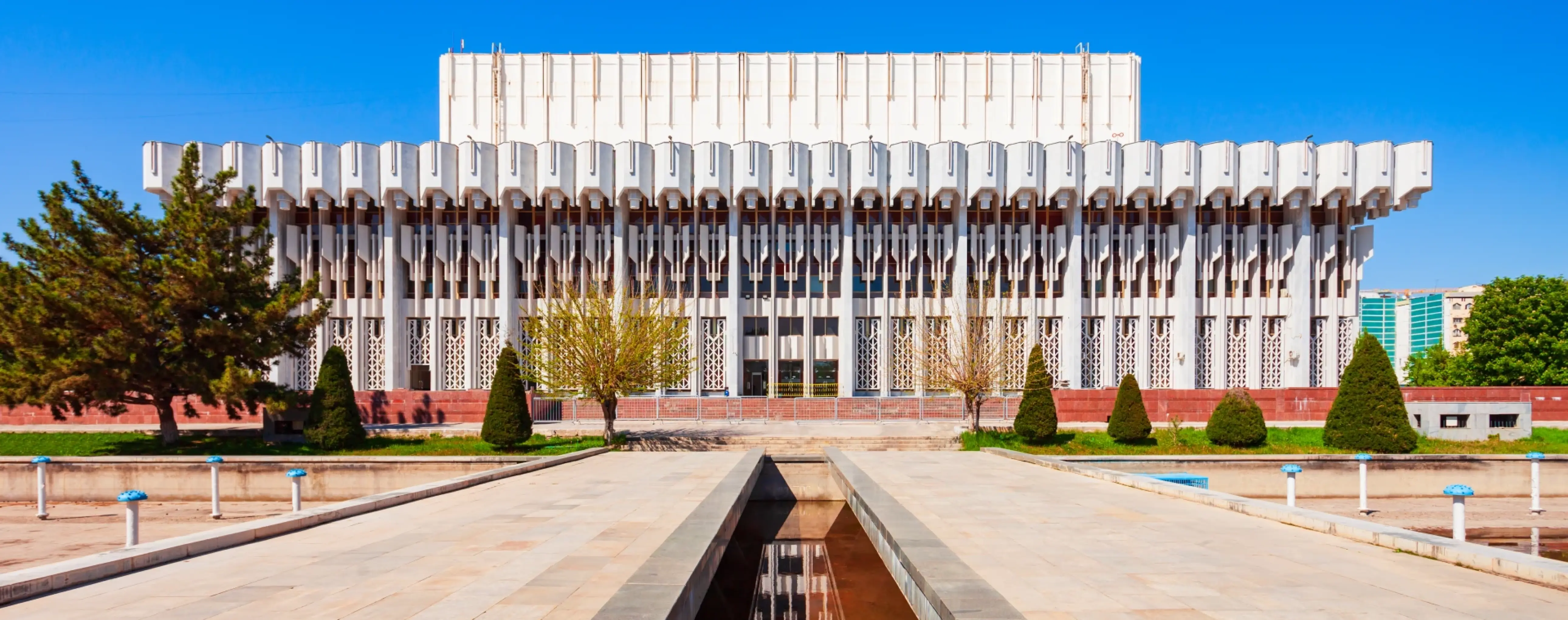
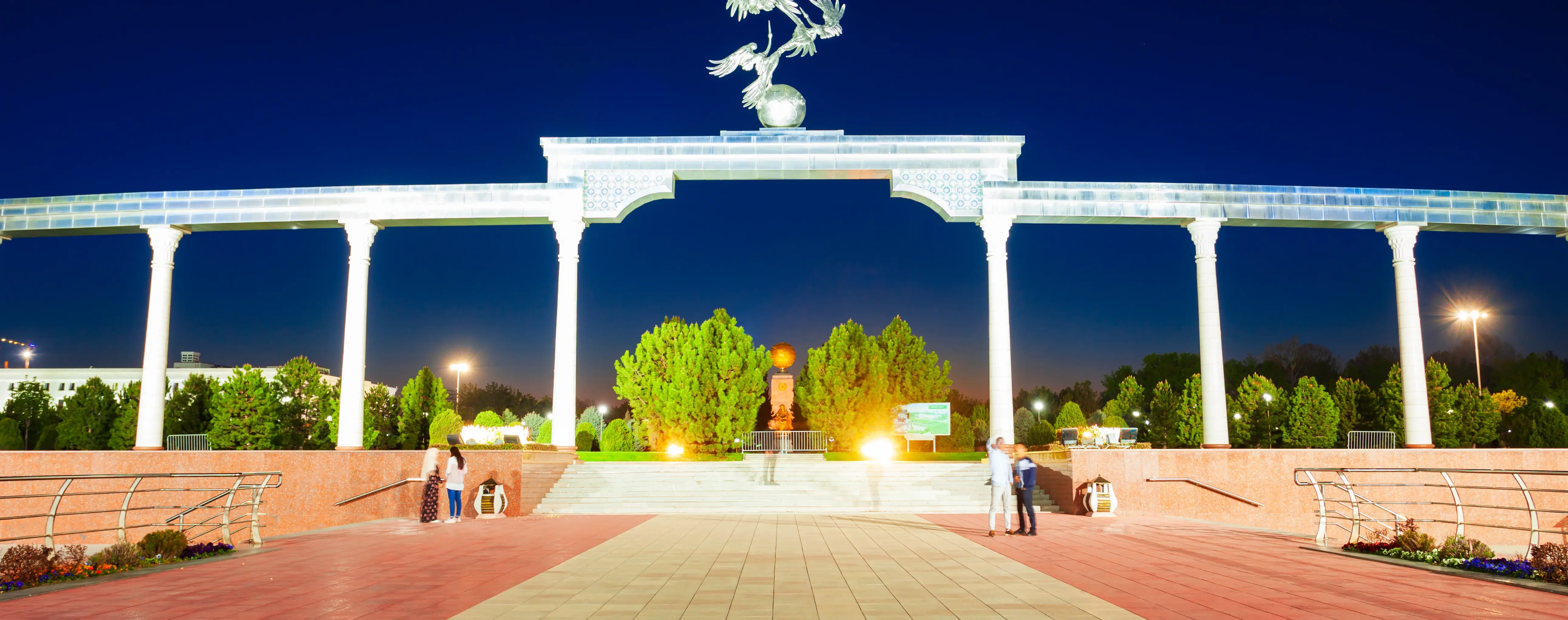
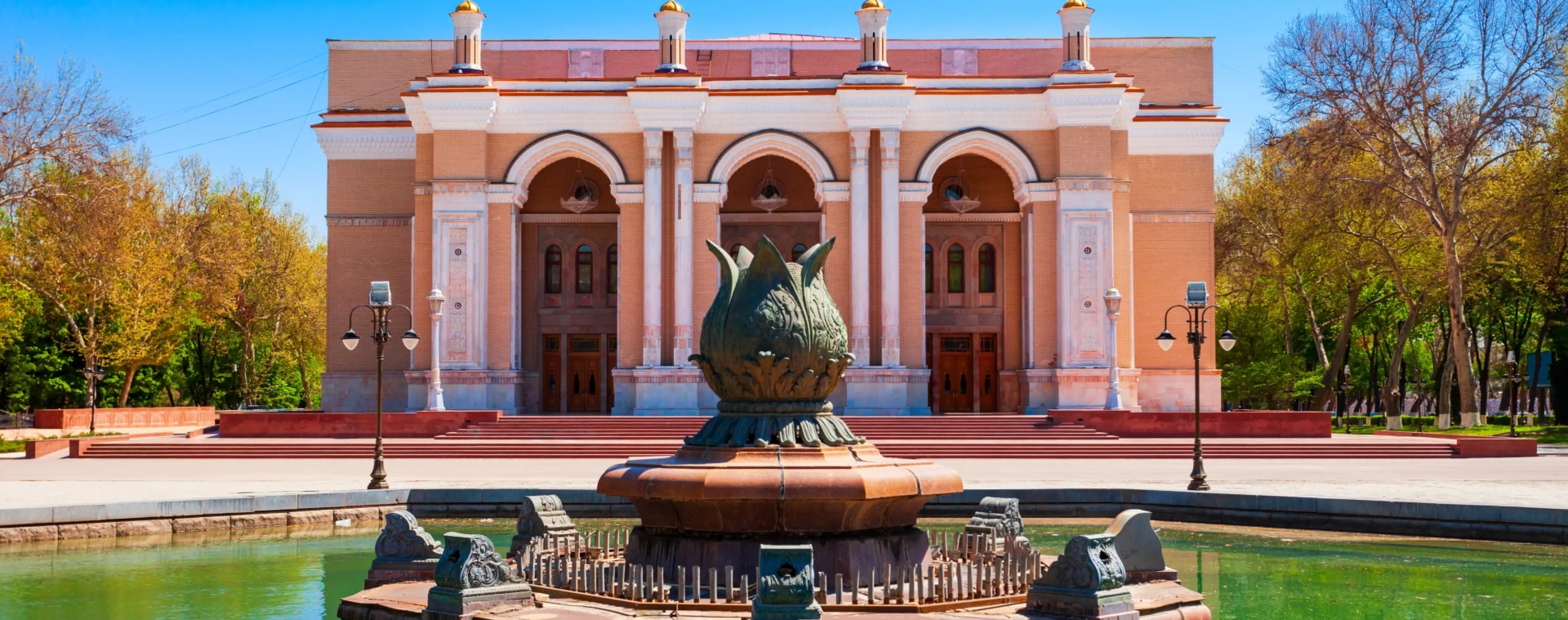
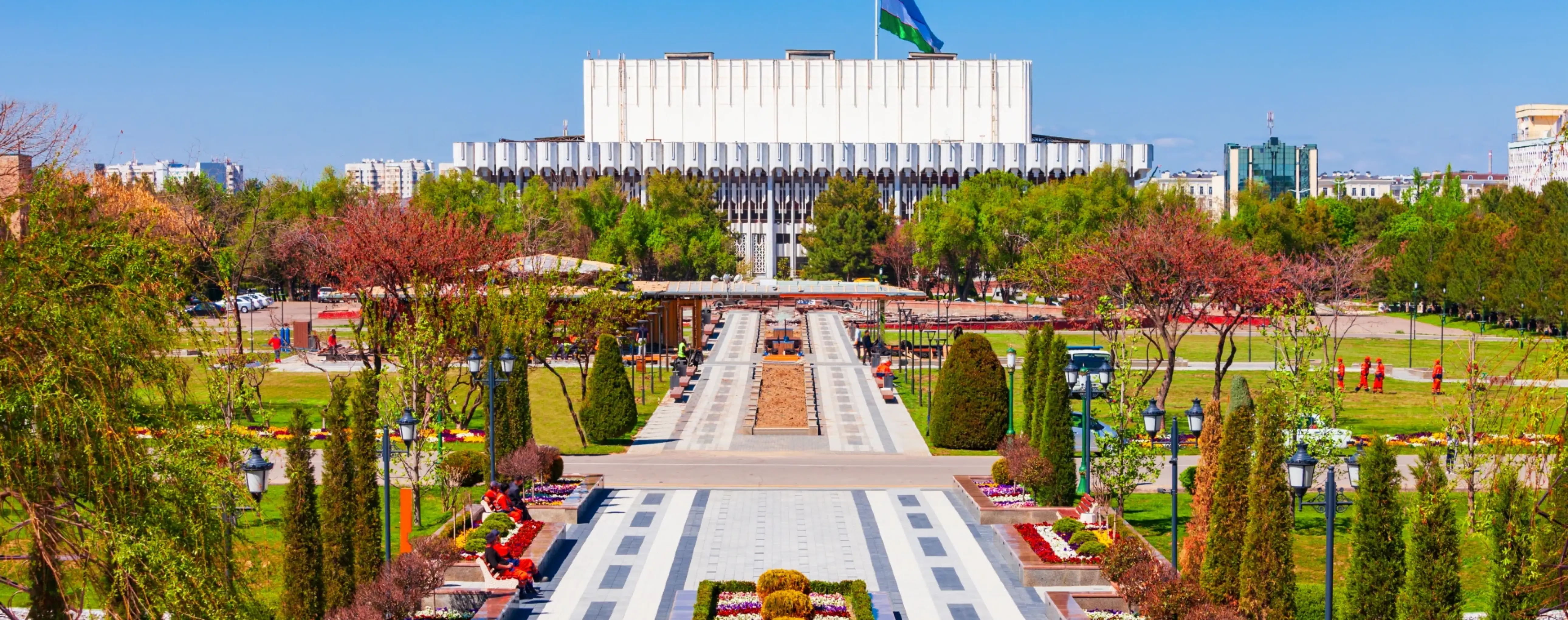
Among the main visitor areas, the Khast Imam Complex stands out for religious and historic interest, while Chorsu Bazaar offers a view of everyday urban life and market activity. Amir Timur Square and Independence Square provide central civic space and useful orientation. The Alisher Navoi Theater is a major cultural venue, and the Museum of Applied Arts is an important stop for decorative traditions and craftsmanship. Islam Karimov Tashkent International Airport is Uzbekistan's main international air gateway, and the city also has rail and domestic transport links to major tourist cities including Samarkand and Bukhara, with the metro serving as both public transport and a sightseeing feature.
Tashkent has a continental climate, with very hot summers and cooler winter conditions. Spring and autumn are the most comfortable seasons for walking and sightseeing. Peak summer heat is the main period to avoid, and winter can make long outdoor visits less comfortable.
Tashkent on the map
Tashkent: Attractions, interesting places for excursions
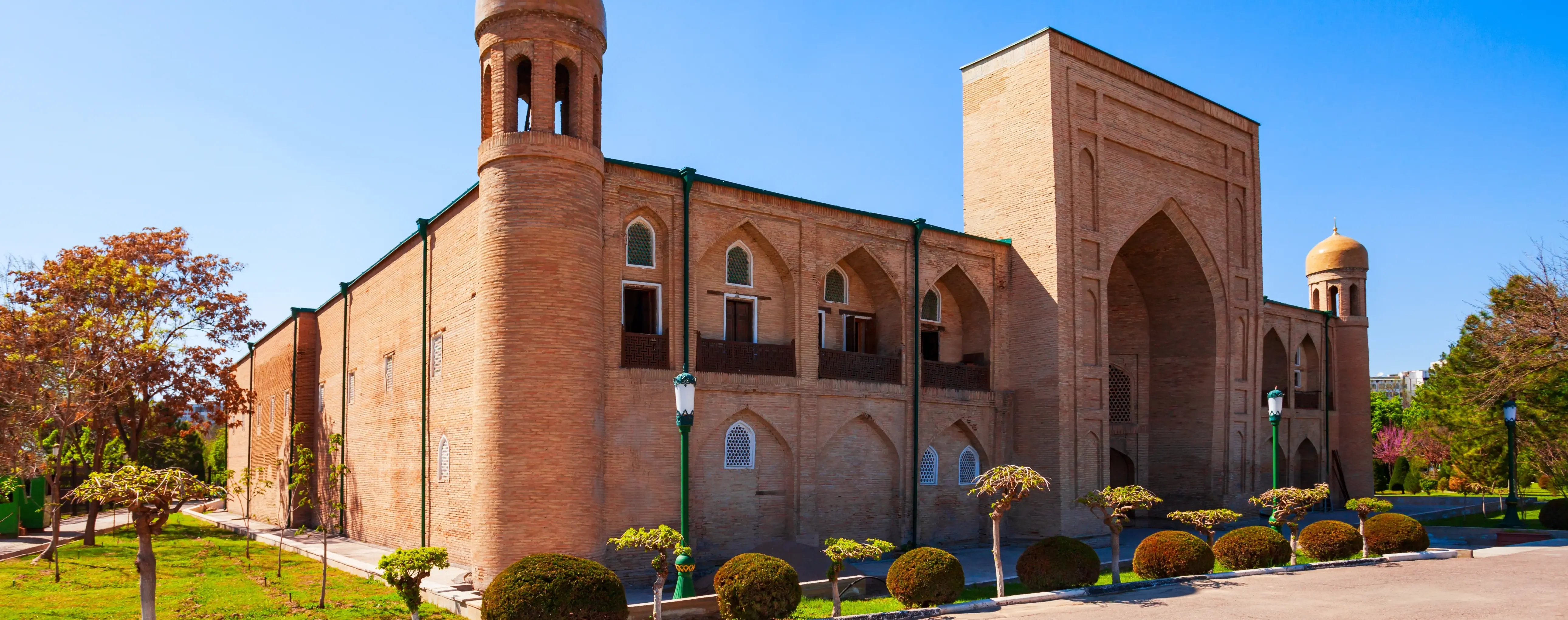
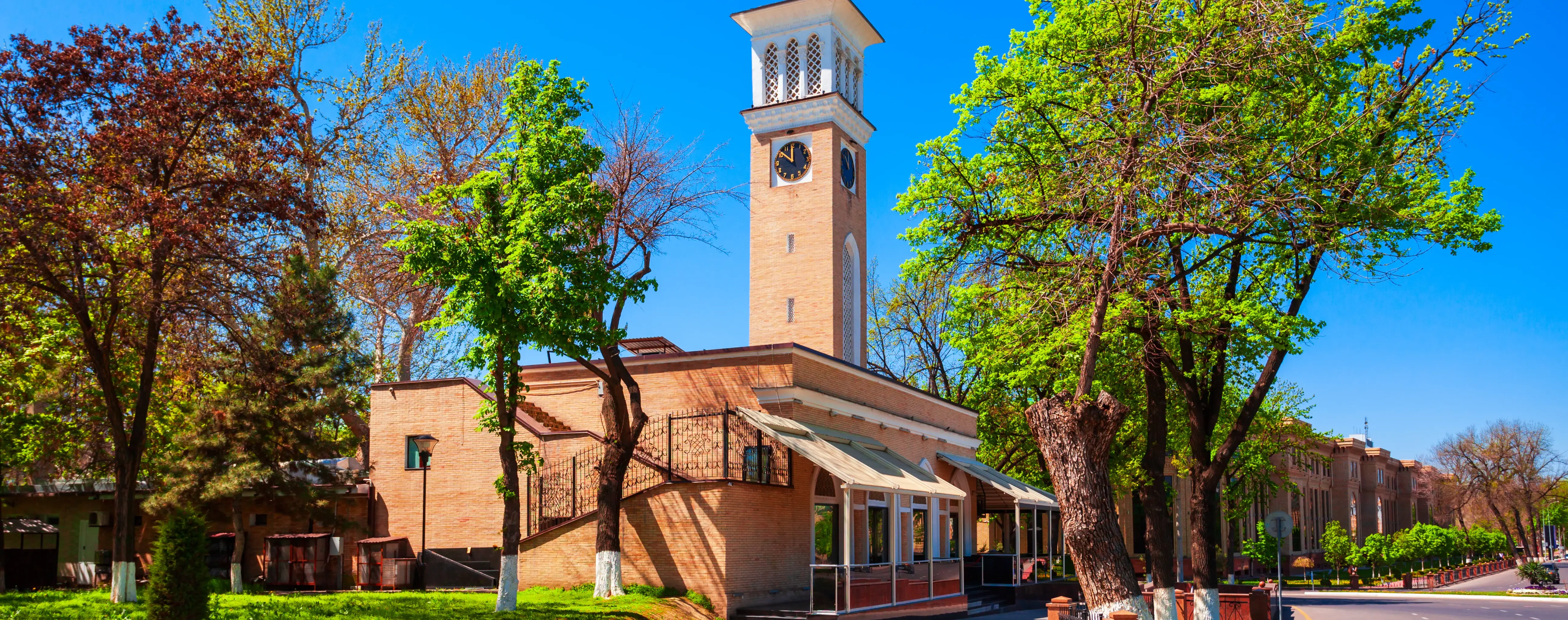
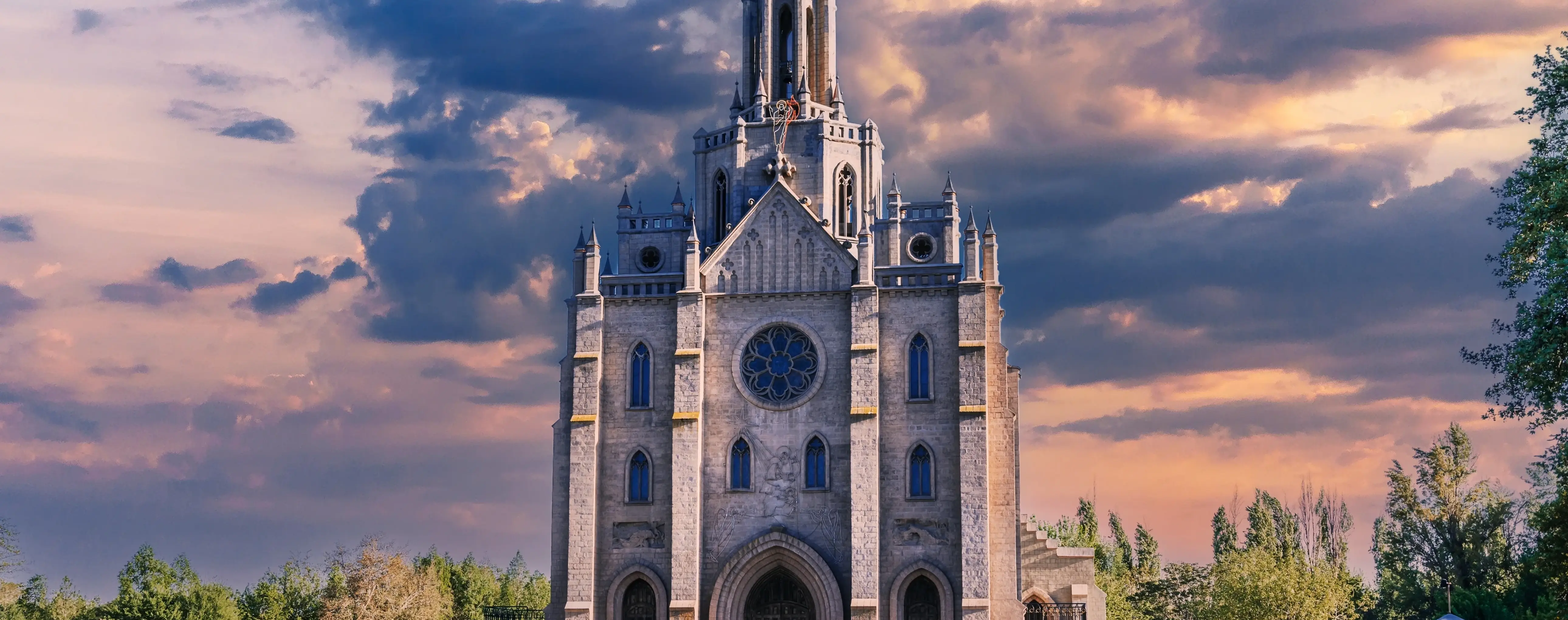
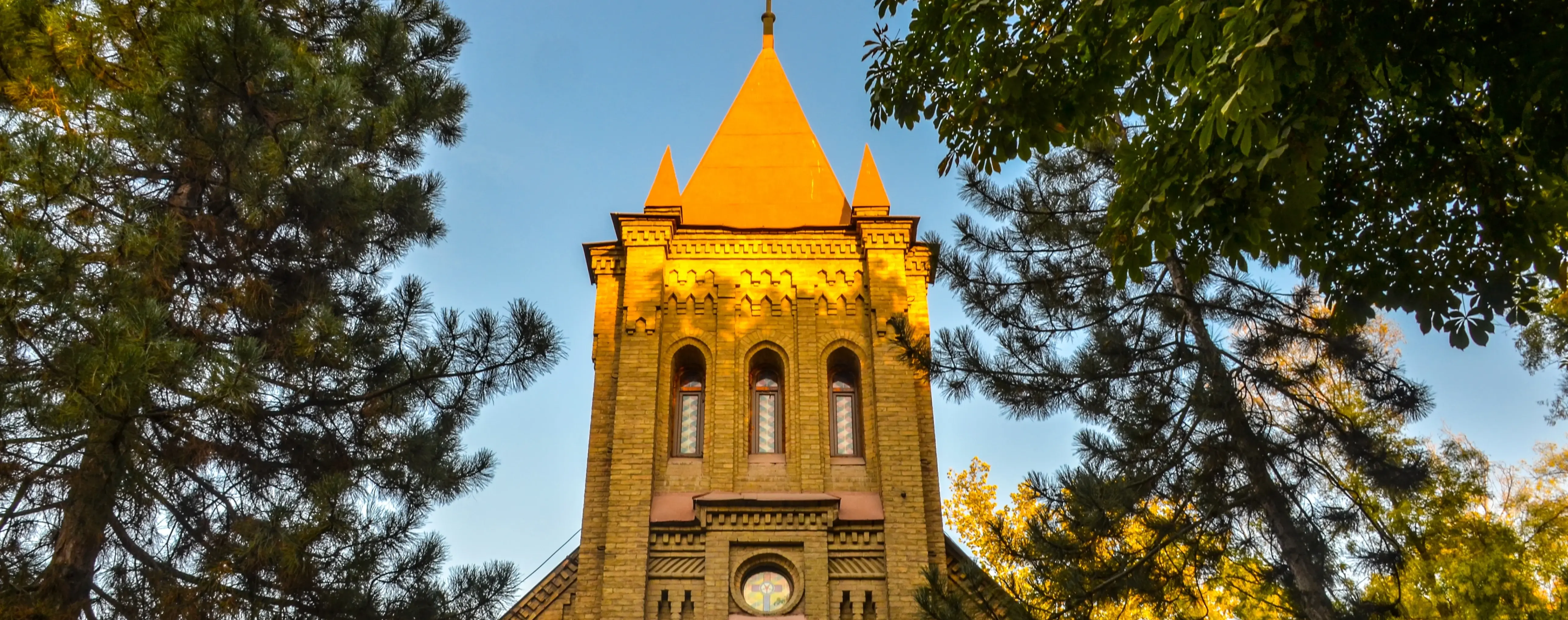
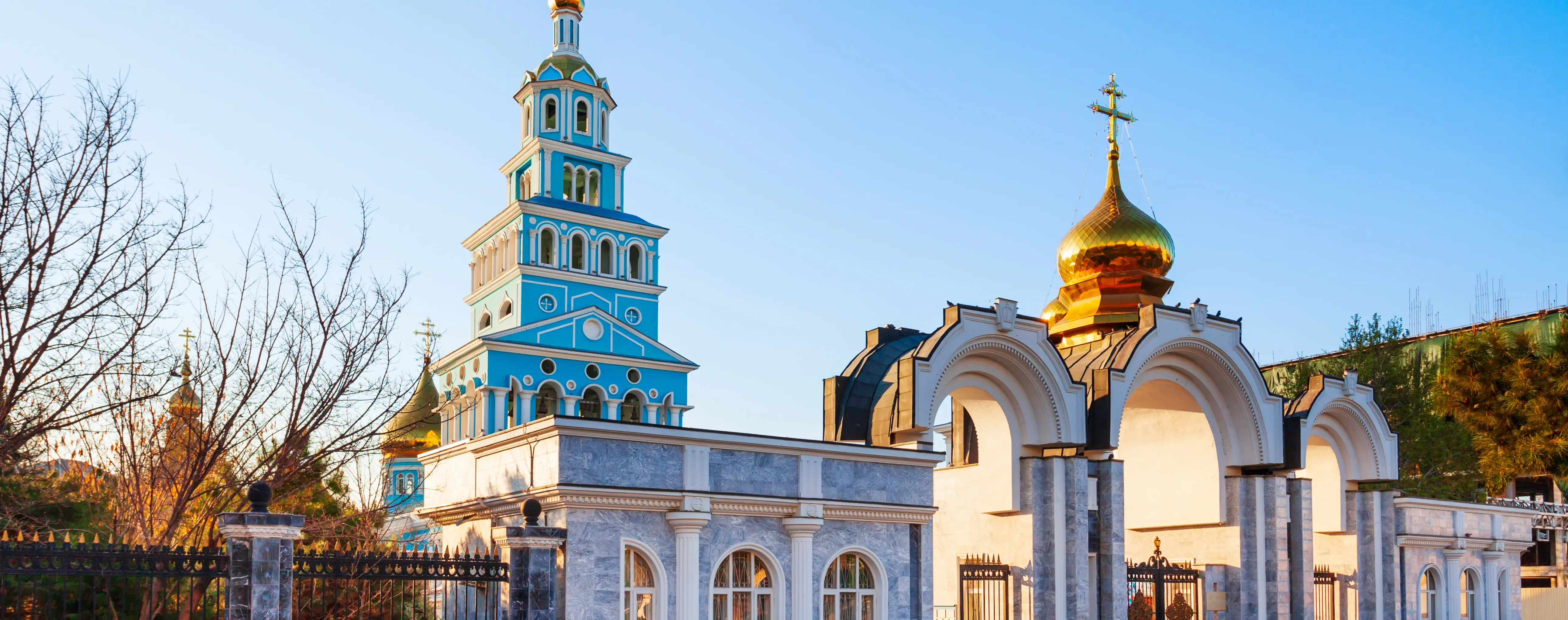
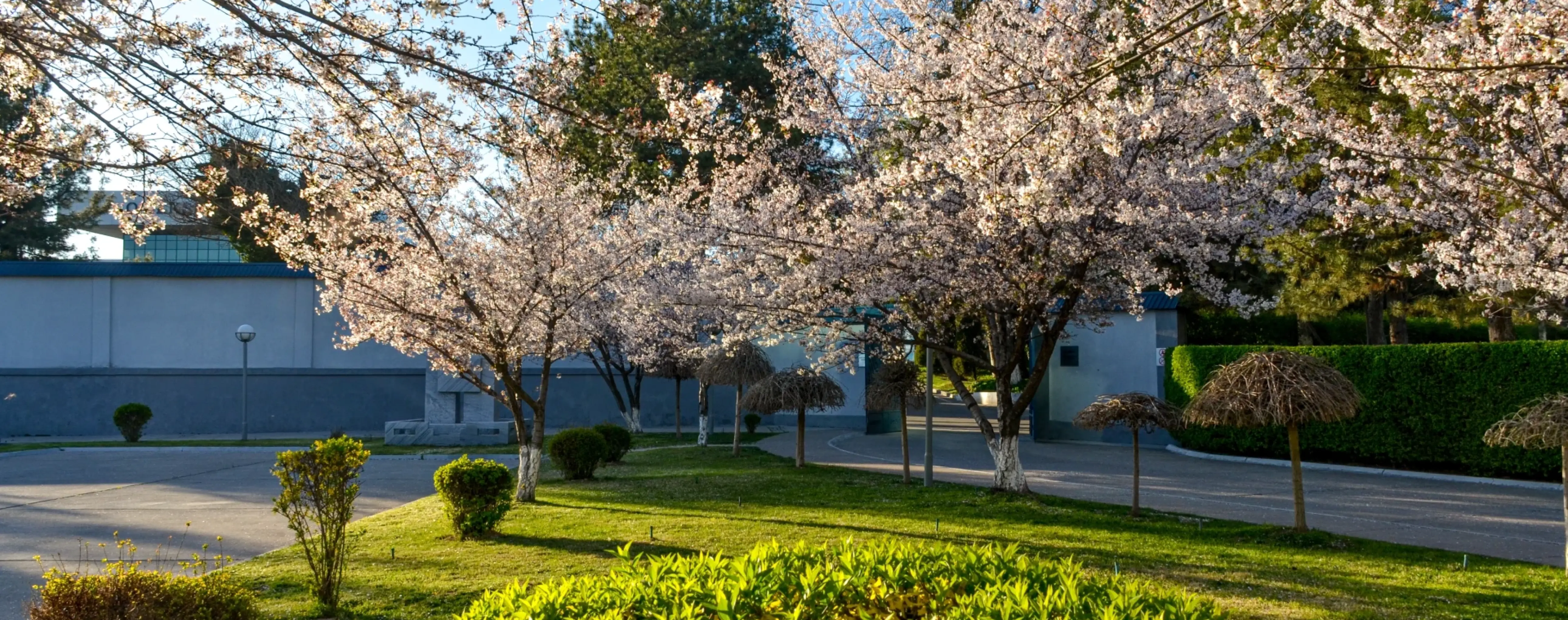
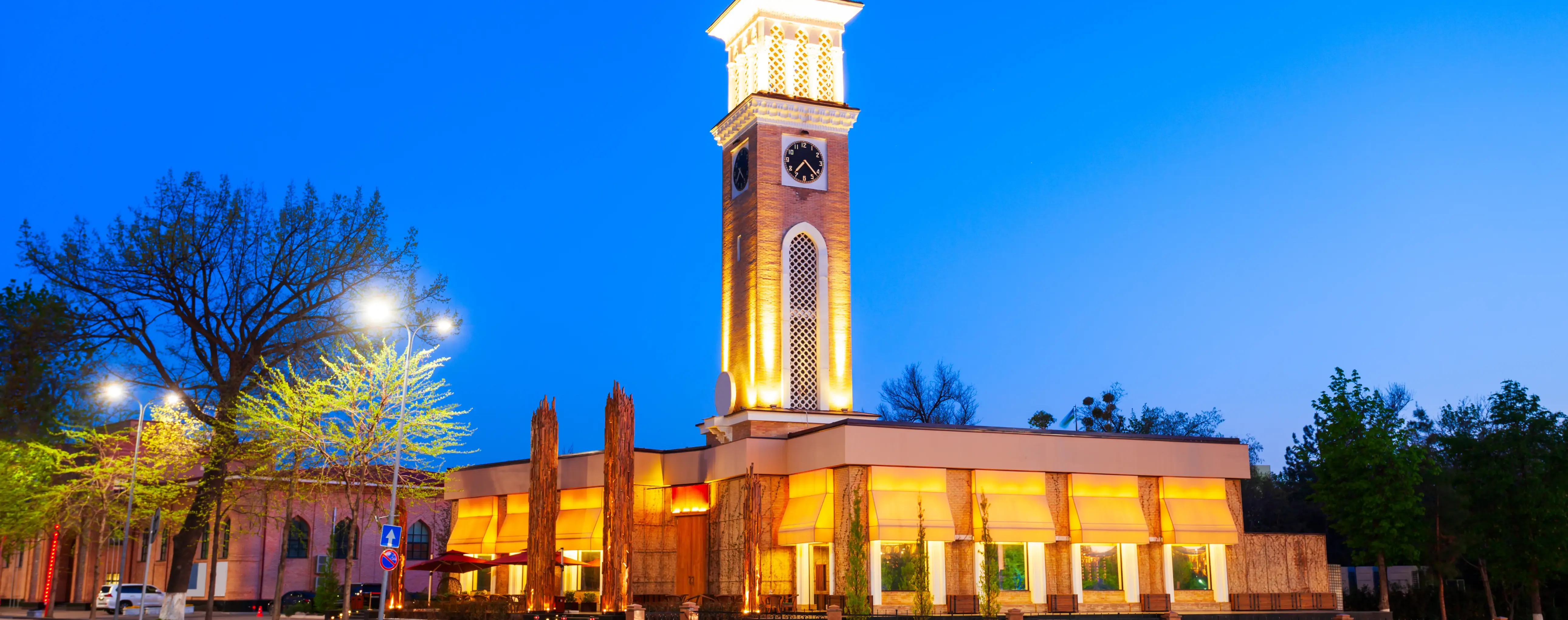
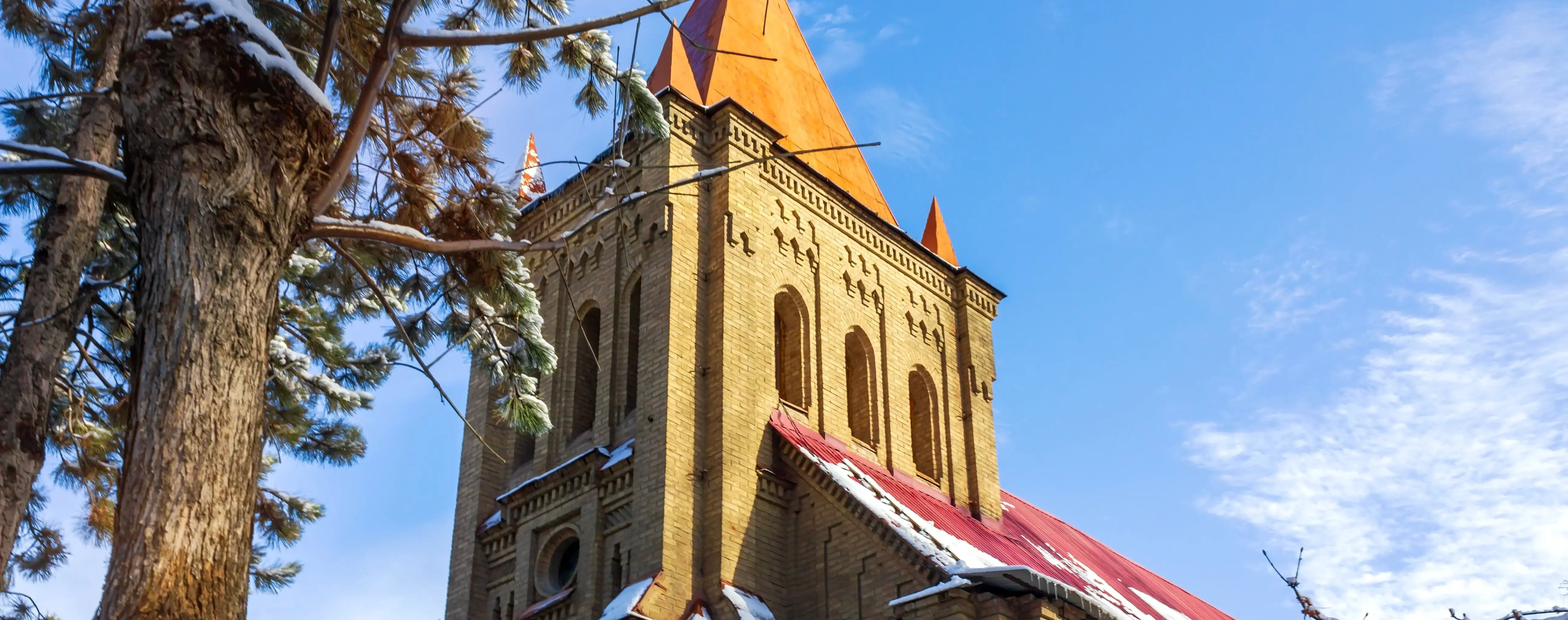
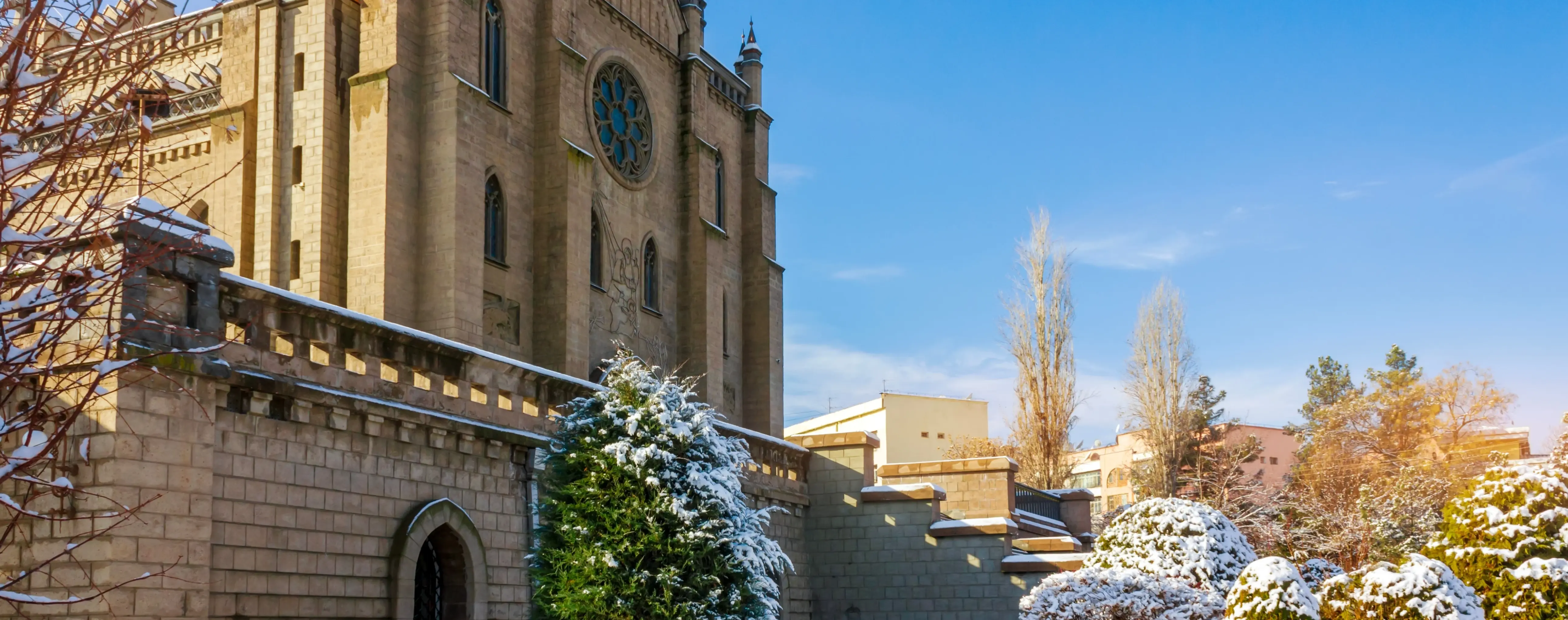
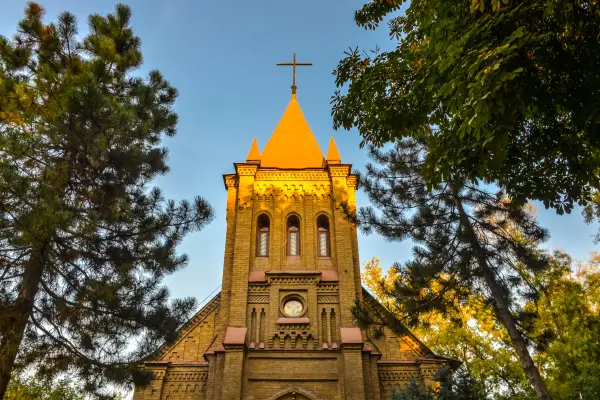
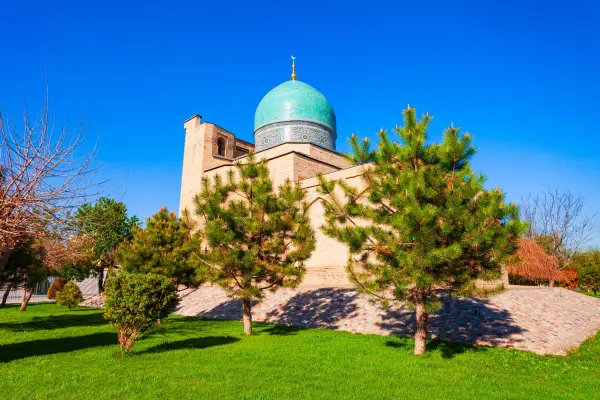
Cathedral of the Most Sacred Heart of Jesus, Botanical Garden, Abdulkasim Sheikh Madrasah, Tashkent Chimes
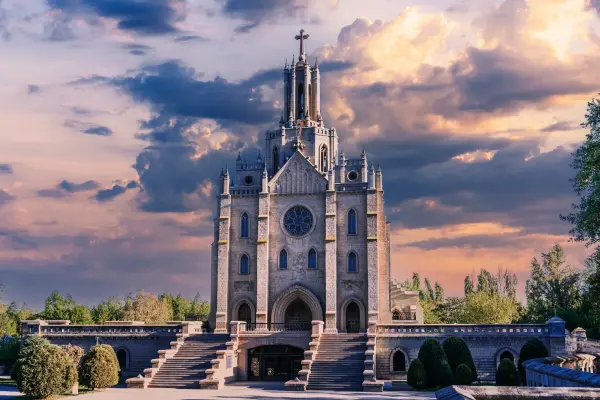
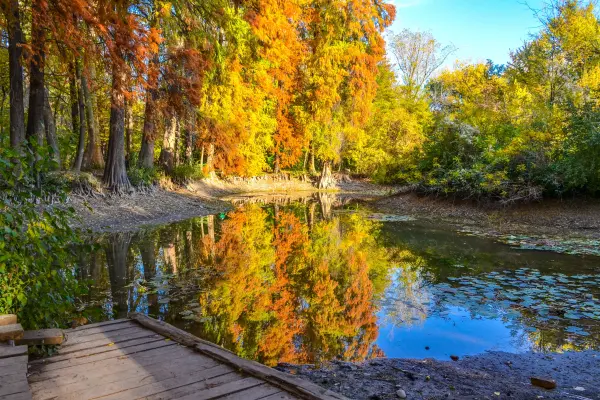
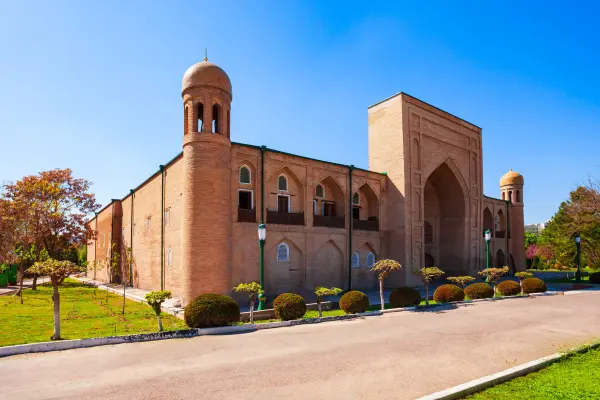
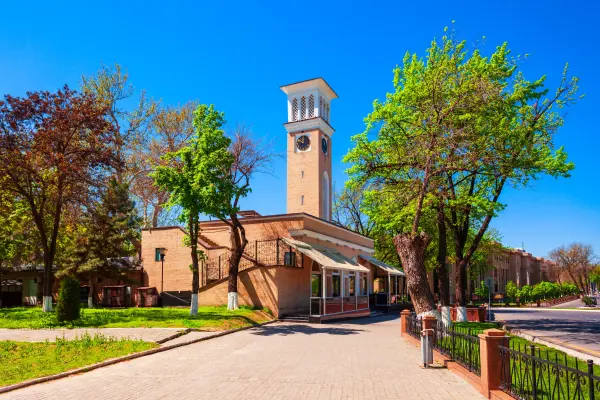
Tashkent: Popular Districts
Shaykhantakhur District, Mirzo-Ulugbek District, Yakkasaray District, Yunusabad District, Old City of Tashkent

What to see in Tashkent, from Khast Imam to Chorsu
Kufic manuscripts, blue-domed bazaars, and metro halls across the flat plain
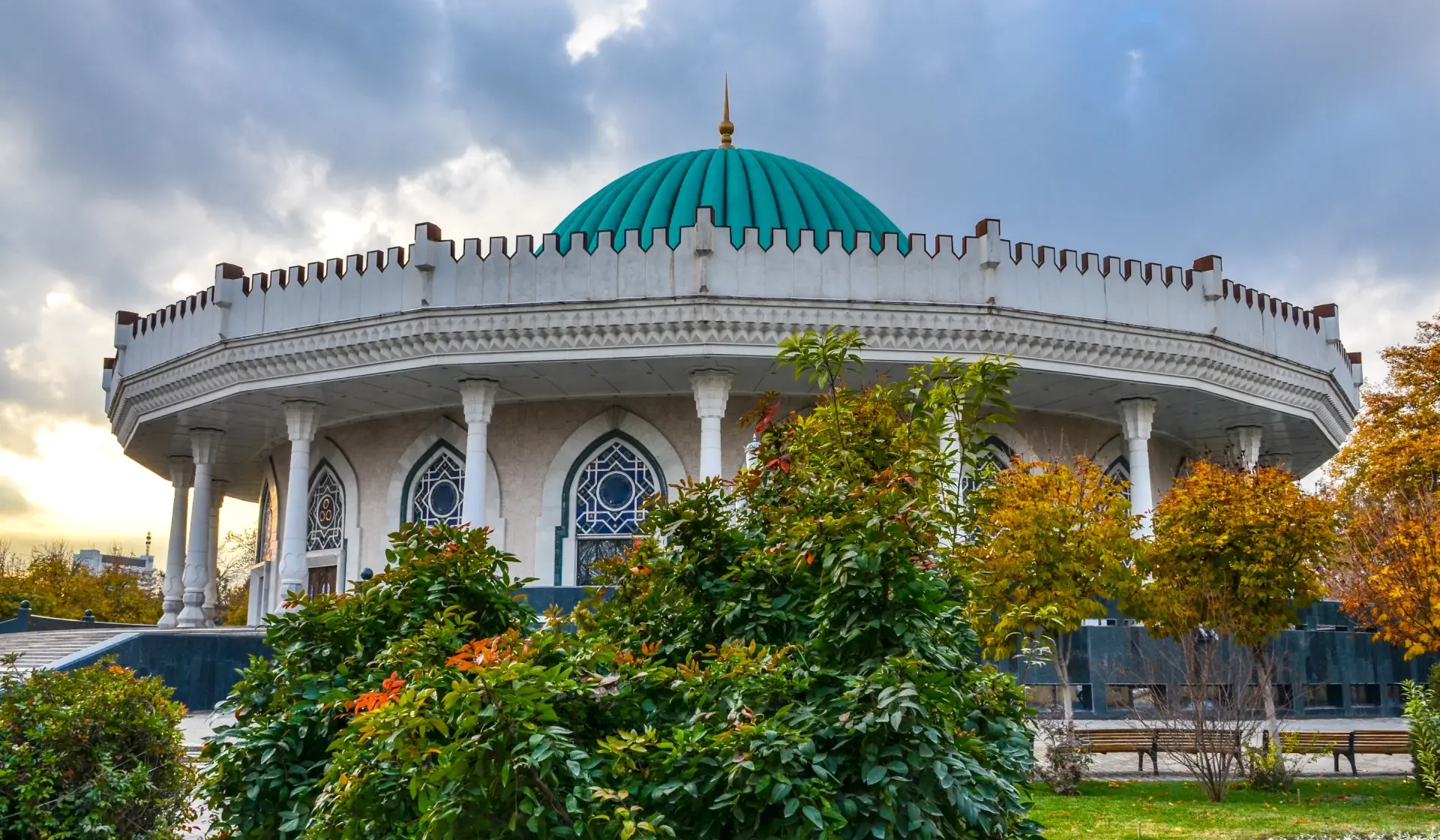
Tashkent's historic core and civic landmarks
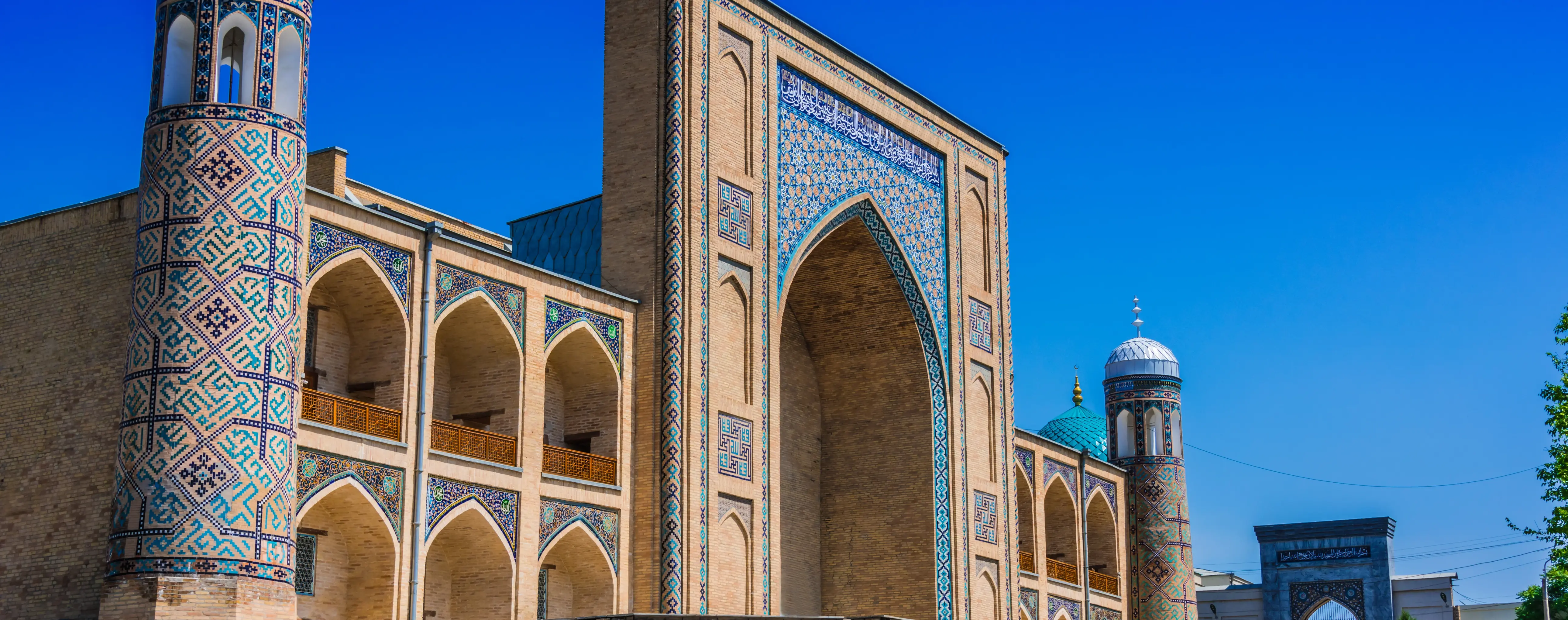
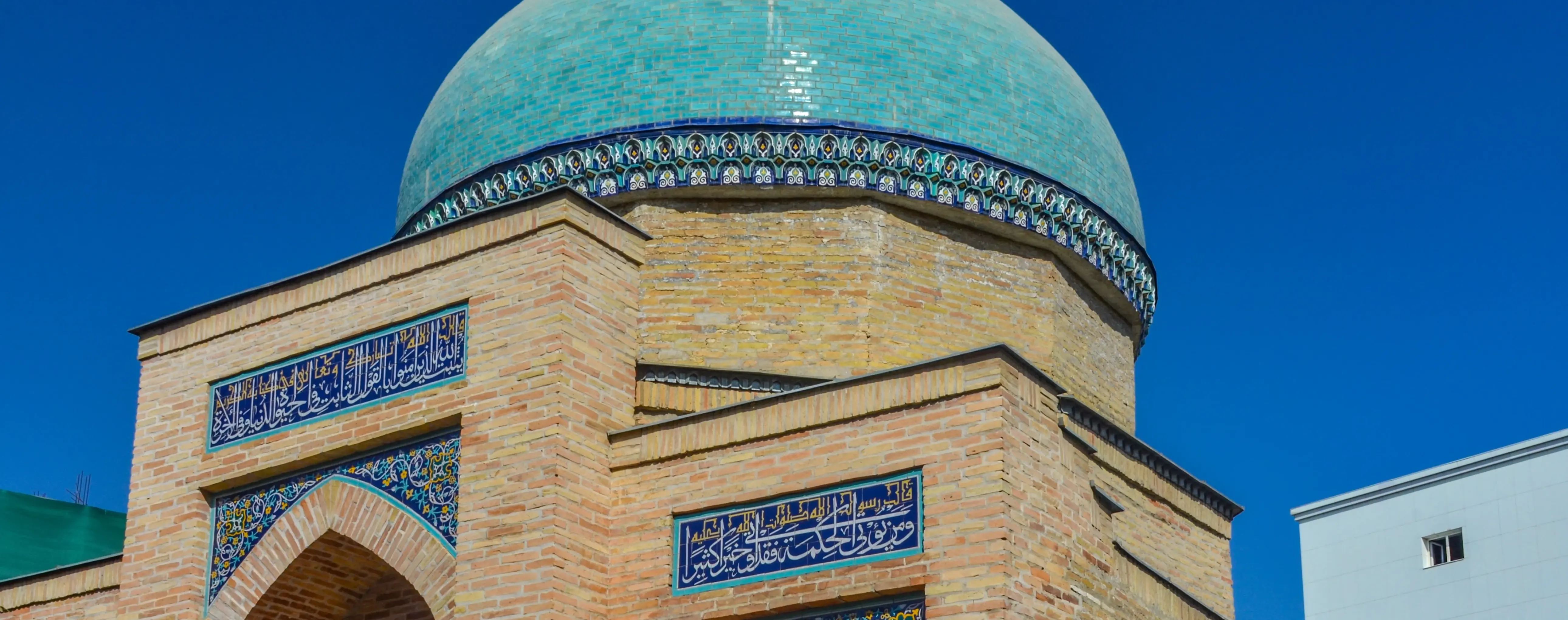
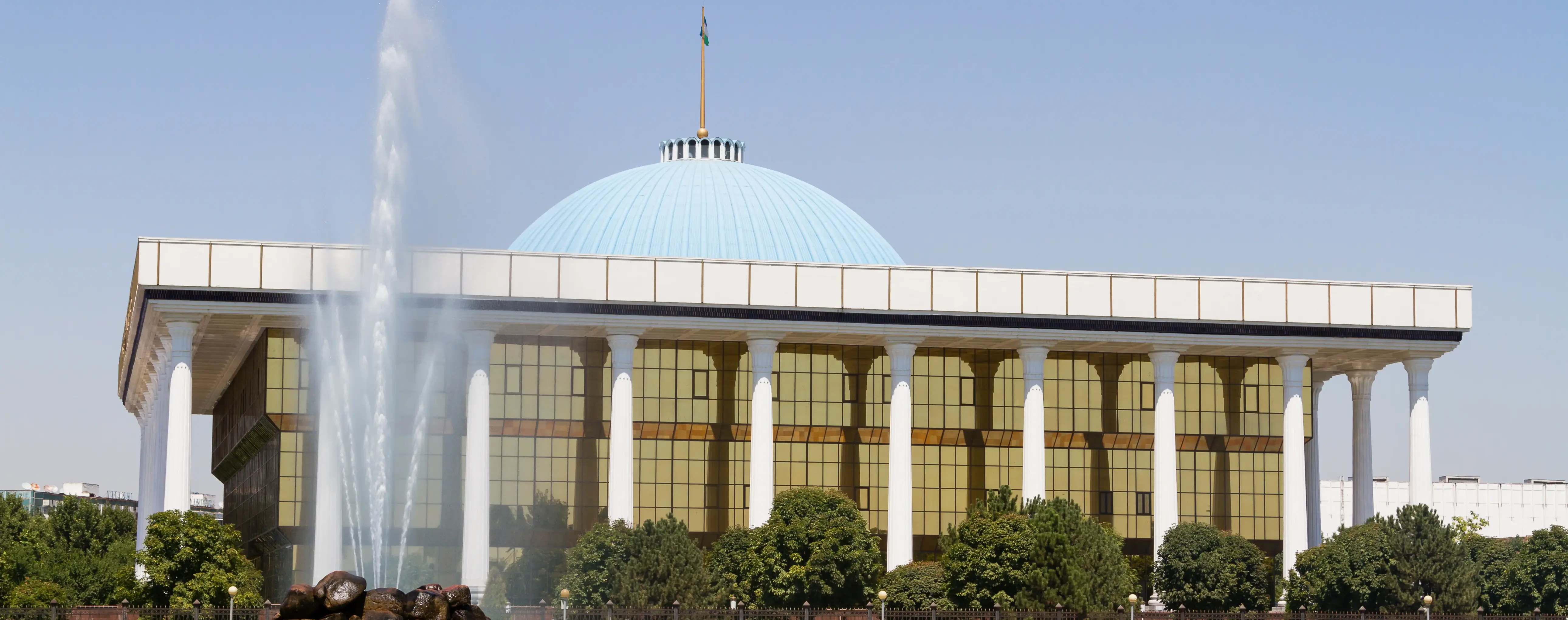
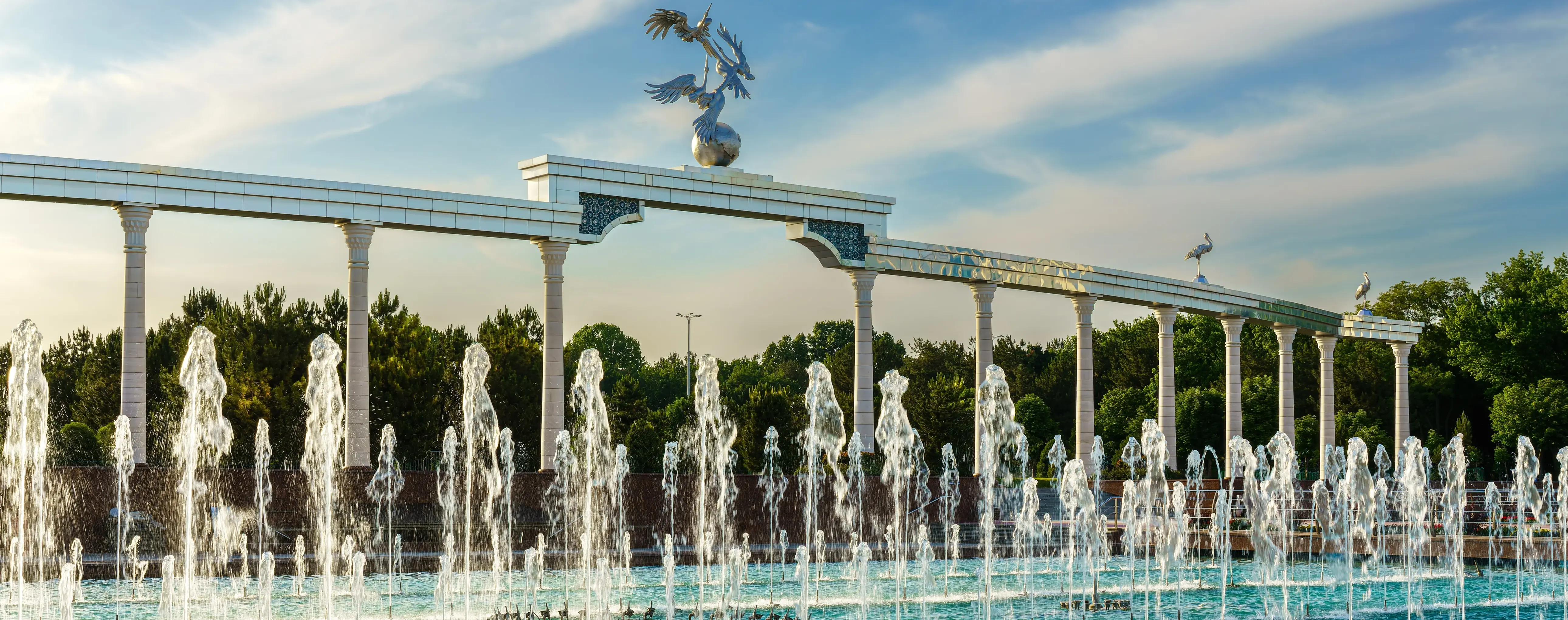
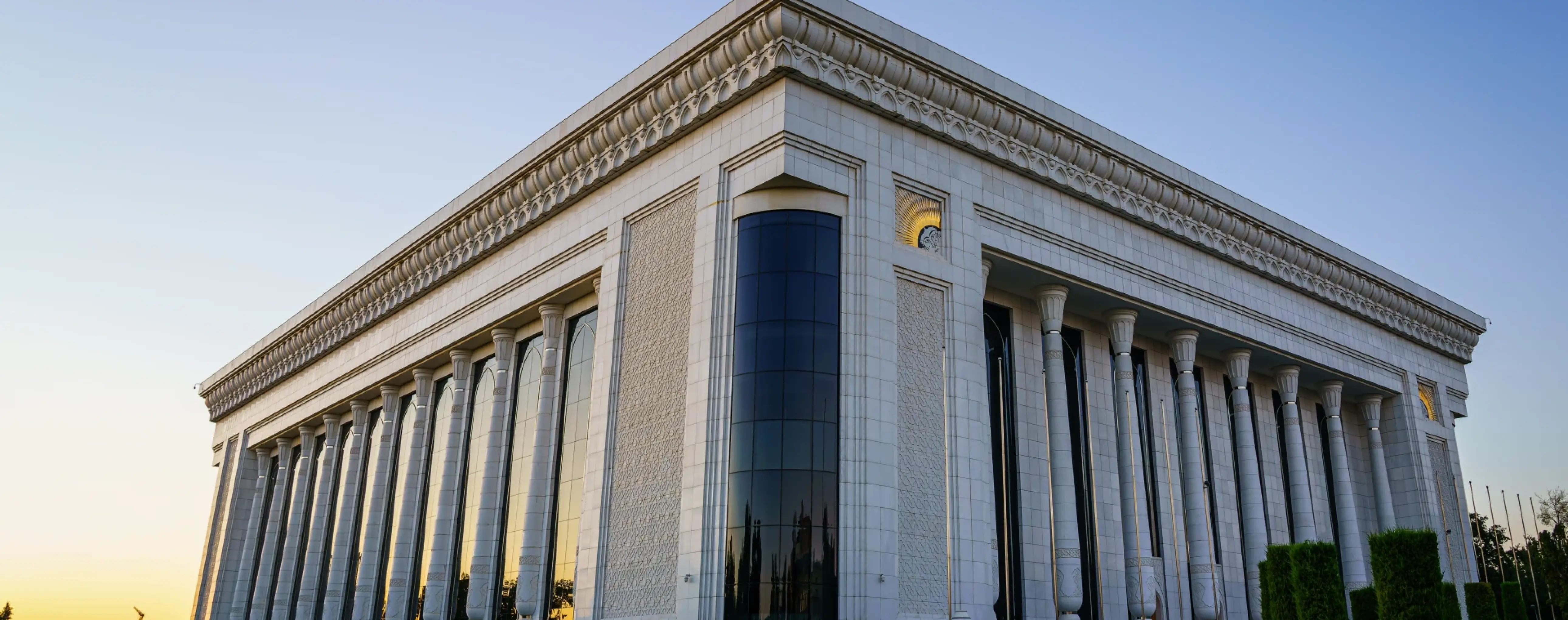
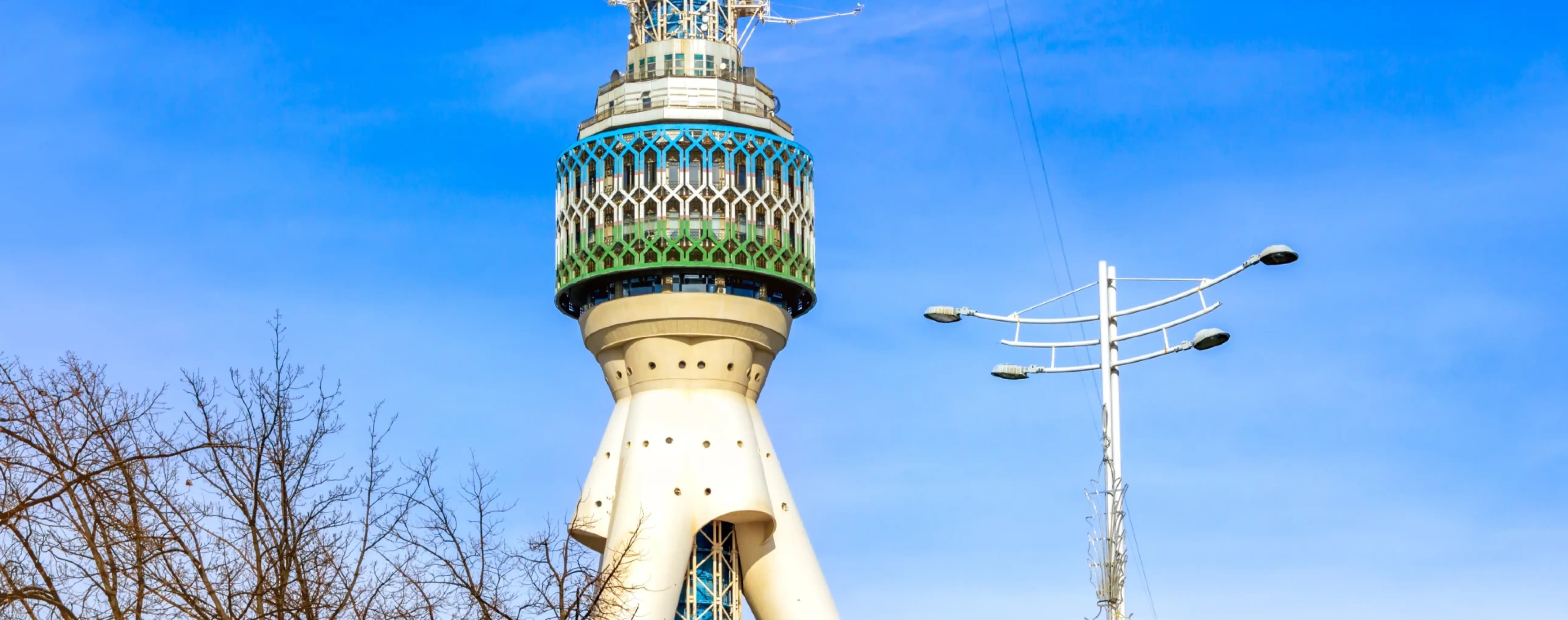
In Tashkent, restored Islamic monuments appear within a wider urban landscape defined by Soviet-era avenues and rebuilding after the 1966 earthquake. The Khast Imam Complex is one of the city's most important religious and historic sites, and it is associated with the famous Samarkand Kufic Quran, one of the best-known Islamic manuscripts linked to Uzbekistan. Chorsu Bazaar remains one of the best-known market landmarks, while Amir Timur Square and Independence Square mark major public and civic points, and the Tashkent Metro adds its decorated stations to the city's major attractions and places to visit.
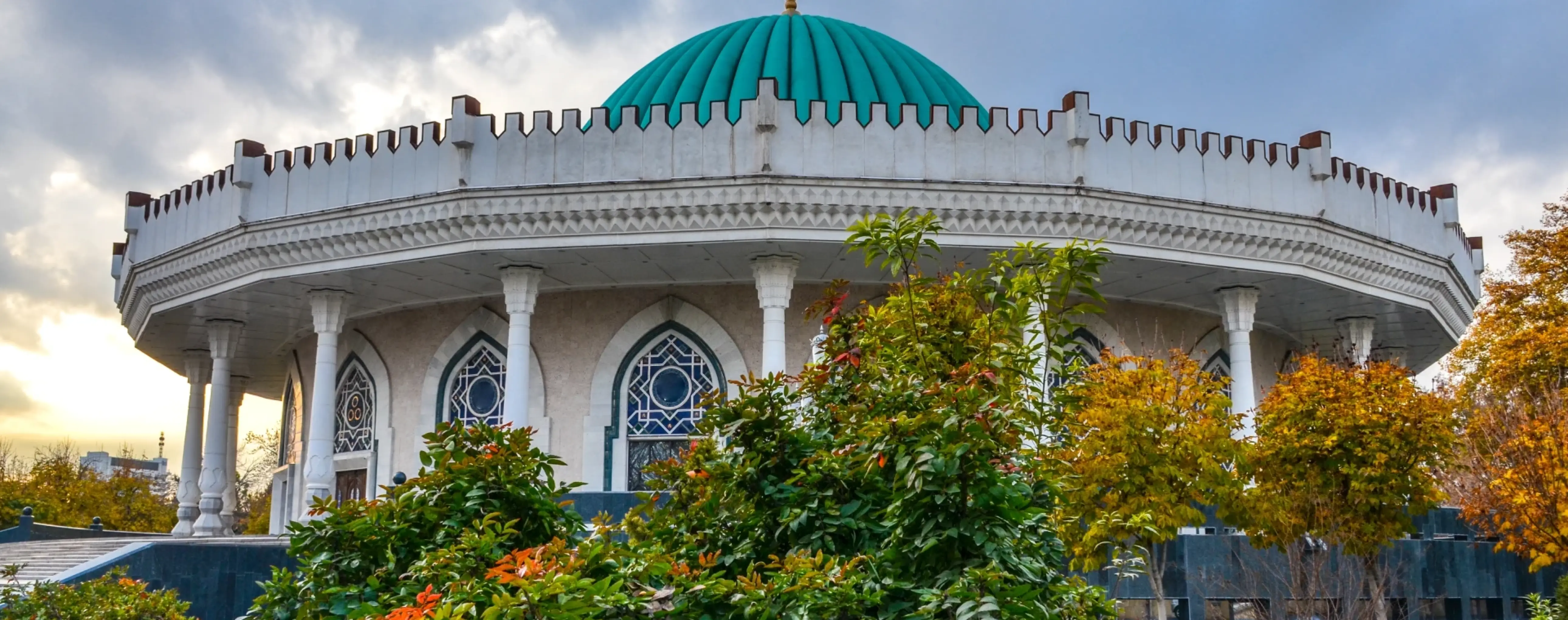
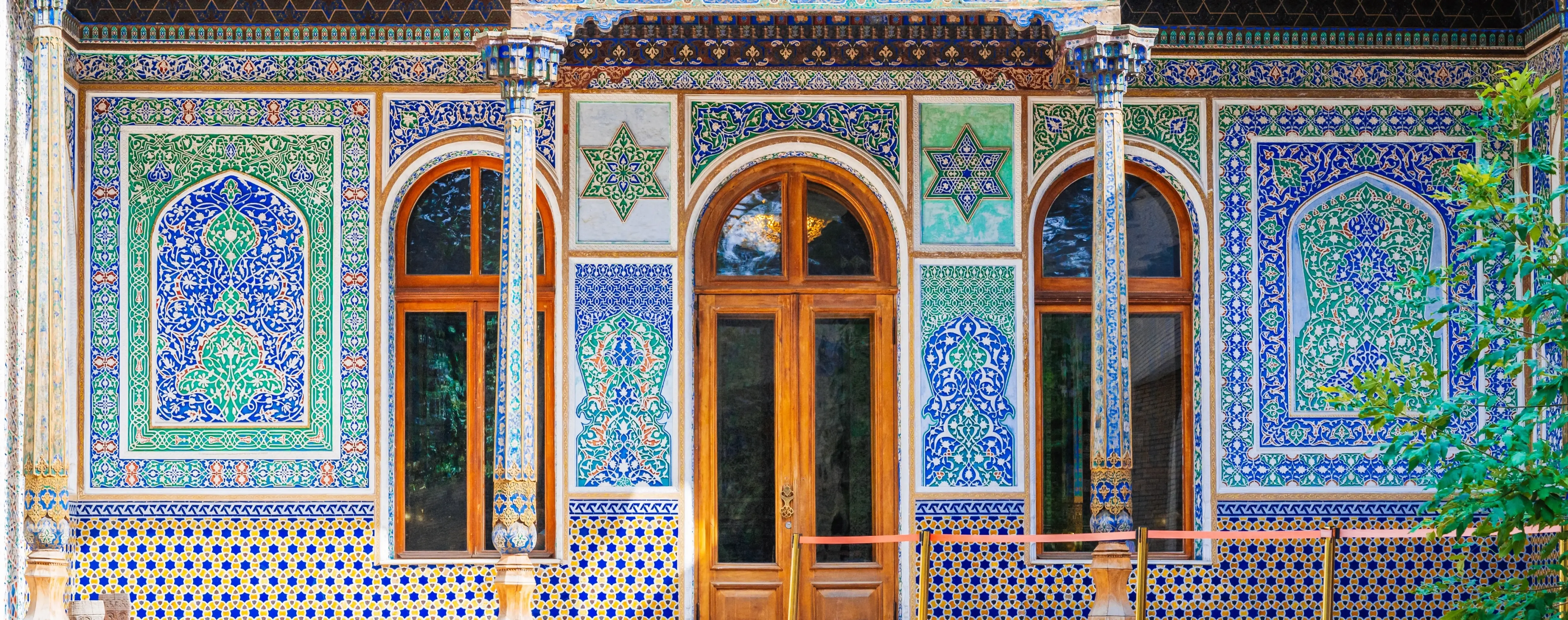
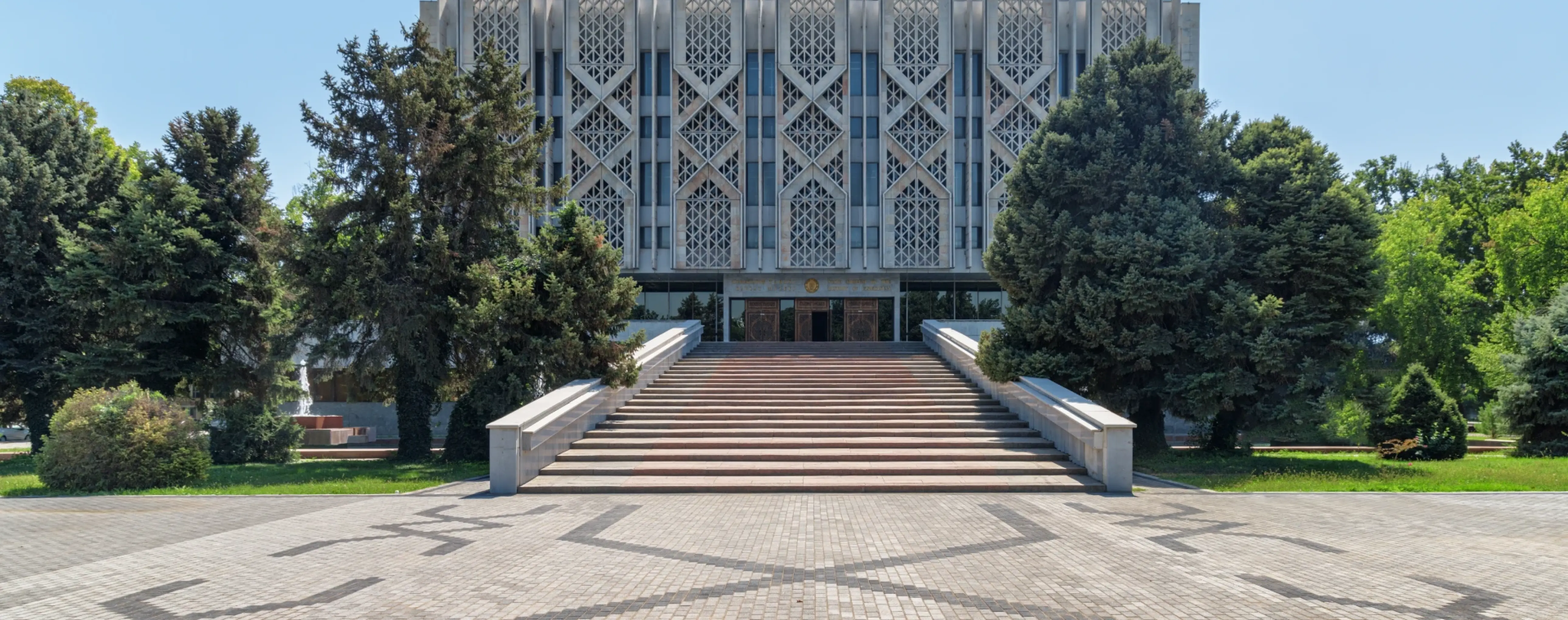
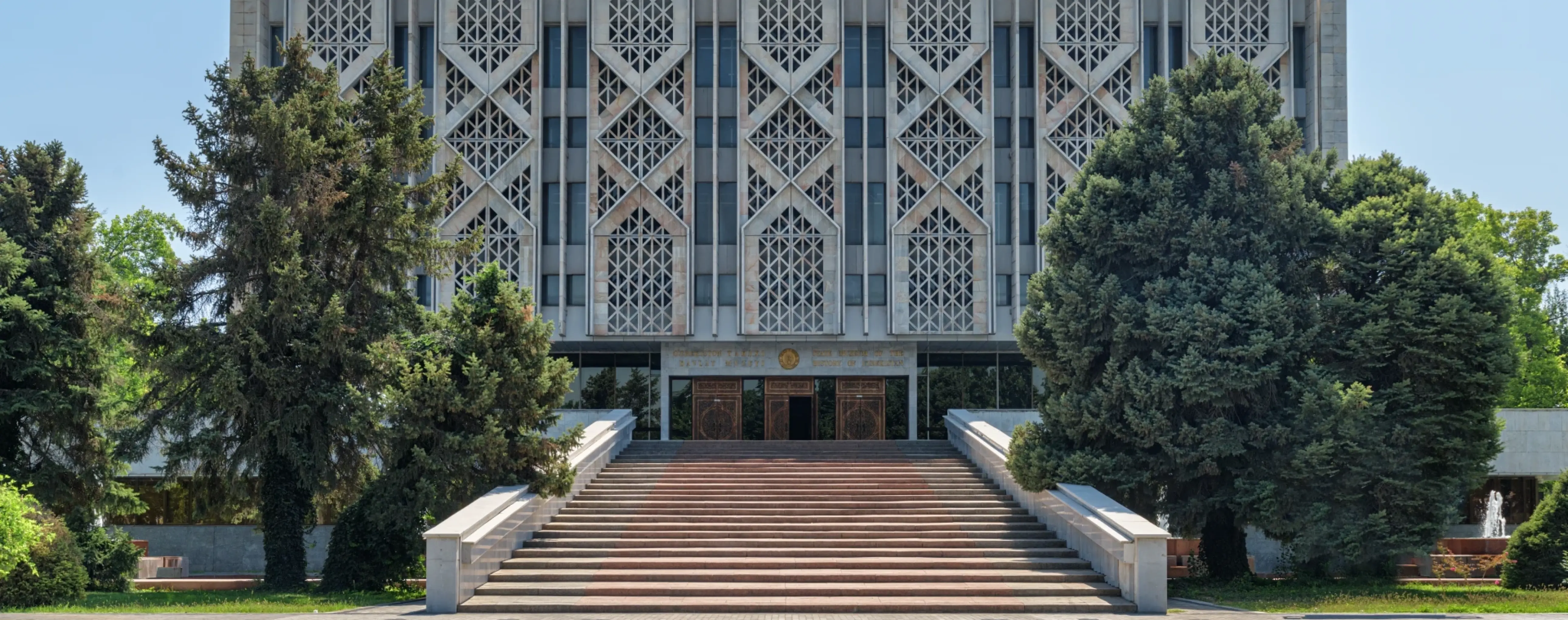
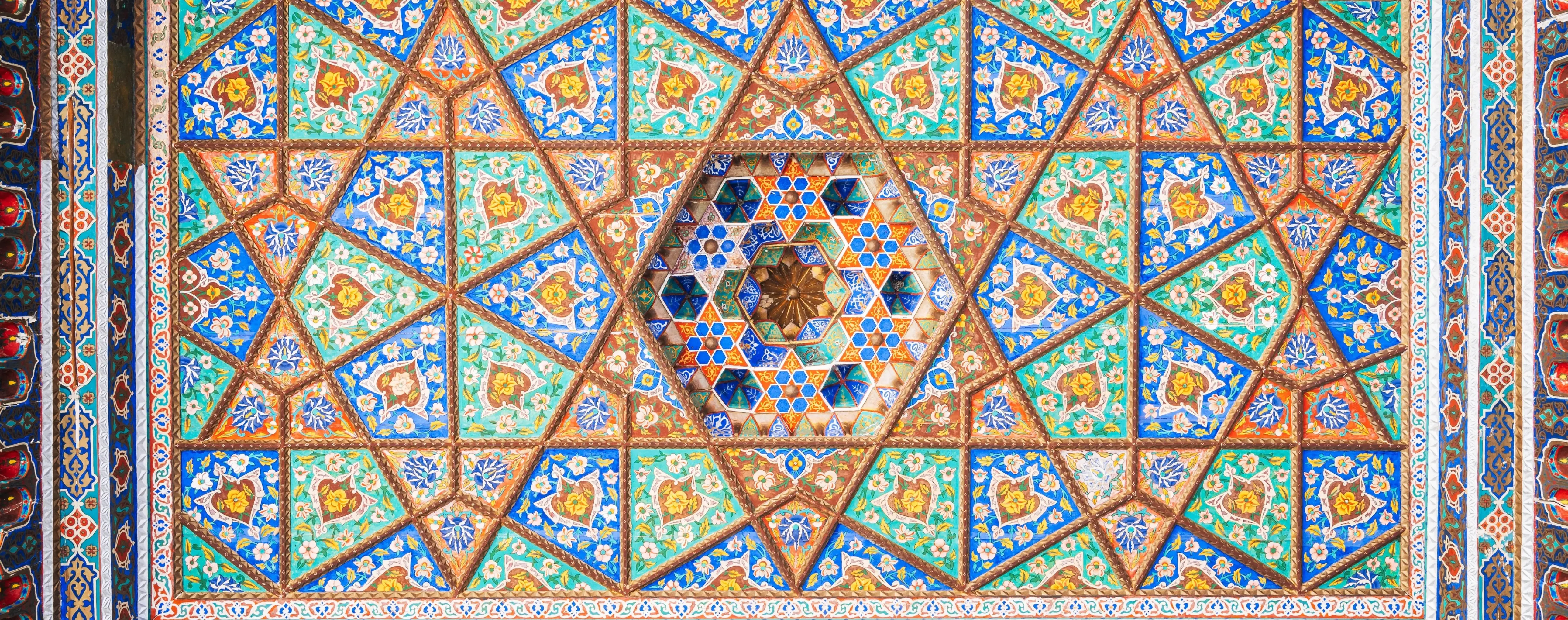
The Museum of Applied Arts is the main museum stop named in the source facts, and it matters most for visitors interested in Uzbek decorative traditions and craftsmanship. Tashkent's natural setting is the plain of the Chirchiq River basin, so the city is generally flat rather than defined by coastline or mountain scenery. No marina or harbor function is stated in the source facts.
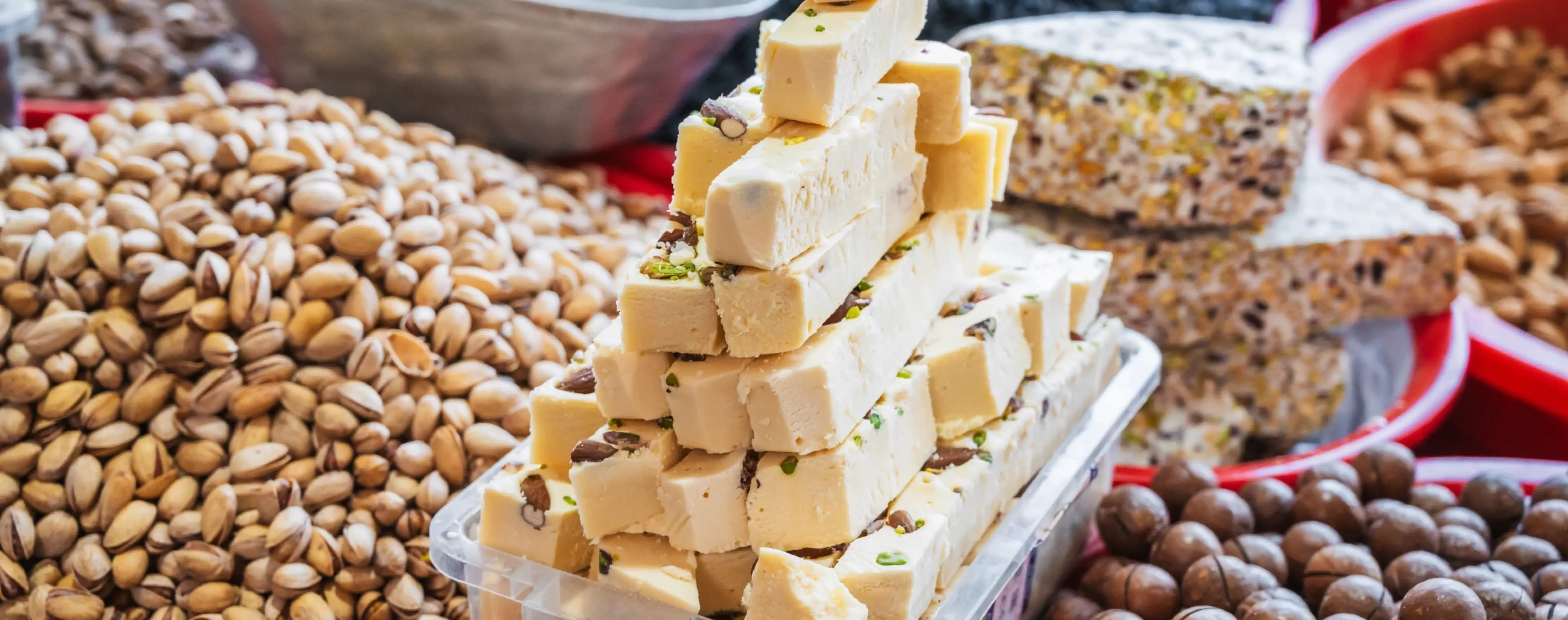
At Chorsu Bazaar, visitors can browse food halls and produce sections; on the Tashkent Metro, they can ride between stations to see the design; and around Amir Timur Square and Independence Square, they can explore the city's central public spaces. The Alisher Navoi Theater adds the option of opera or ballet. Together, these are among the main things to do and help answer what to do beyond simply viewing monuments. Local dining includes Uzbek dishes such as plov, samsa, shashlik, and non bread.
City Details
City overview – facts & data for travelers
Major international airports – full list
Best tours and travel experiences across the continent
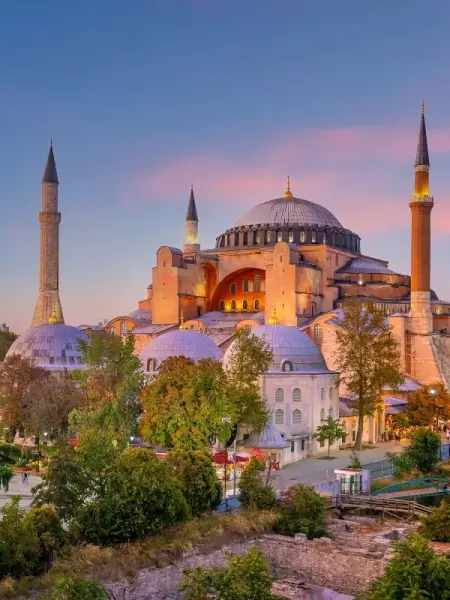
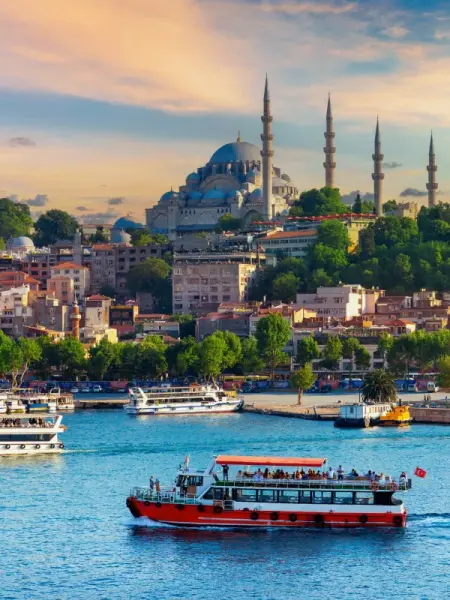
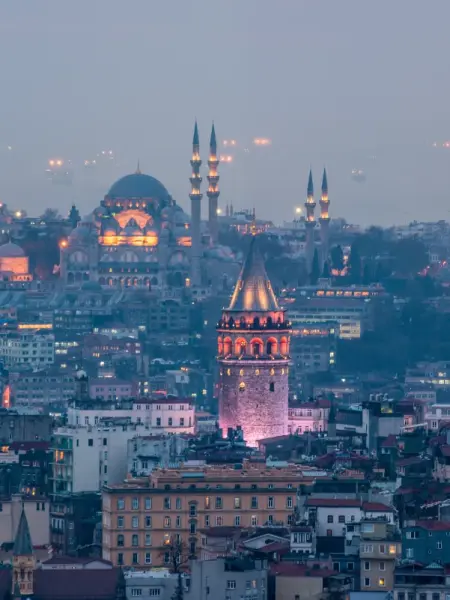

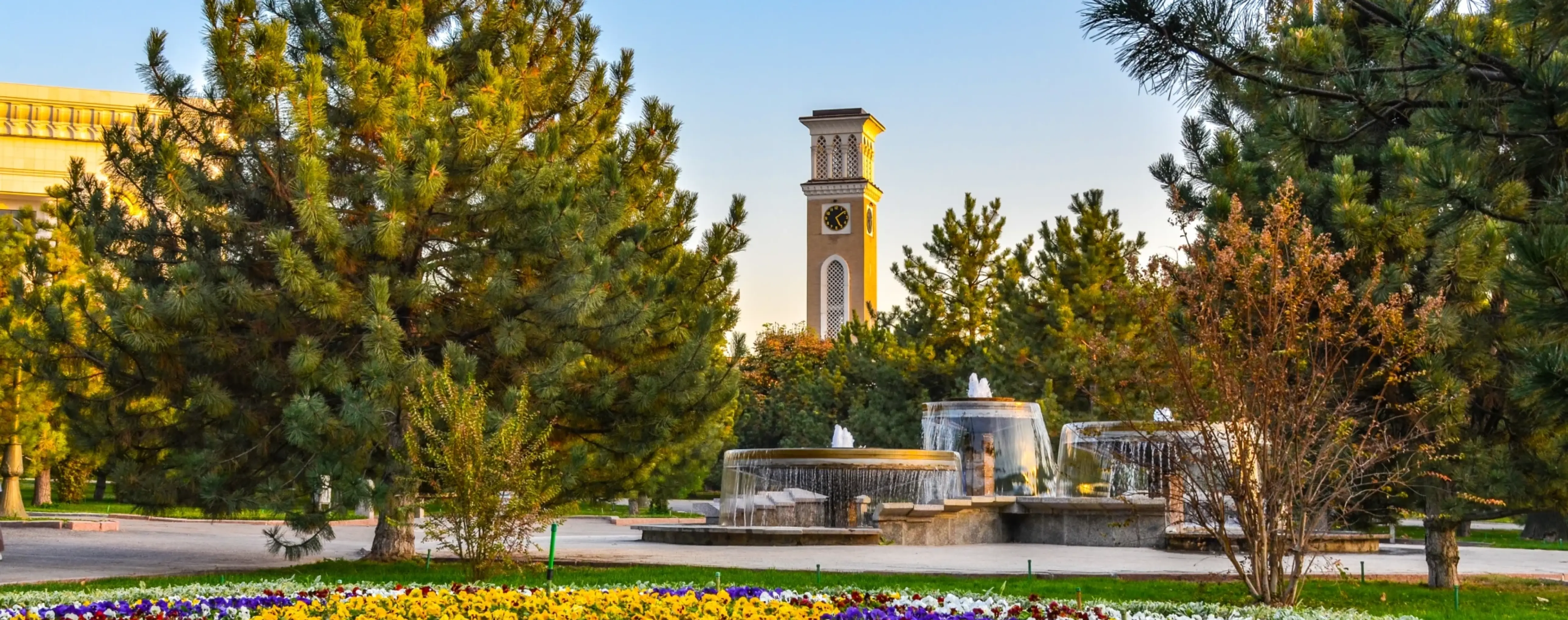
Tashkent views
Guided tours, popular attractions, and top-rated hotels across the continent