
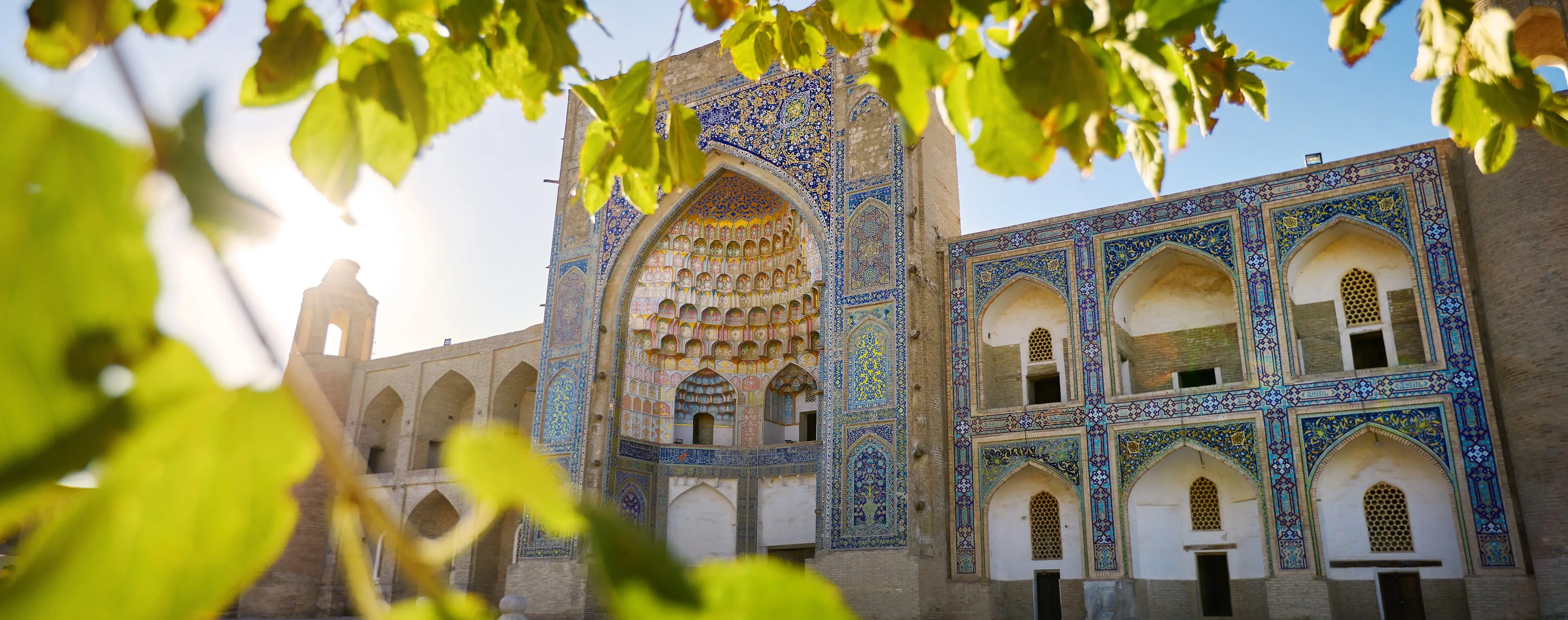
Abdulaziz Khan Madrasah
Abdulaziz Khan Madrasah in Bukhara, Uzbekistan
The Abdulaziz Khan Madrasah is located in the historic center of Bukhara, opposite the Ulugh Beg Madrasah. Together, these two buildings form a traditional paired kosh ensemble, clearly visible in the urban landscape of old Bukhara. For tourists, this is one of the convenient places to compare the architecture of two different periods - the early 15th century and the mid-17th century.
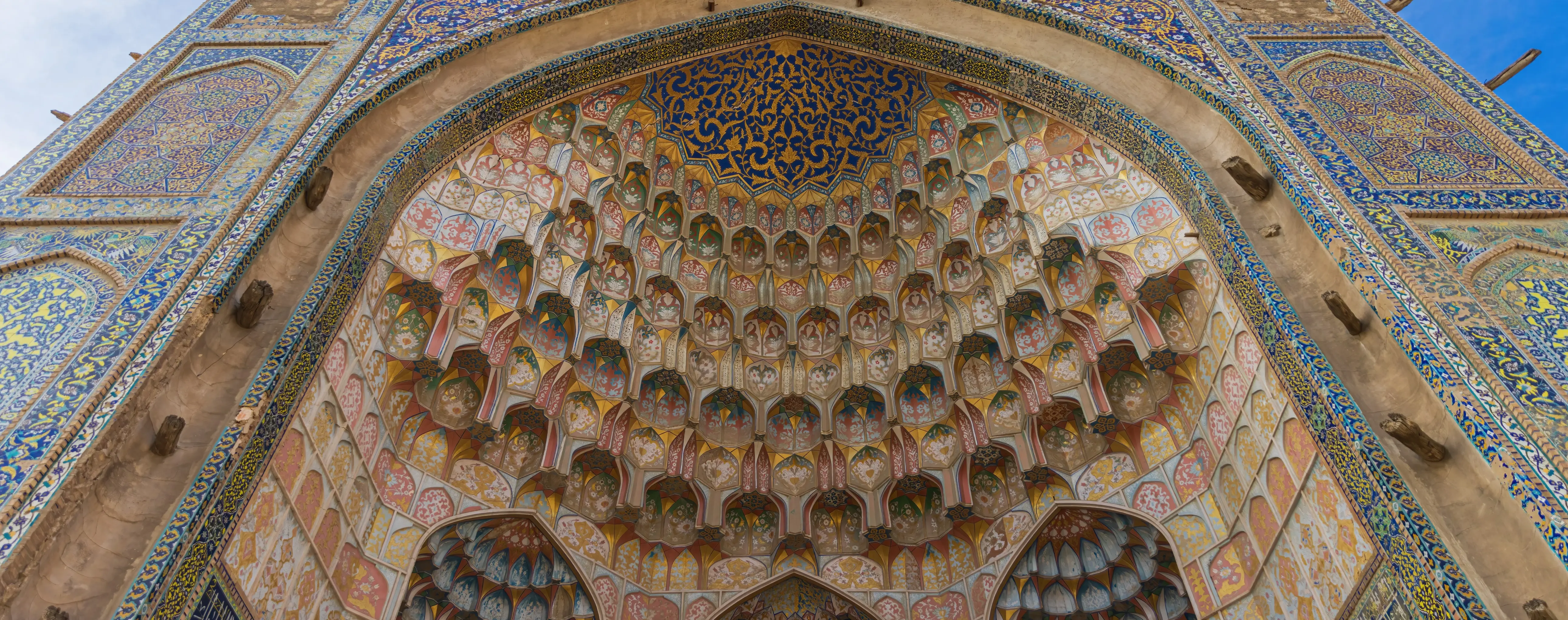
The madrasah was built in 1652 by order of the Ashtarkhanid ruler Abdulaziz Khan. Its architecture continues Bukhara's building traditions, but the decorative design here is considerably more complex and elaborate than in earlier monuments. The main facade stands out for its abundance of ornament, colorful cladding, and finely crafted details.
Of particular interest is the decor: in addition to the usual geometric and floral patterns, the design includes images of birds and fantastic creatures, which is quite unusual for monuments of Islamic architecture in the region. Inside, mosque rooms and elements of ceremonial decoration have been preserved, allowing visitors to appreciate the high level of craftsmanship of Bukhara's 17th-century masters.
The Abdulaziz Khan Madrasah is of interest to those who want to see not only Bukhara's famous monuments, but also the differences between the austere architecture of the Timurid era and the more decorative style of a later period. A visit can easily be combined with a walk through the old city and stops at nearby madrasahs, trading domes, and other historic sites in the area.
Abdulaziz Khan Madrasah on the map
Bukhara, Old City of Bukhara: Architectural and historical complexes
Alim Khan Madrasa, Gaukushon Religious Ensemble, Ulugbek Tamokifurush Caravanserai, Chor Minor Madrasa
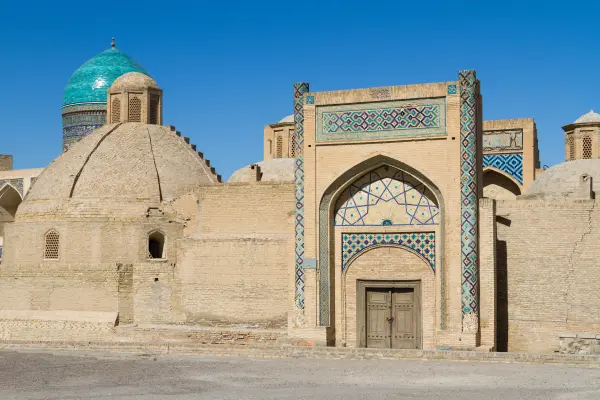
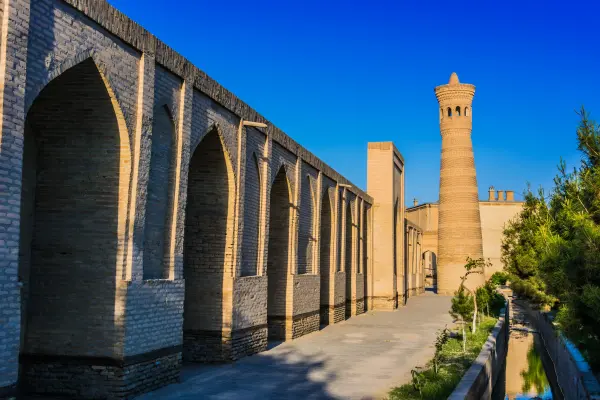
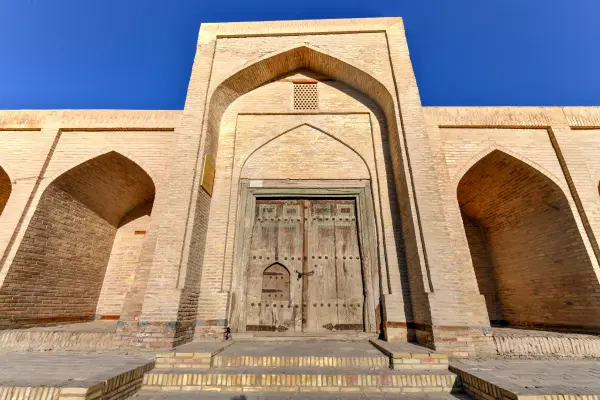
The Abdulaziz Khan Madrasah and Its Decorative Features
This monument shows how Bukhara's architecture changed in the 17th century.
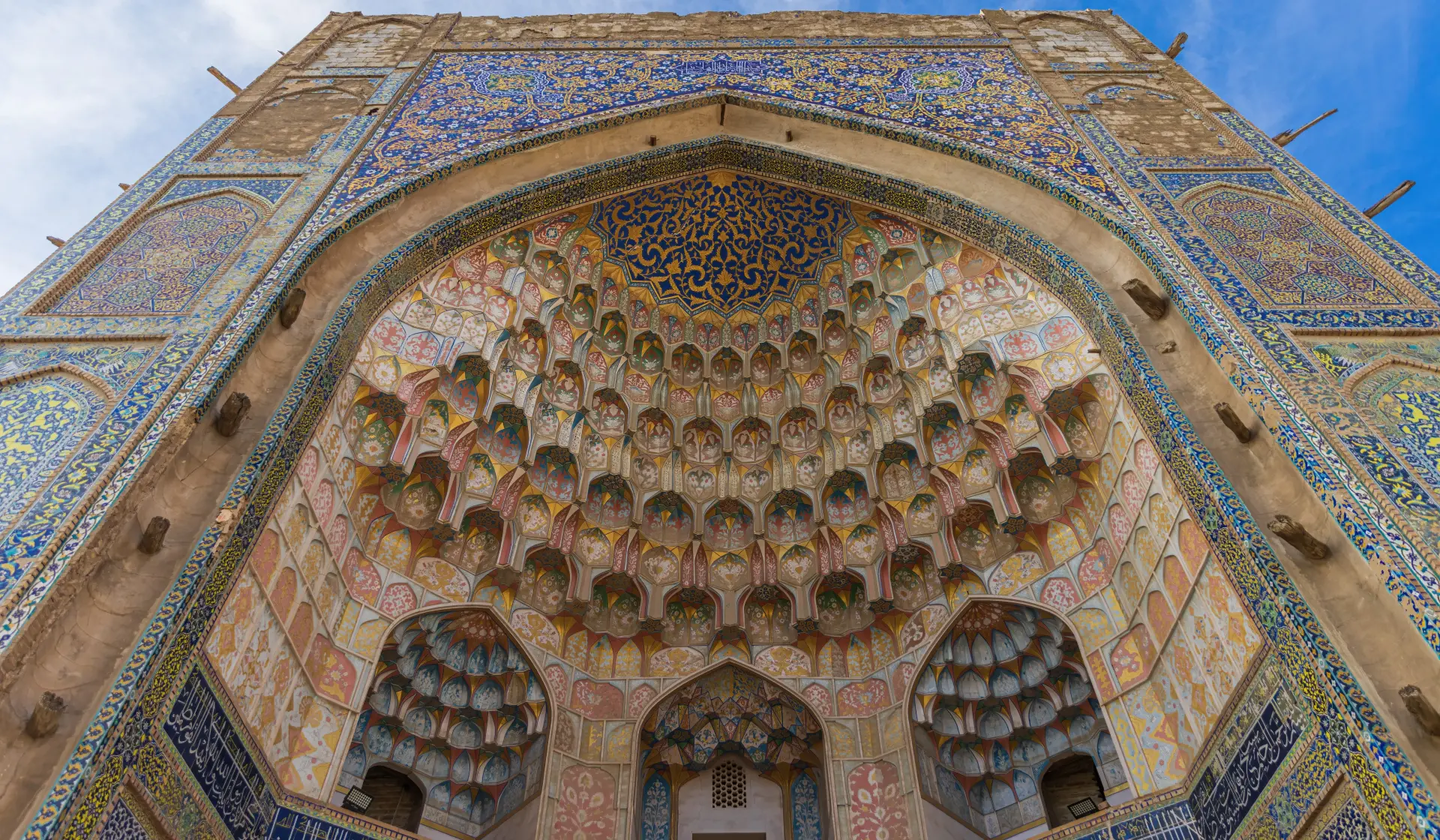
Lavish 17th-century decoration opposite Ulugh Beg's austere facade
When visiting, it is worth paying attention to the portal, the mosaic decoration, and the carved details, which create a more ornate appearance than that of most earlier Bukhara madrasahs. In the inner courtyard, hujras - small cells for students - were traditionally located, and the layout of the complex reflects the structure of a classical educational institution of the Islamic East.
In the interiors, visitors can see richly decorated ceilings, paintings, and decorative elements of the mosques associated with winter and summer use. Researchers note that the ornament shows motifs echoing the artistic traditions of Iran, India, and China, which speaks to Bukhara's cultural contacts in the 17th century.
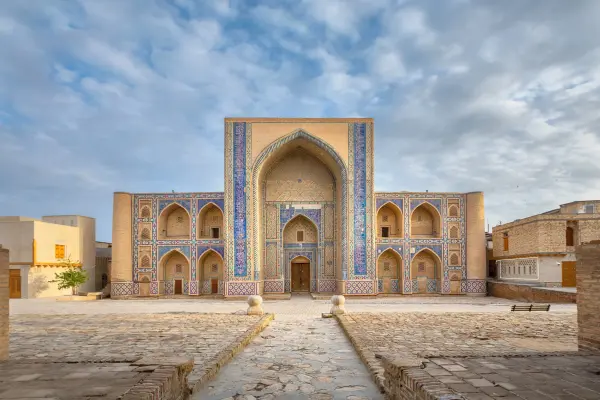
The madrasah is especially interesting to view together with the Ulugh Beg Madrasah located opposite: this proximity makes it possible to clearly see how proportions, ornament, and artistic preferences changed over the course of two centuries. Nearby are also the trading domes of old Bukhara, Lyabi-Hauz Square, and other monuments of the historic center.
Visitors usually reach the madrasah on foot during a walk through the historic center of Bukhara, since most of the old city's well-known sights are located within a short distance of one another.
Best tours and travel experiences across the continent

Photos of the madrasah
Guided tours, popular attractions, and top-rated hotels across the continent


