
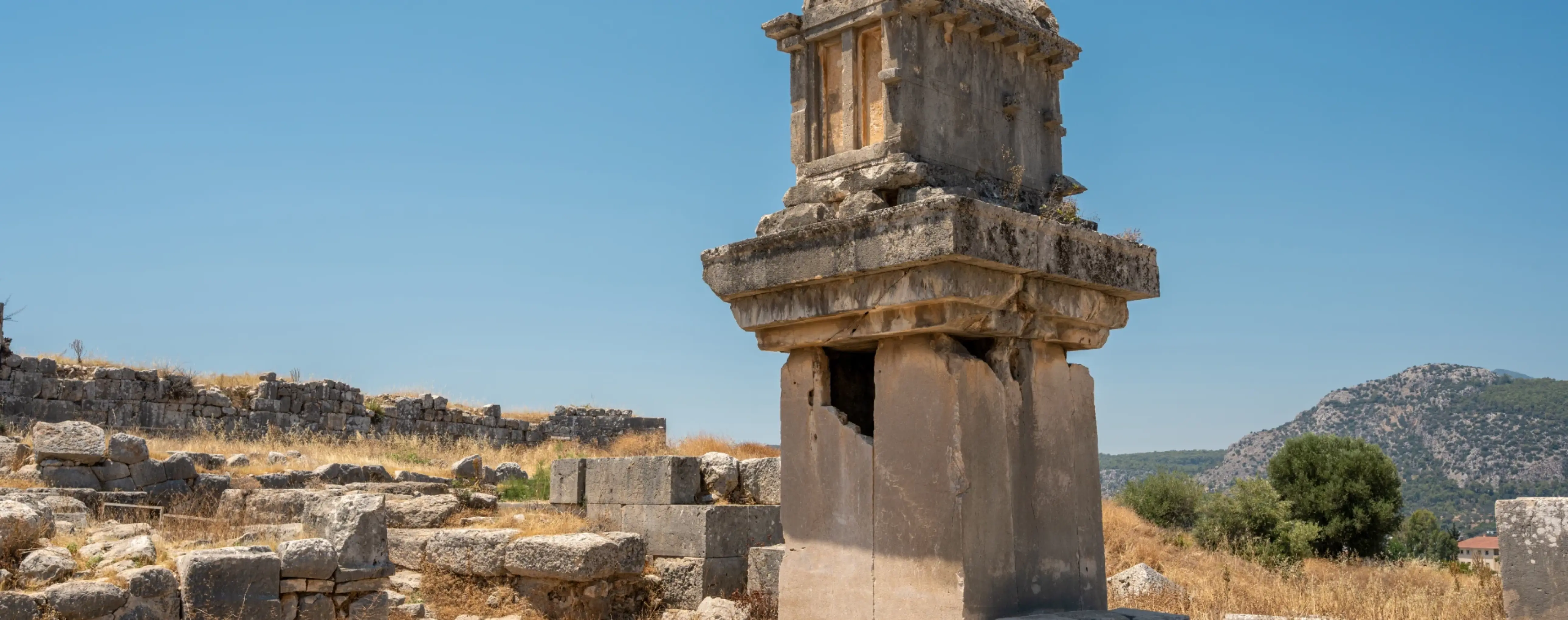
Ancient City of Xanthos
Ancient City of Xanthos in Fethiye, Turkey
The ancient city of Xanthos is located in the Fethiye district, in southwestern Turkey, in the valley of the Xanthos River. It is one of the most well-known archaeological sites of ancient Lycia. Together with the sanctuary of Letoon, it is included in the UNESCO World Heritage List. In Lycian inscriptions, the city is mentioned under the name Arnna.
The history of Xanthos spans many centuries - from the early 1st millennium BC to the Roman period. The city came under Persian rule, then fell within the sphere of influence of Alexander the Great, and later became part of the Lycian League and the Roman province. Thanks to ancient sources and archaeological finds, Xanthos is considered one of the key places for studying the history and culture of Lycia.
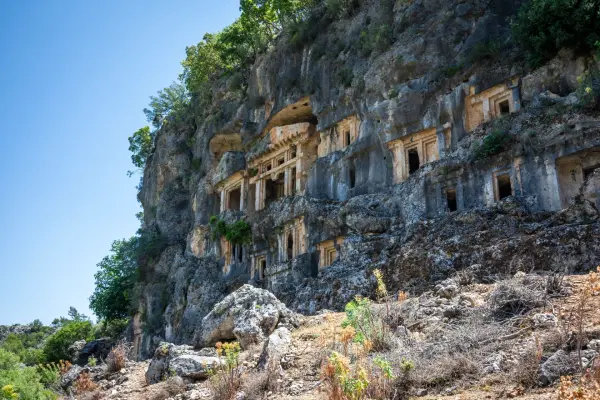
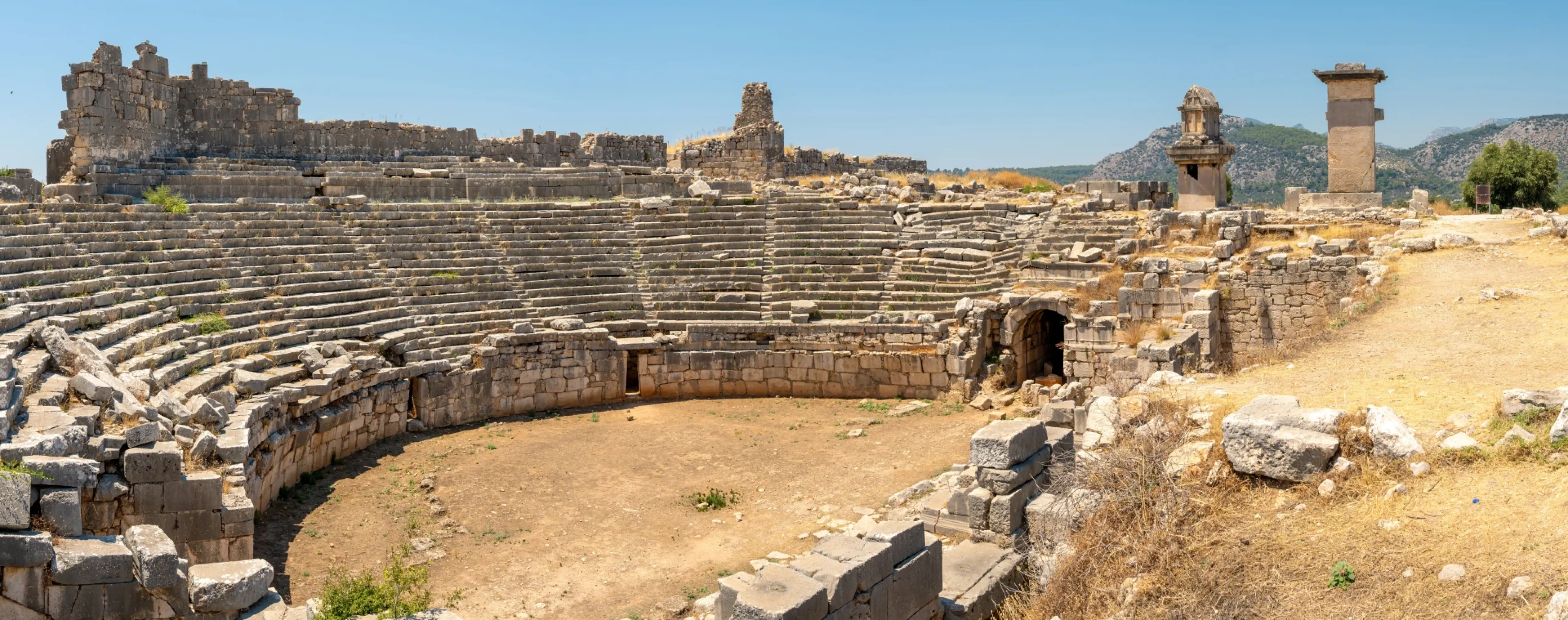
Within the site, the ruins of a theater, sections of the acropolis, remains of the city walls, sarcophagi, rock-cut tombs, and the foundations of public buildings have been preserved. The Lycian funerary monuments are especially famous, showing a noticeable combination of local traditions and Greek influence. Here, visitors can see the region's characteristic rock-cut facade tombs and freestanding tower-type mausoleums.
Xanthos is interesting not only for its architecture, but also for its important discoveries. This site is associated with such famous monuments as the Harpy Tomb and the Nereid Monument, sculptural parts of which are now housed in the British Museum. The Xanthian Obelisk was also found here - one of the important sources on the Lycian language and writing. For tourists, this place is of interest as one of the most informative archaeological sites in the Fethiye region.
Ancient City of Xanthos on the map
Fethiye: Ancient cities and ruins
Ancient City of Pinara, Tlos Citadel
Ancient City of Xanthos and Lycian Monuments
The ruins of a city linked to the history of Lycia have been preserved here.
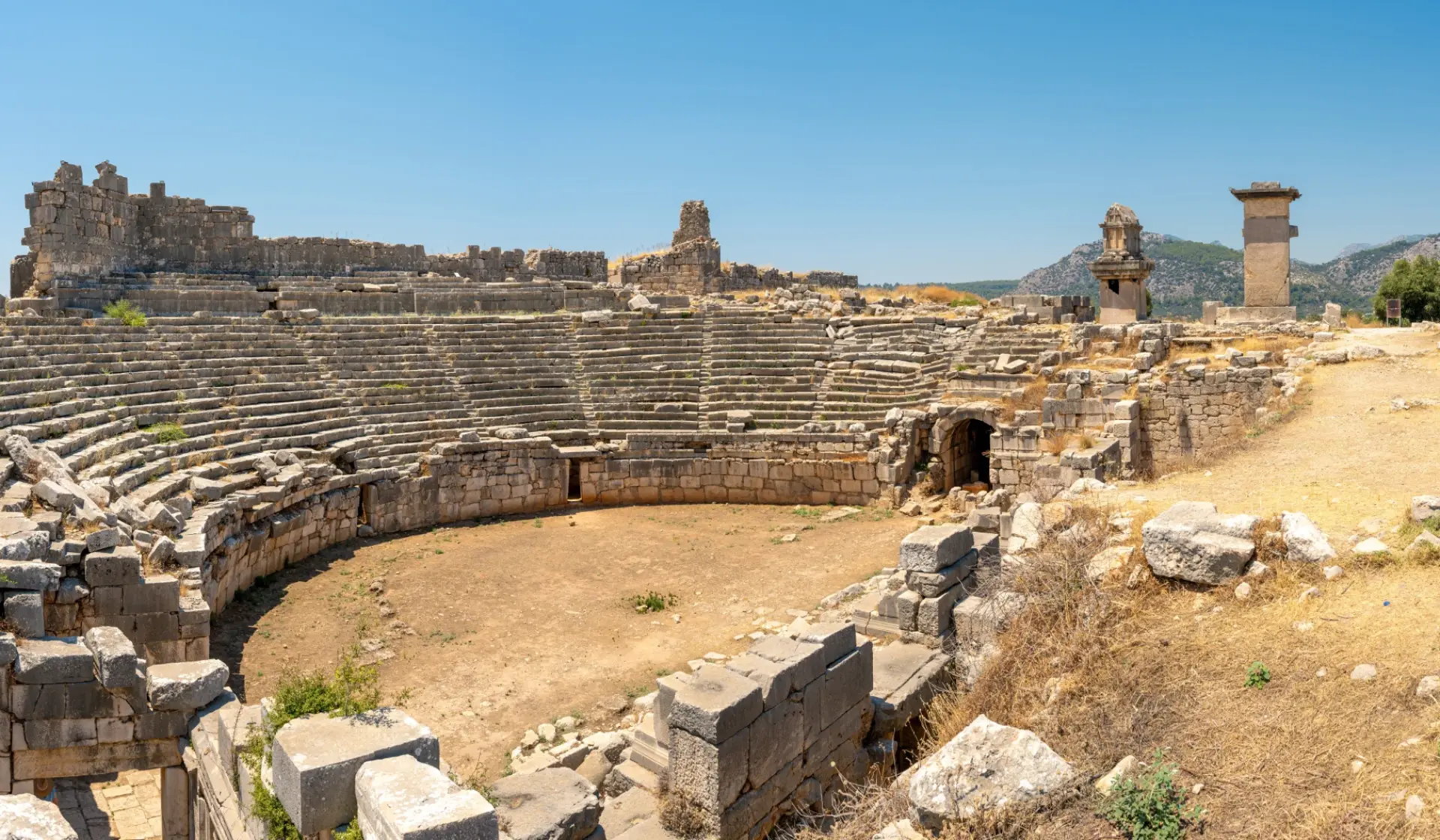
Lycian tombs, theater, and traces of the ancient acropolis
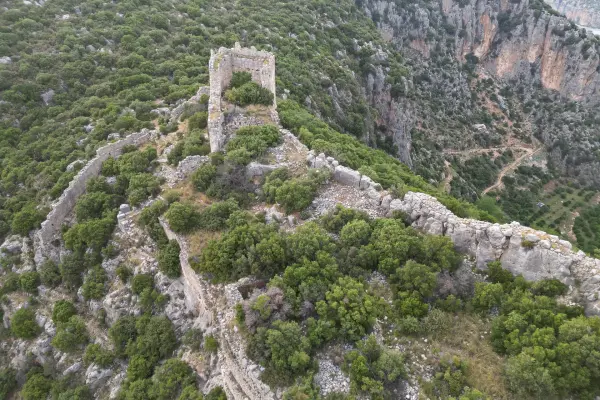
During a walk around the site of Xanthos, visitors can explore the ruins of the ancient theater, fragments of streets and stairways, remains of fortifications, and elevated areas where the acropolis once stood. The layout of the terrain helps to imagine the structure of the ancient city, while the surviving stone constructions provide an idea of the different stages of its development - from the Lycian period to Roman times.
The funerary structures usually attract special attention. In Xanthos, there are rock-cut tombs with facades carved into the rock, sarcophagi on high bases, and monumental funerary monuments characteristic specifically of Lycia. Many decorative details have been lost, but even from the surviving forms, it is easy to notice the difference between the local tradition and later classical influence.
It is worth choosing comfortable shoes for the visit: the archaeological zone is uneven, in places rocky, and exposed to the sun. Near Xanthos, visitors often also visit the sanctuary of Letoon, which is relatively close and historically connected to it. It is usually most convenient to get here by car or as part of an excursion from Fethiye.
Best tours and travel experiences across the continent




Photos of Xanthos
Guided tours, popular attractions, and top-rated hotels across the continent


