Diyarbakir Turkey travel guide to City Walls
Diyarbakir, Turkey
Diyarbakir lies in Turkey's Southeastern Anatolia Region, in its eastern part, and is an inland city rather than a coastal one. It is a major historic city in southeastern Turkey on the upper Tigris basin. Near the Tigris River, which shapes the landscape south and east of the old city, the terrain is flat and opens to views across the Tigris valley.
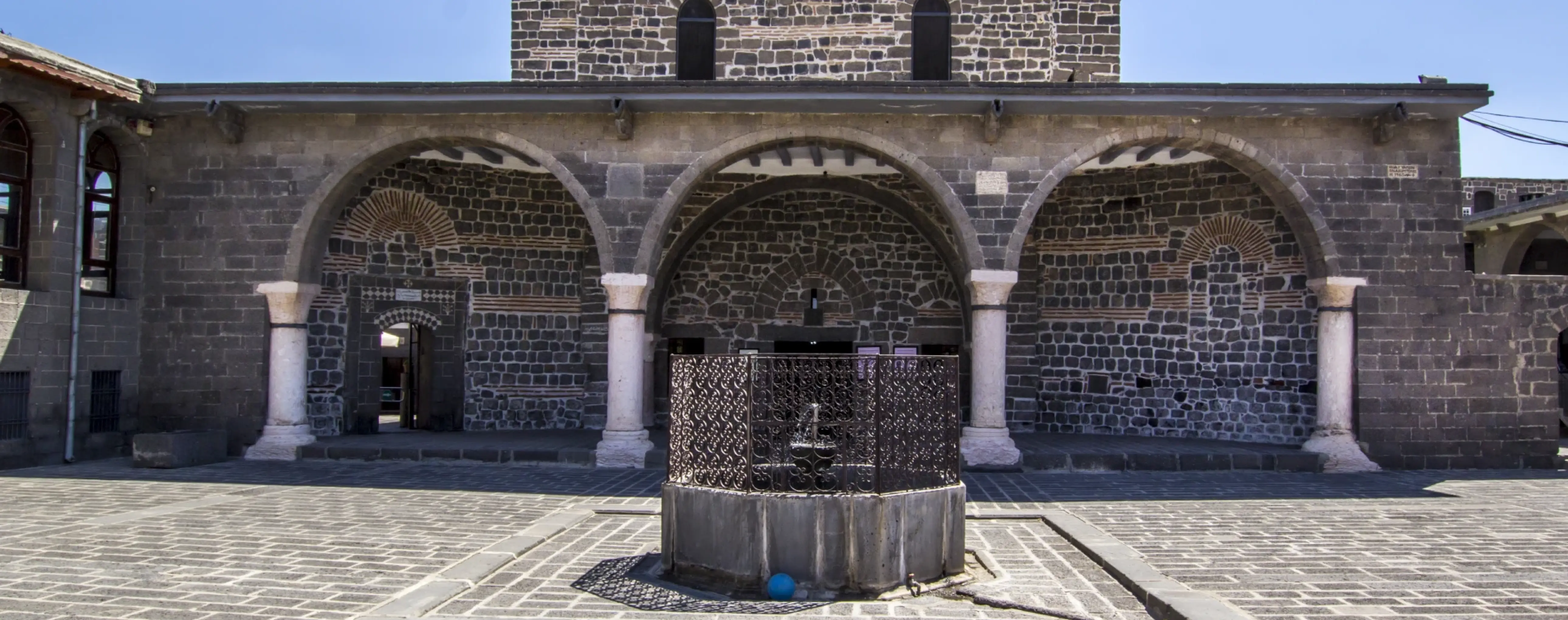
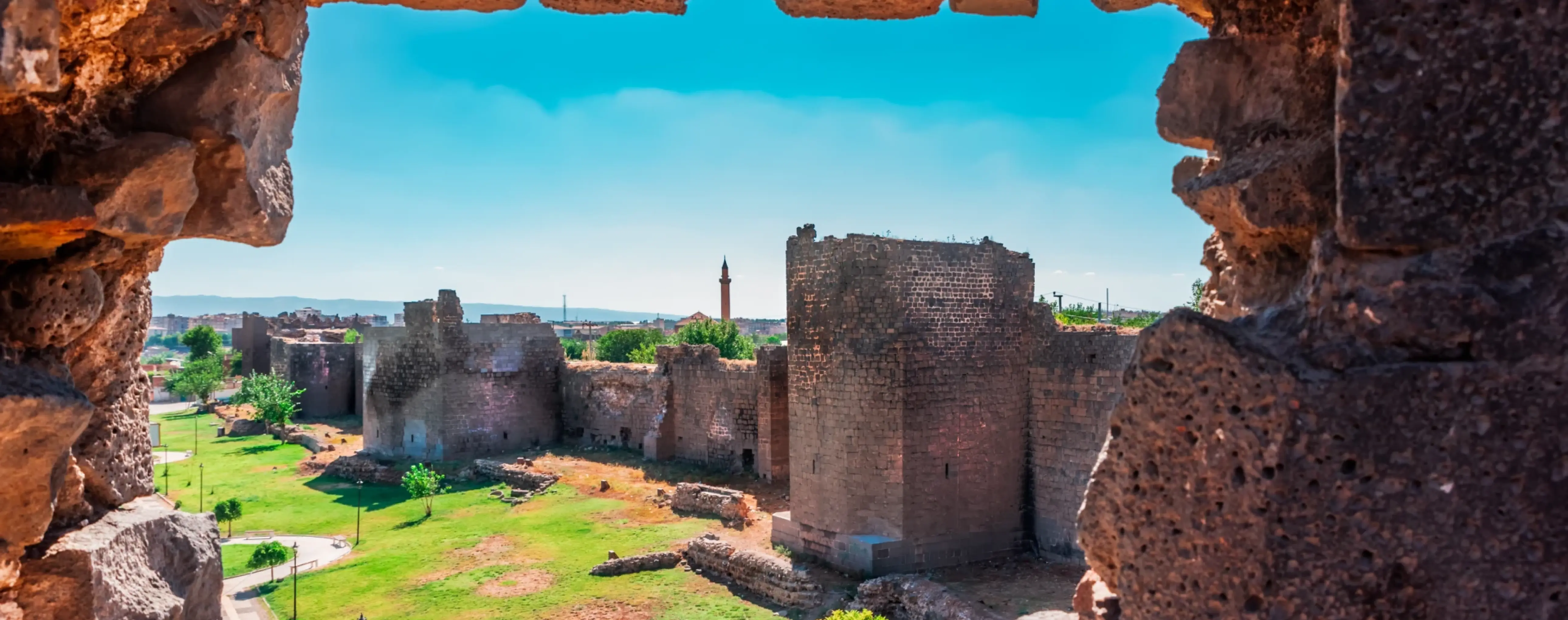
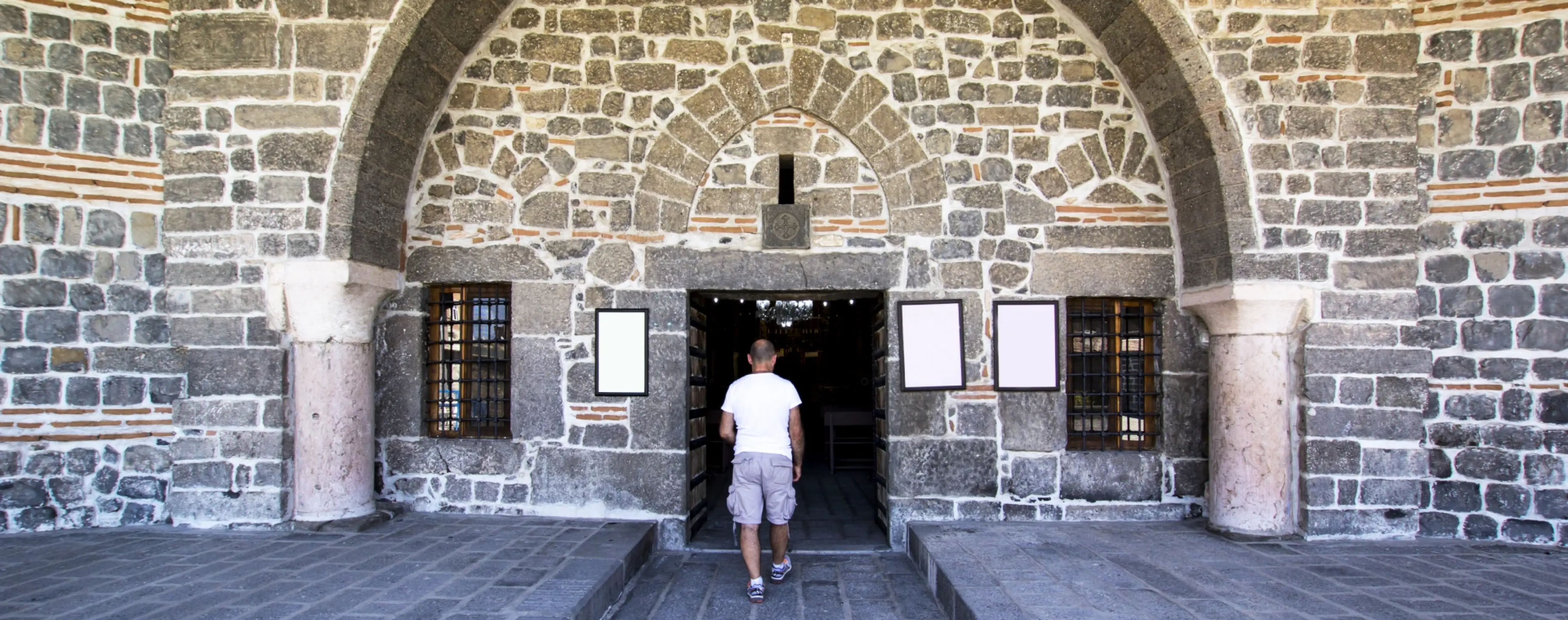
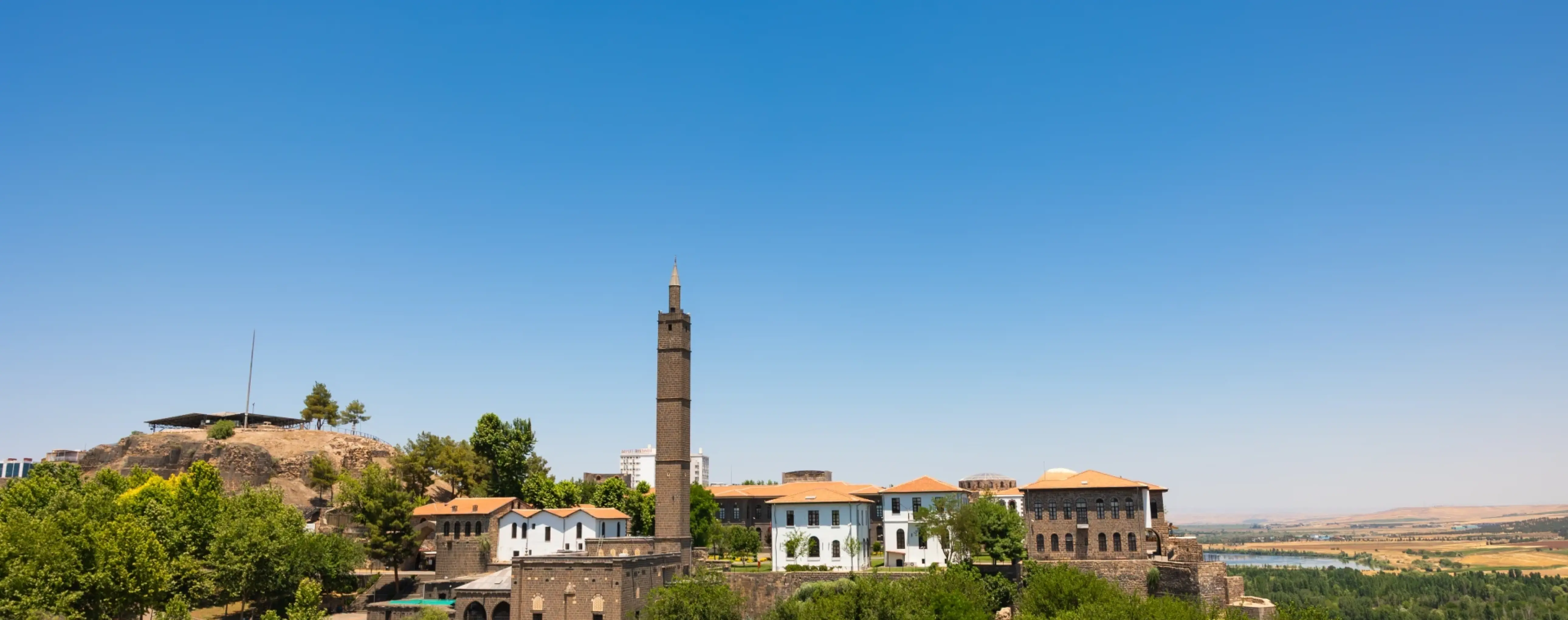
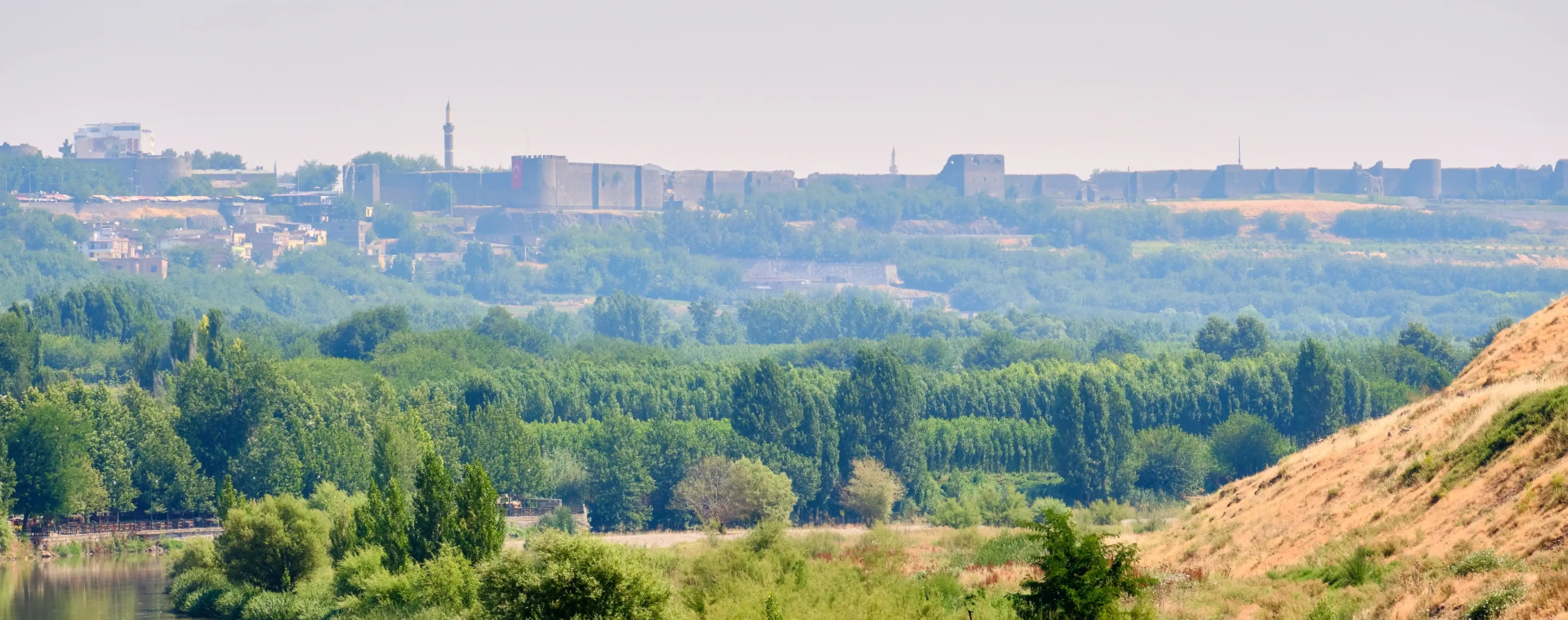
The city has a deep historical identity linked to the old name Amida, a reminder of its antiquity. Among the key surviving monuments are the massive black basalt city walls, Ulu Cami, Ic Kale, St. Giragos Armenian Church, and the adjacent Hevsel Gardens. Together, these layers reveal a long urban past through fortifications, religious monuments, heritage structures, and the historic green belt beside the old city, giving visitors a concentrated historic center where major monuments remain clearly visible on the ground.
Diyarbakir is better suited to heritage, architecture, walking, and regional culture than to resort-style leisure. Its dense historic core, distinctive dark basalt architecture, and riverside setting support a culture-focused city break of 1-2 days centered on walking and sightseeing. It works well for holidays or a travel guide focused on historic urban character, monuments, and local food.
Most visitors base themselves in Sur, where the historic center is concentrated and many of the principal monuments stand within or near the old walls. Ic Kale forms the inner citadel area, with heritage structures and museum spaces, while the area around the walls and Hevsel Gardens offers viewpoints toward the Tigris side of the city. Diyarbakir Airport gives practical access and is close to the urban center, while city buses, minibuses, and taxis support movement within the city.
The climate is continental, bringing very hot, dry summers and cooler winters. Spring and autumn are generally the most comfortable seasons for sightseeing and walking in the historic center. Peak summer heat is the main period to avoid for daytime walking.
Diyarbakir on the map
Diyarbakir: Attractions, interesting places for excursions
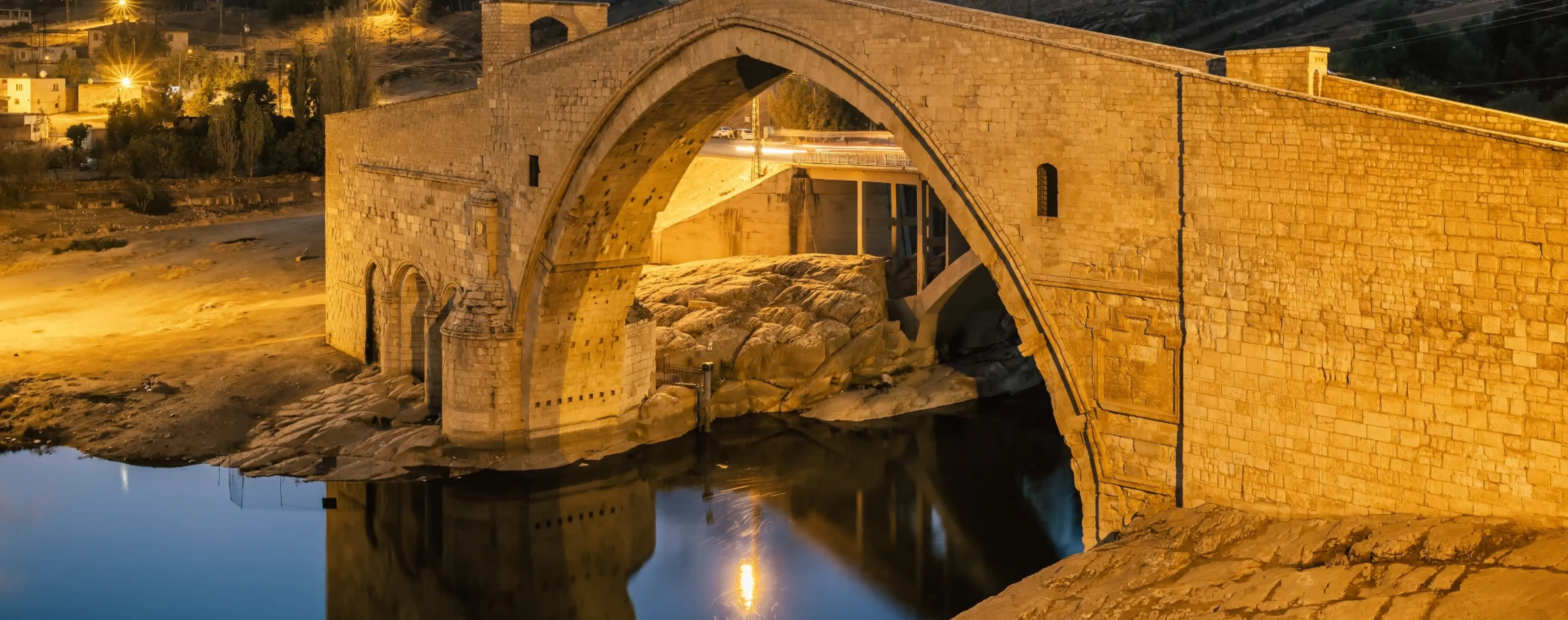
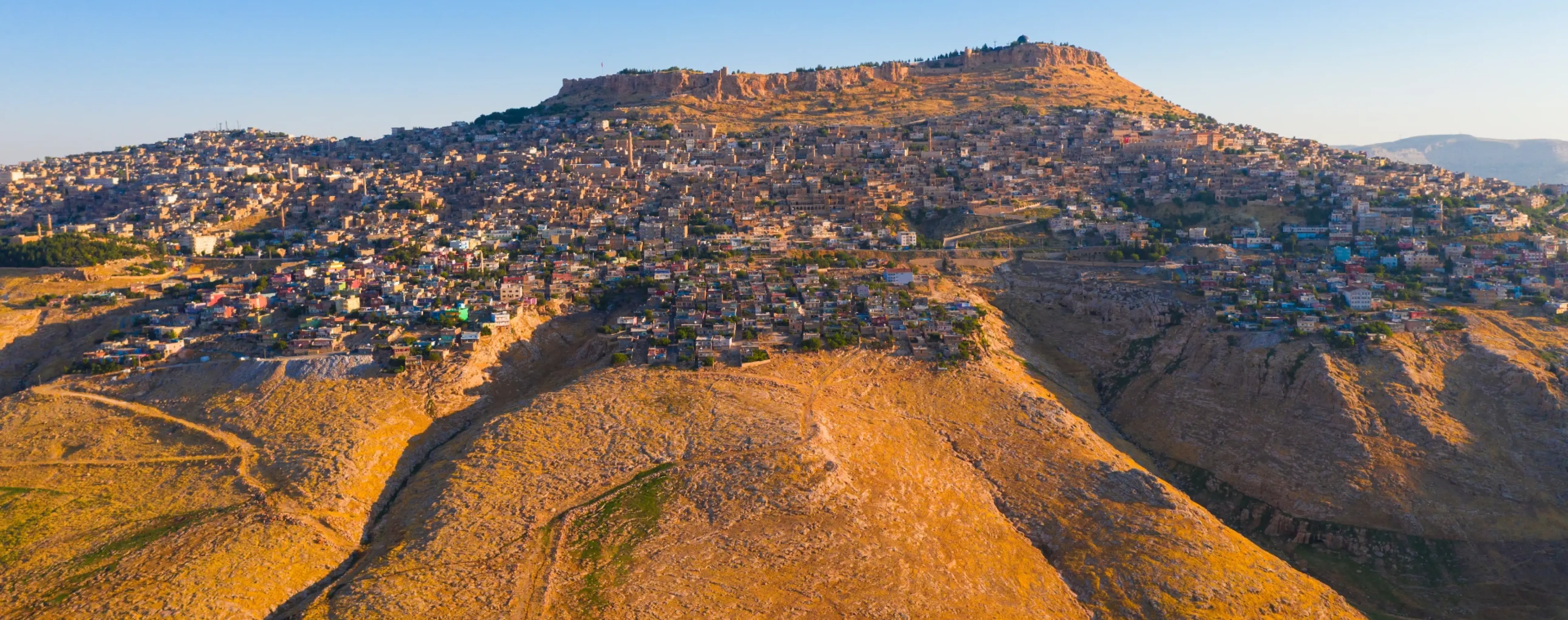
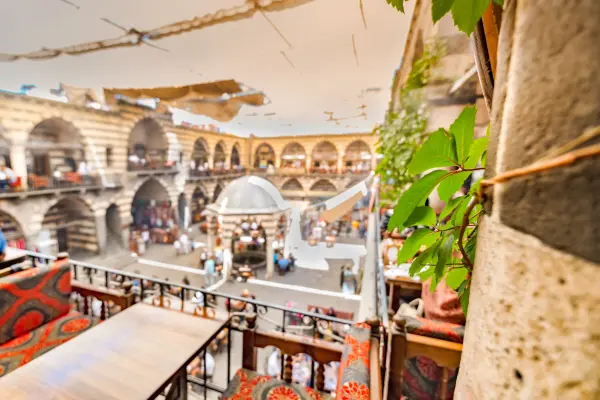
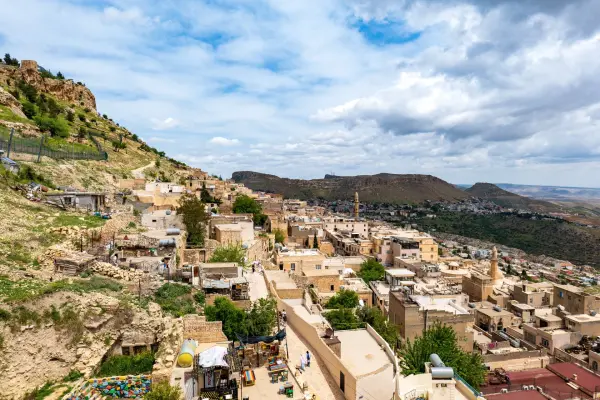
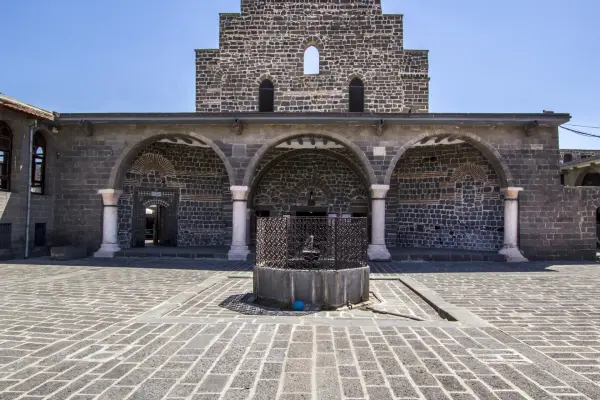
Diyarbakir City Walls, Hasan Pasha Caravanserai, Mardin - the Stone City, Syriac Church of the Virgin Mary
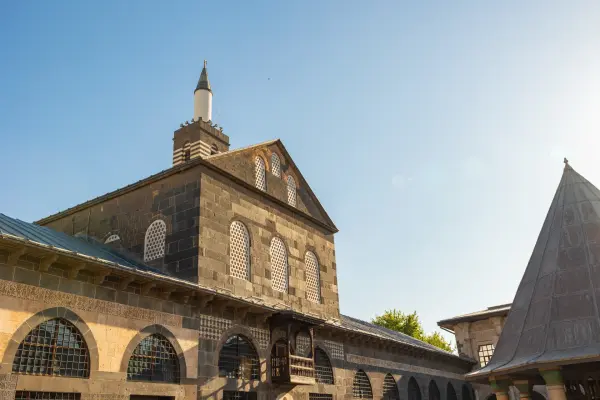
What to see in Diyarbakir, from Sur to Hevsel Gardens
Black basalt walls, Hevsel views, and courtyard meals in Sur
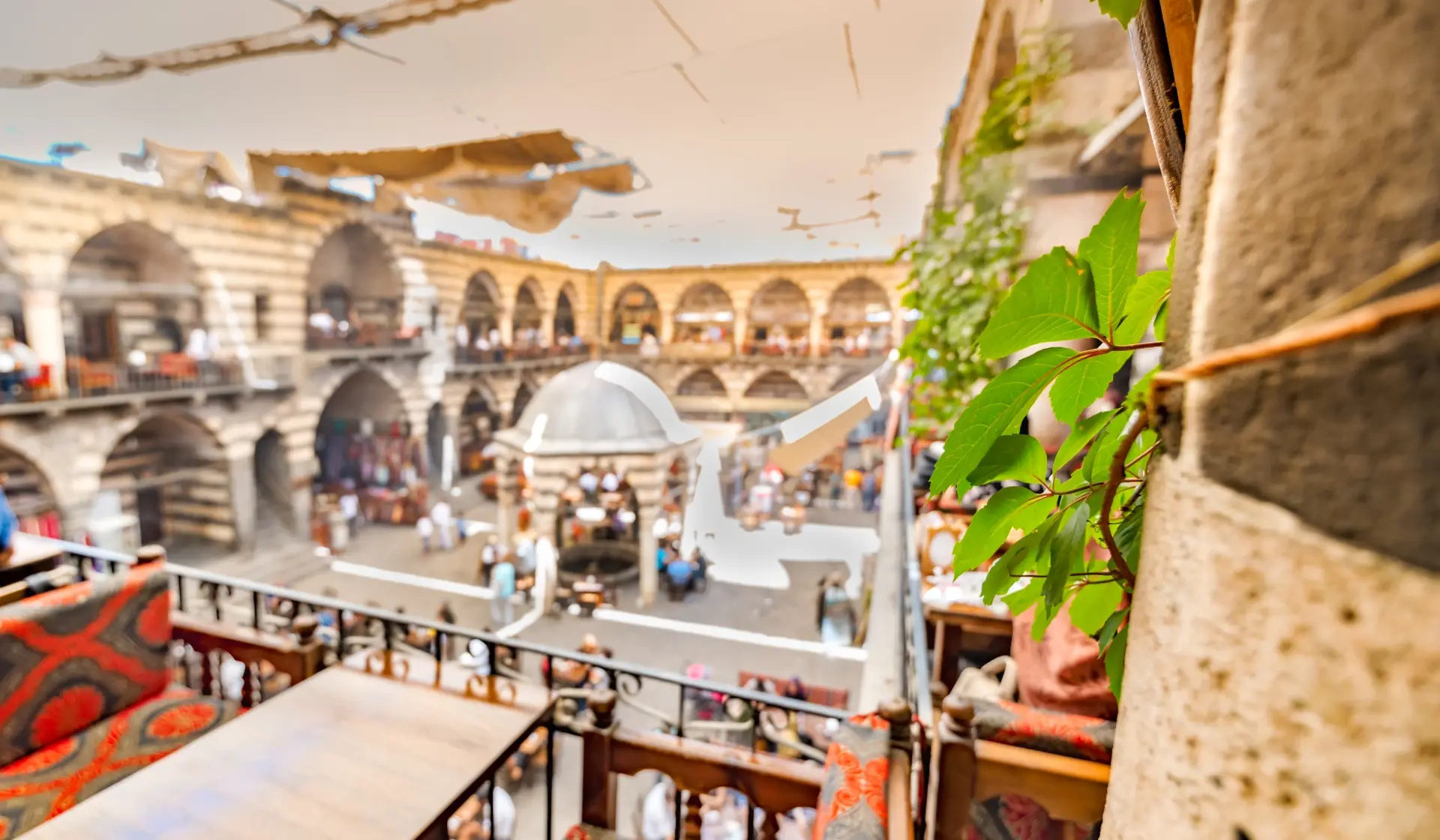
Walking Sur and the black basalt walls
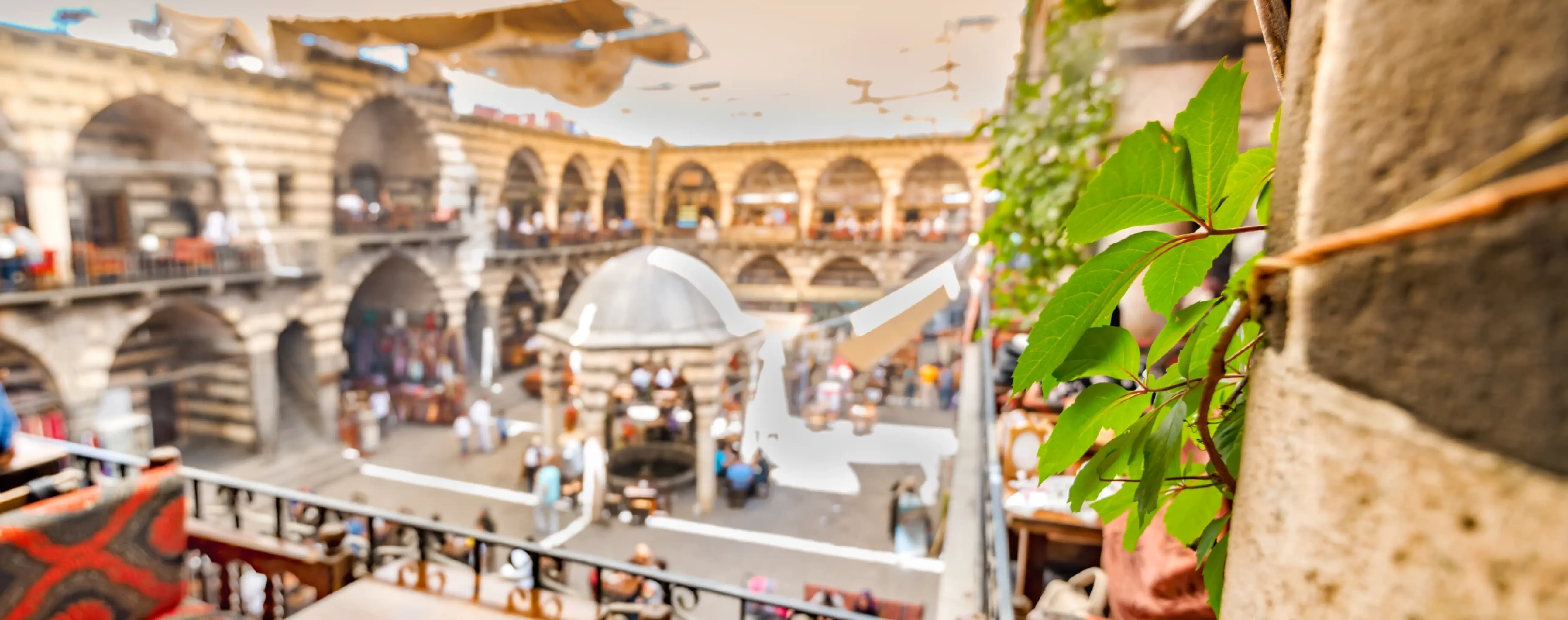
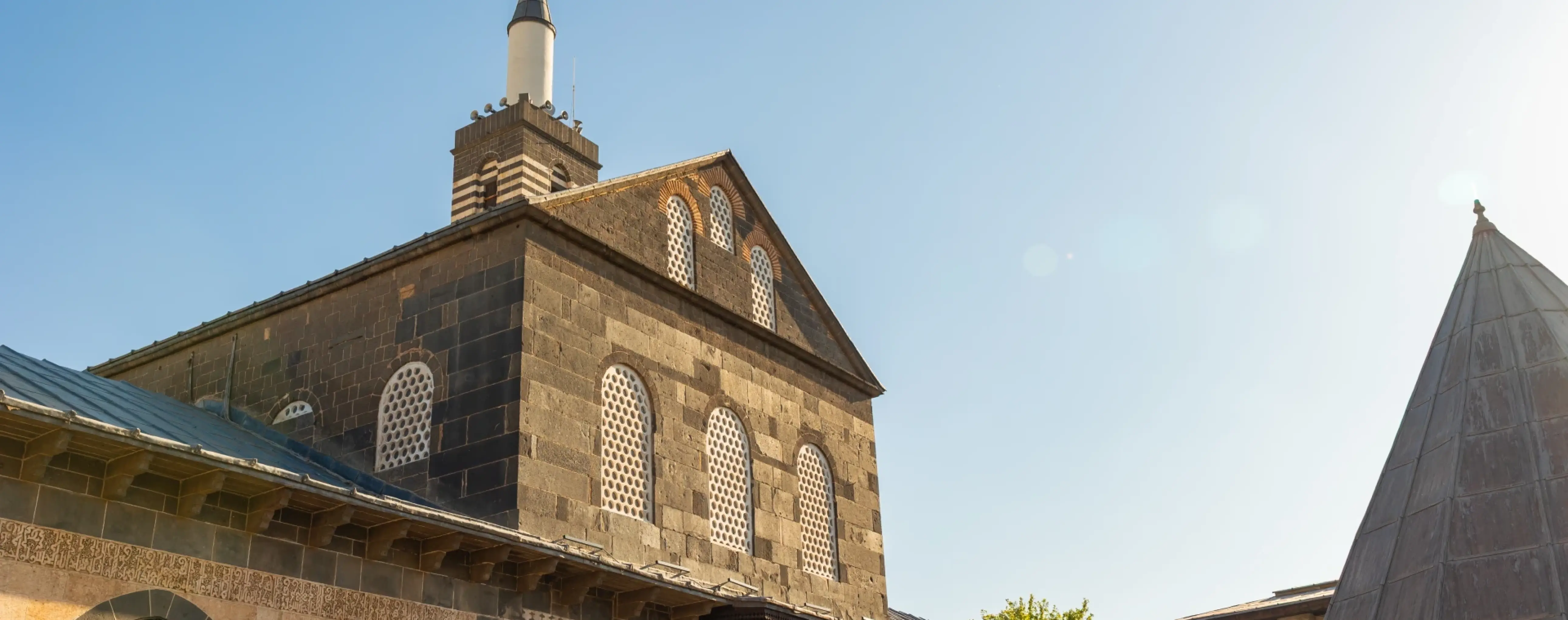
In the historic core, visitors move through dense streets, courtyards, dark basalt architecture, and the massive black basalt walls that give the city its defining visual character. Across Sur, many of the principal monuments stand within or near the old walls, including Ulu Cami, St. Giragos Armenian Church, and Hasan Pasa Hani, while Ic Kale marks the inner citadel area. The walls are one of the city's defining landmarks, the city has long been known by the historical name Amida, and this concentration of monuments forms some of the main attractions and places to visit in Diyarbakir.
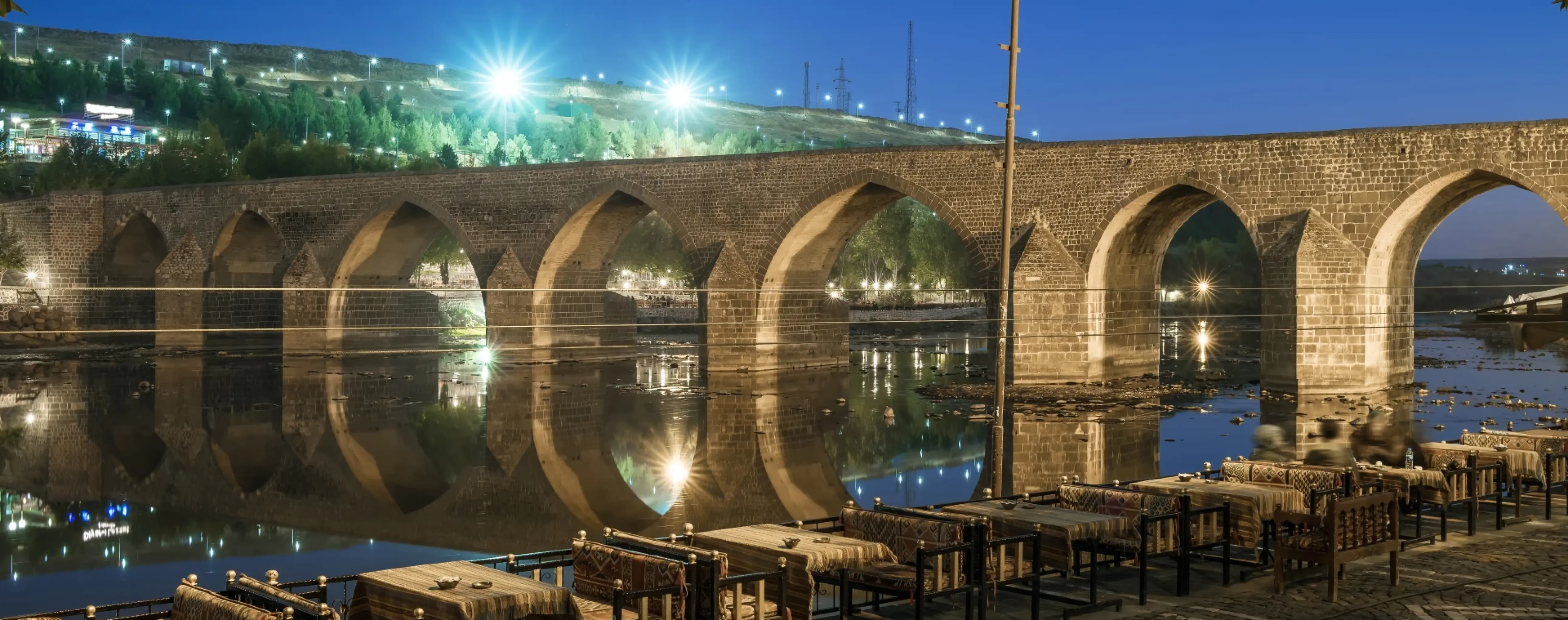
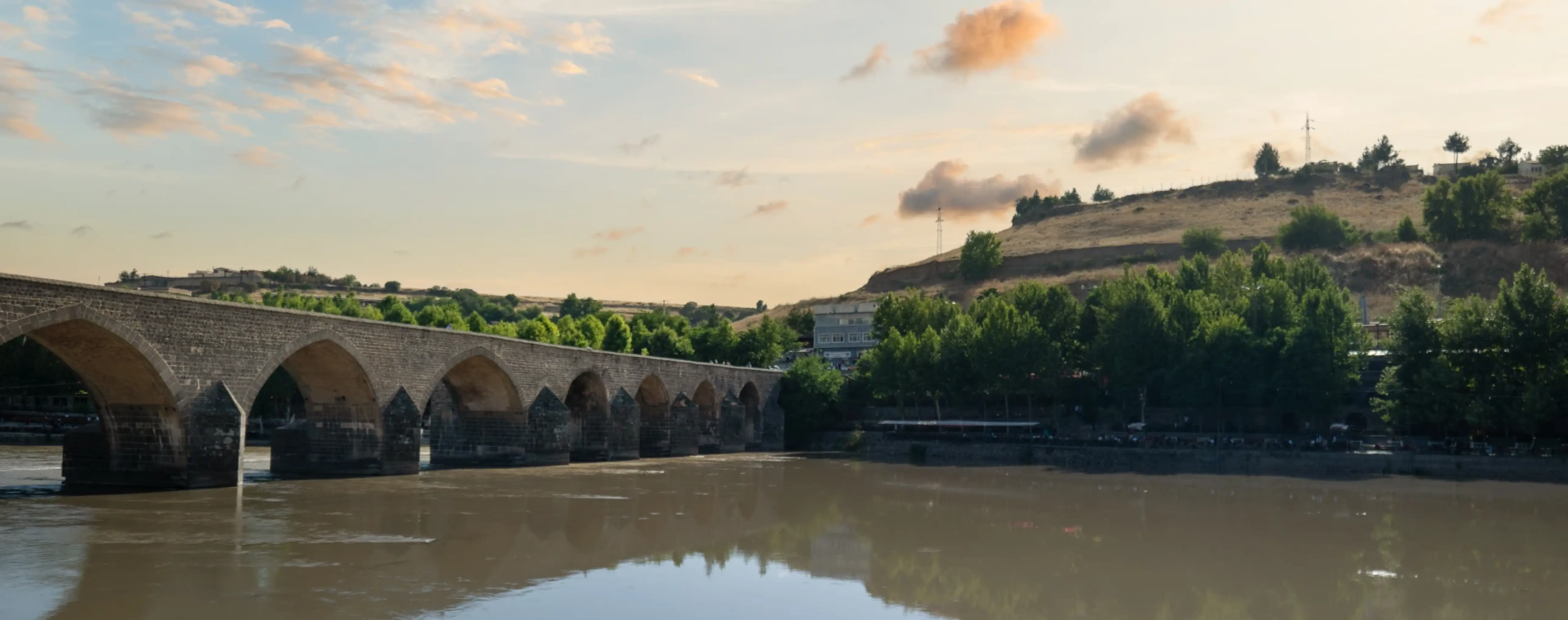
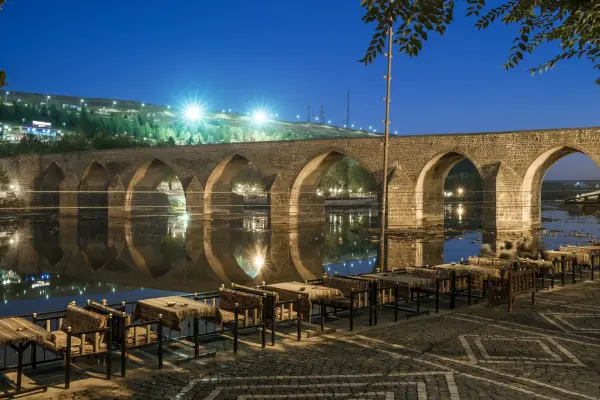
Ic Kale contains important heritage structures and museum spaces. Beyond the built-up core, Hevsel Gardens create a historic green belt between the city walls and the Tigris River, and the walls together with the adjacent gardens are recognized by UNESCO as a World Heritage Site. On the Tigris side, the city opens to riverside landscape and viewpoints, while On Gozlu Kopru is a well known historic bridge on the river and a common excursion point from the city.
Most visitors explore Sur on foot, take in the city walls and gates from outside viewpoints, visit Ulu Cami and Ic Kale, continue to viewpoints over Hevsel Gardens and the Tigris riverside, and make an excursion to On Gozlu Kopru. In the old city, Hasan Pasa Hani is used by visitors for dining and atmosphere. Regional food is an important part of what to do in Diyarbakir, with ciger kebabi and kaburga dolmasi among the dishes strongly associated with the city.
City Details
City overview – facts & data for travelers
Best tours and travel experiences across the continent

Diyarbakir photos
Guided tours, popular attractions, and top-rated hotels across the continent