Shah-i-Zinda Travel Guide
Shah-i-Zinda Complex, Samarkand
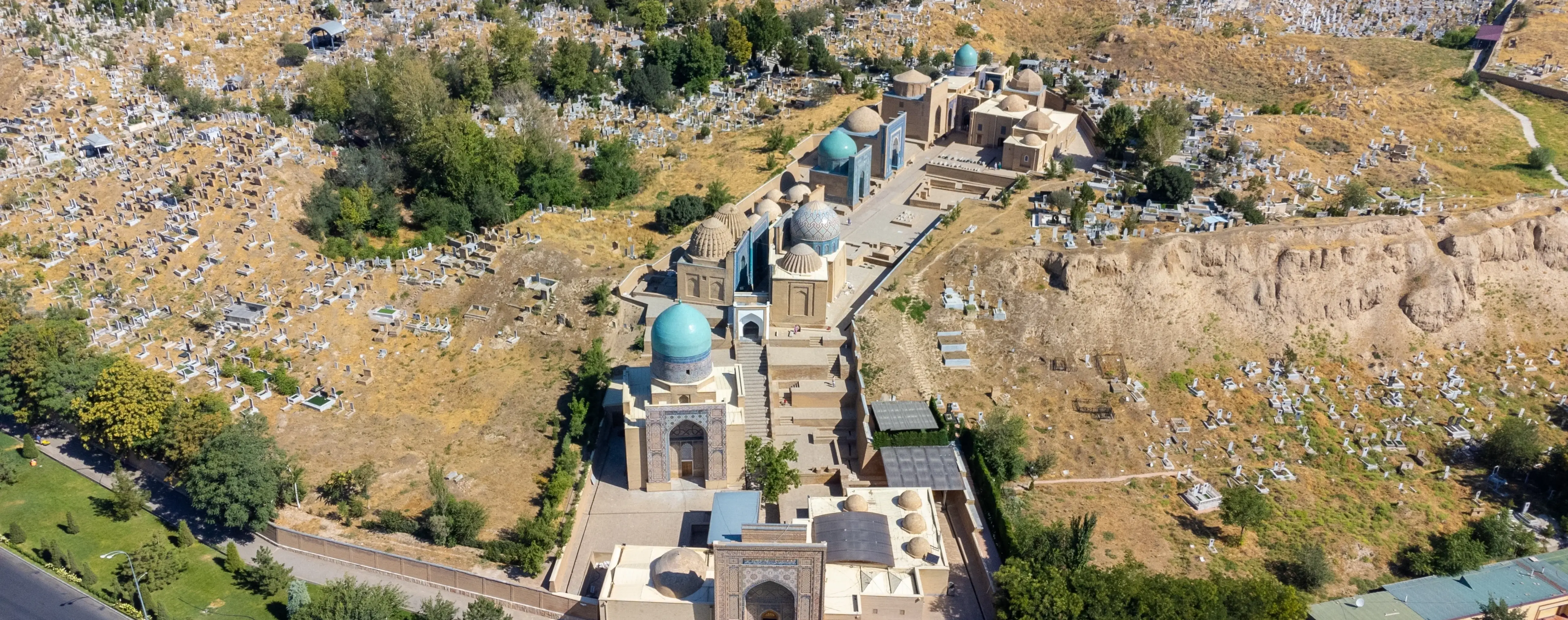
Shah-i-Zinda is a historic necropolis in Samarkand, on the northeastern side of the city center near the Afrasiyab archaeological area. It is part of Samarkand's main heritage zone and lies a short drive or moderate walk from Registan Square. The setting works well for culture-focused trips, with a compact monument area that is easy to reach from the urban center.
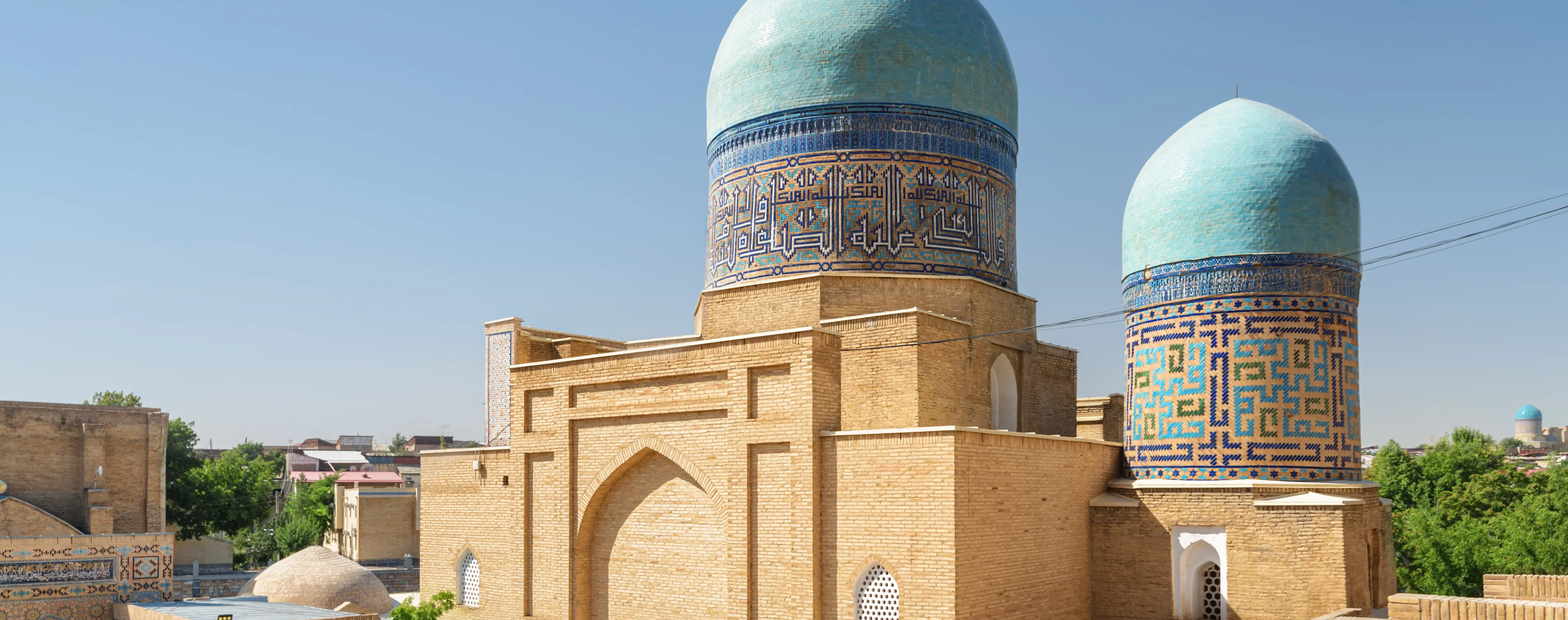
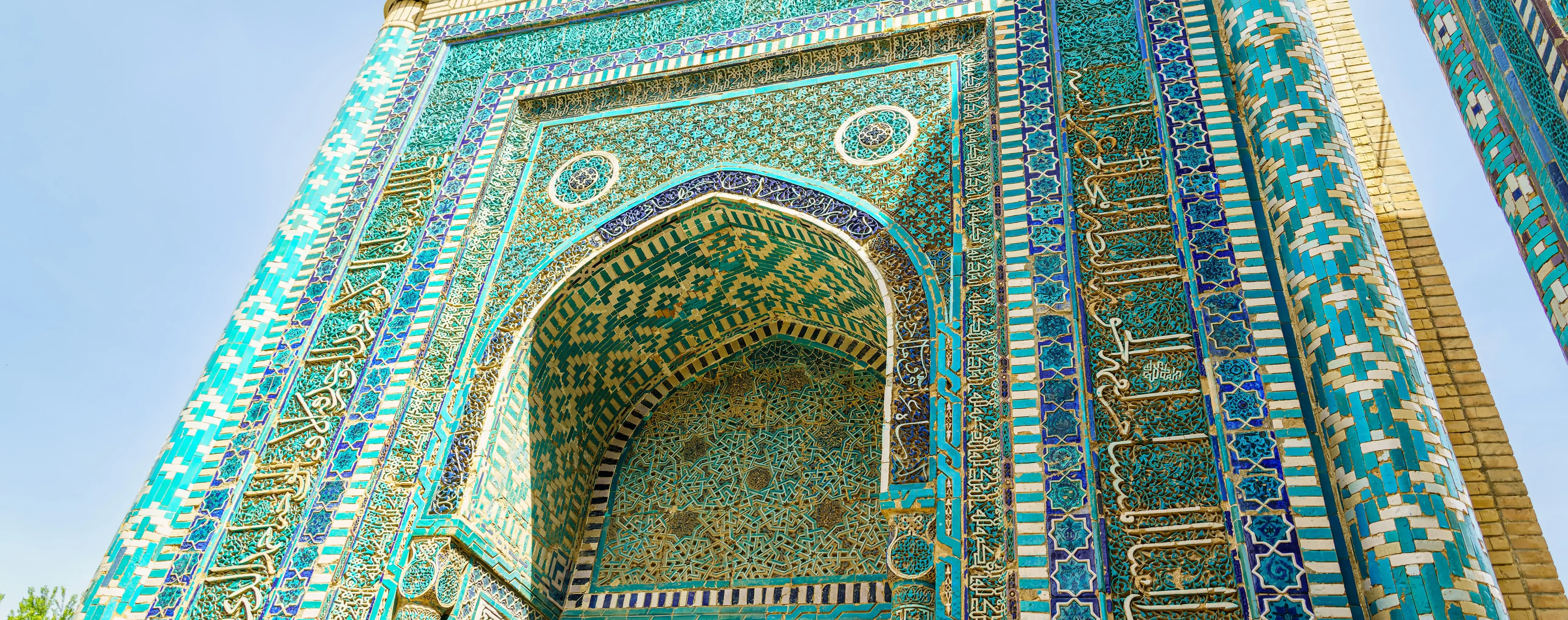
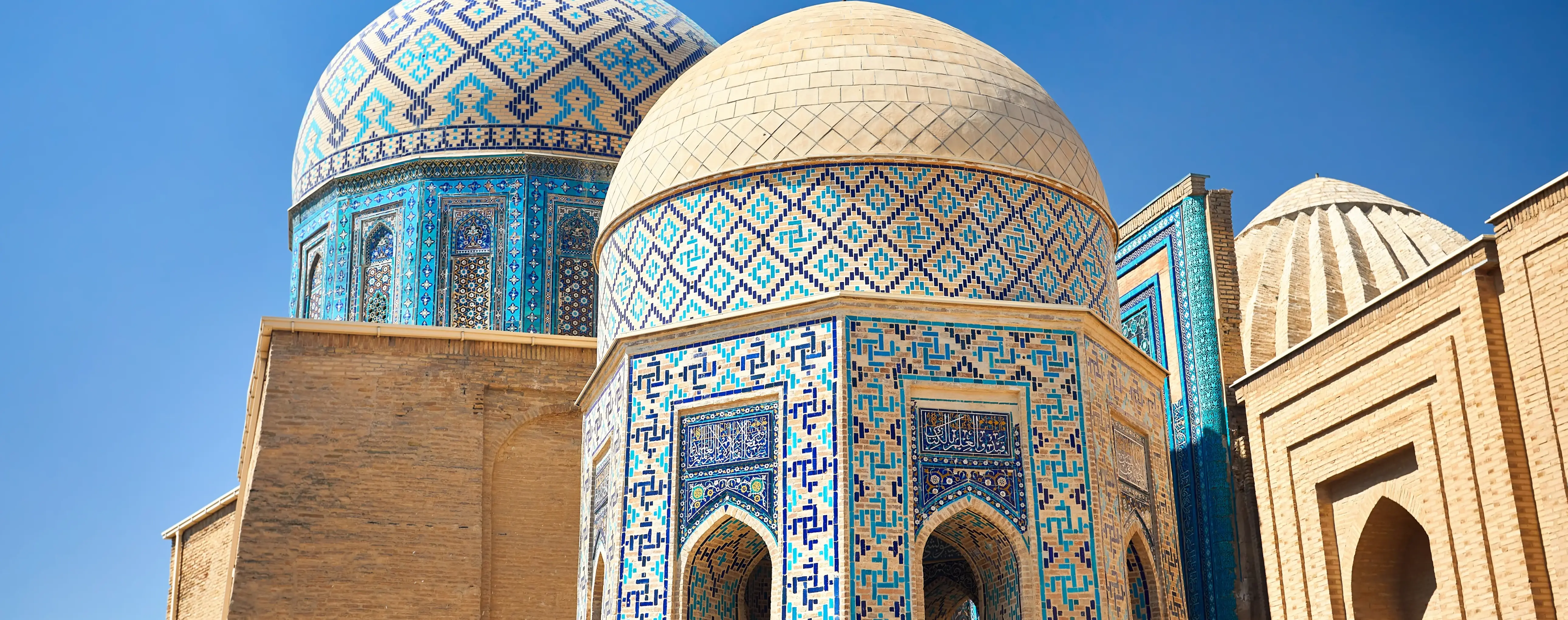
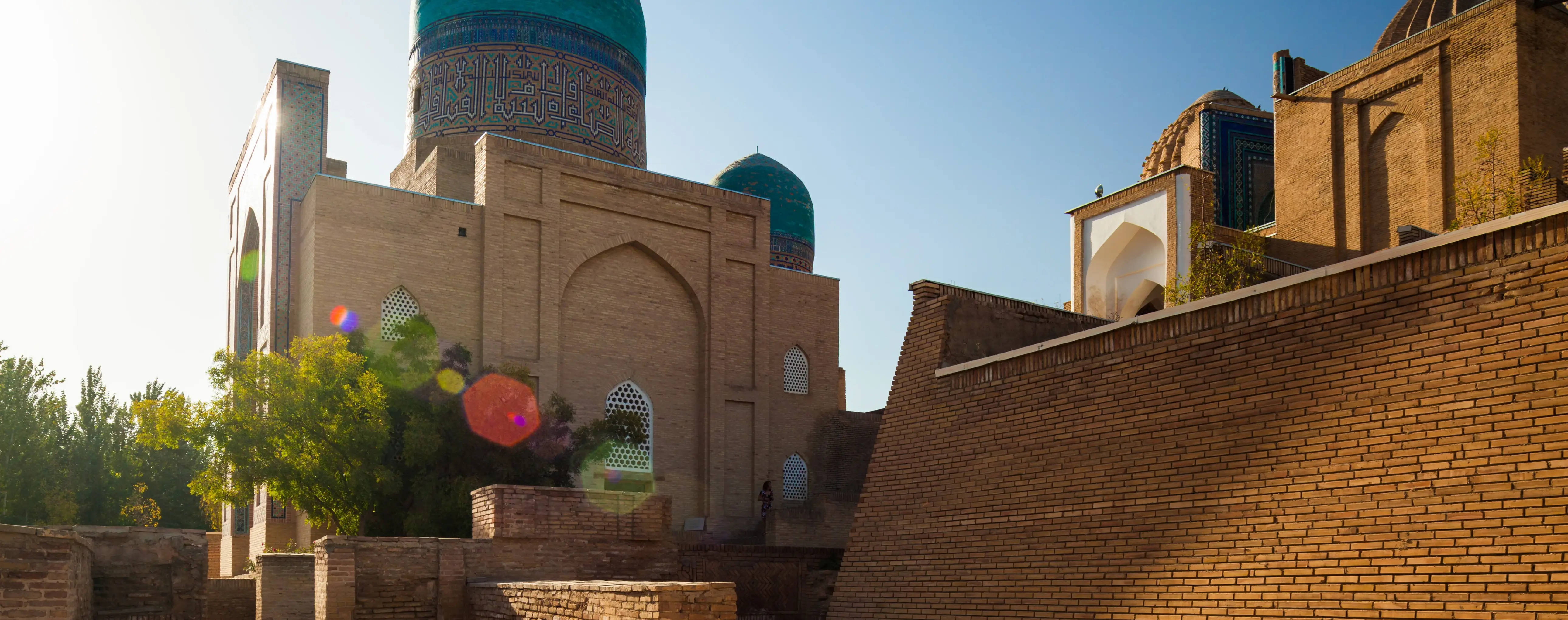
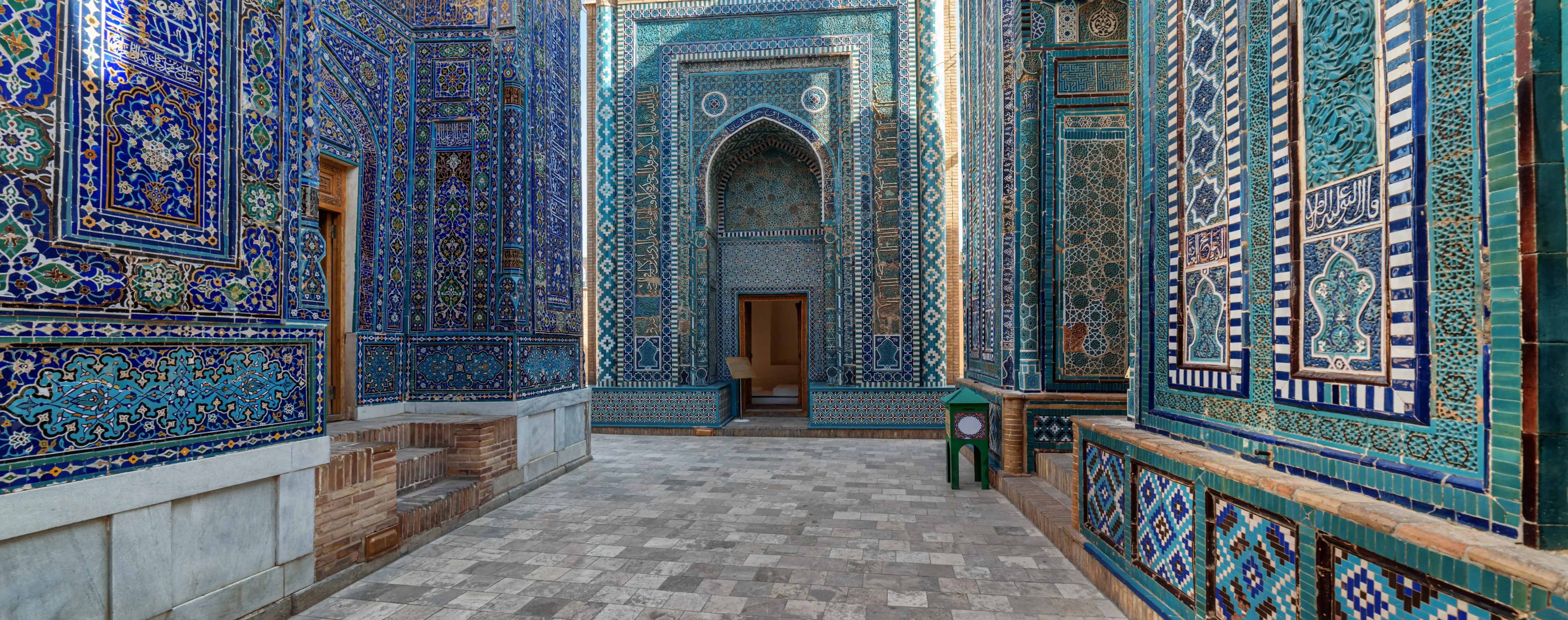
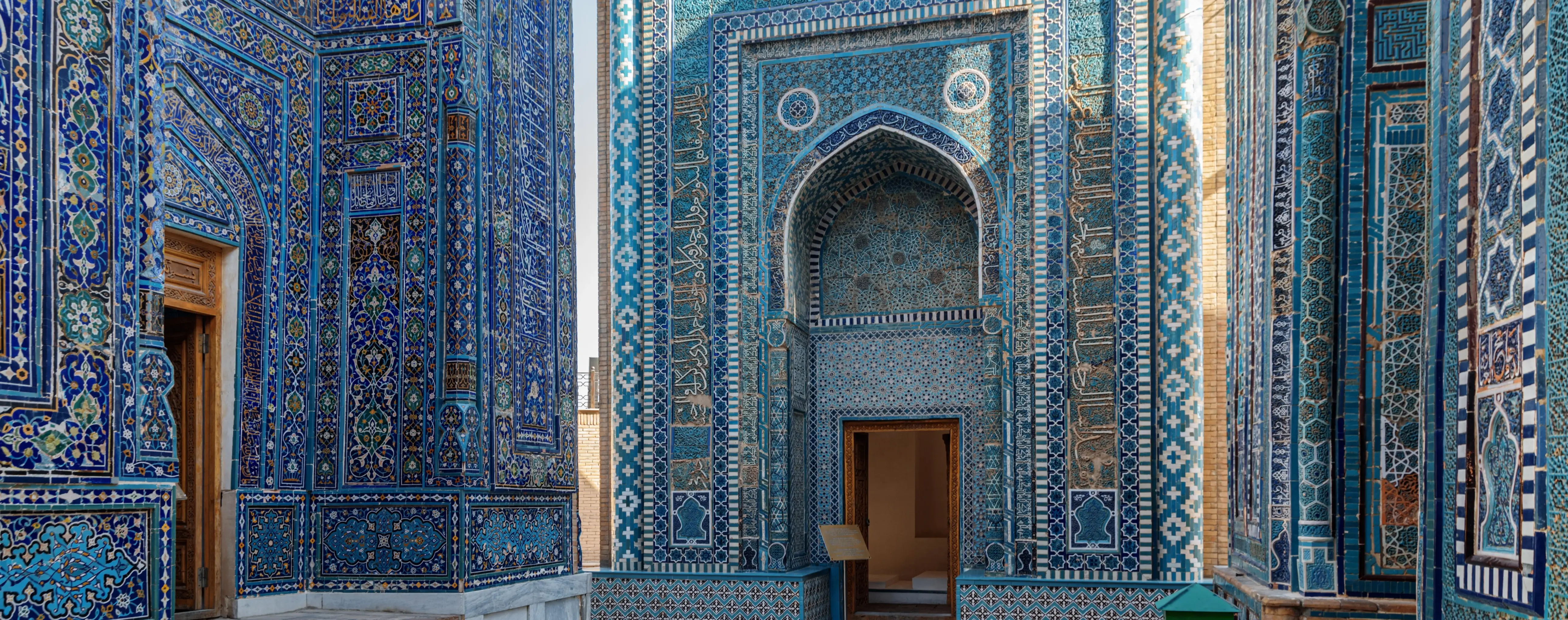
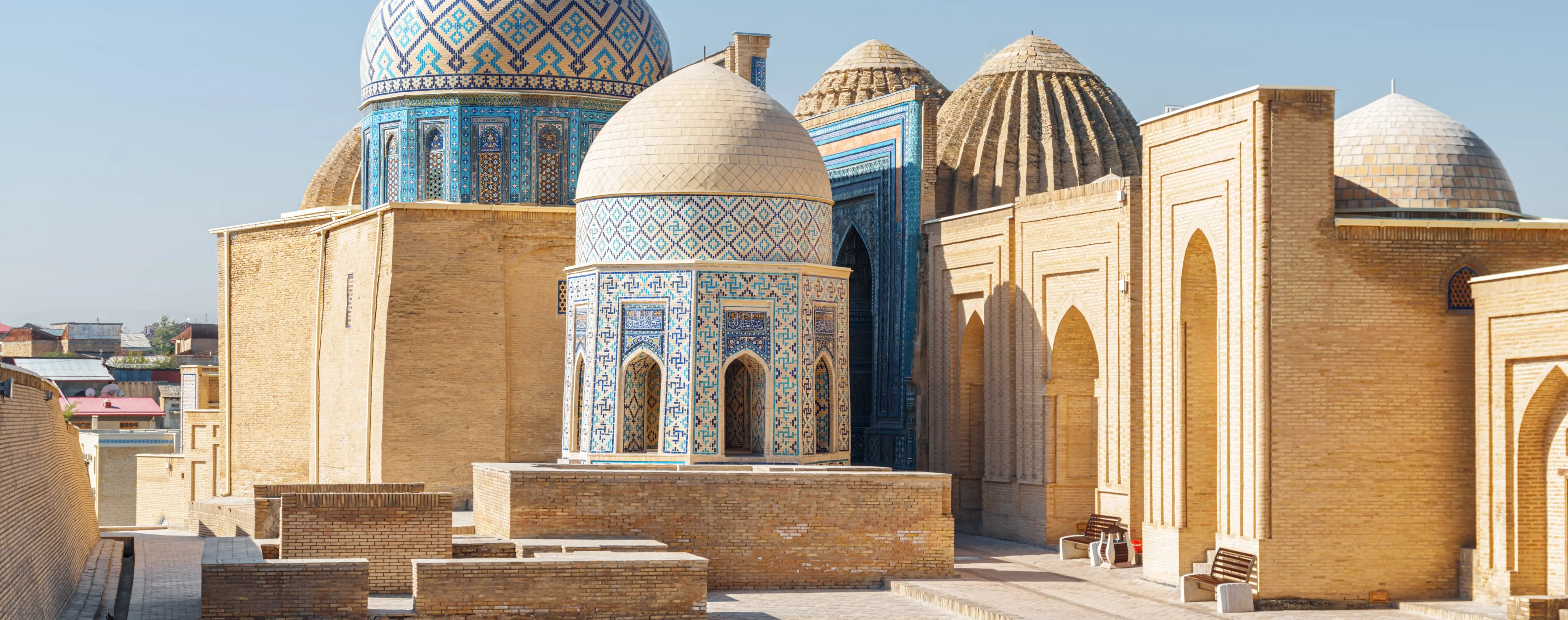
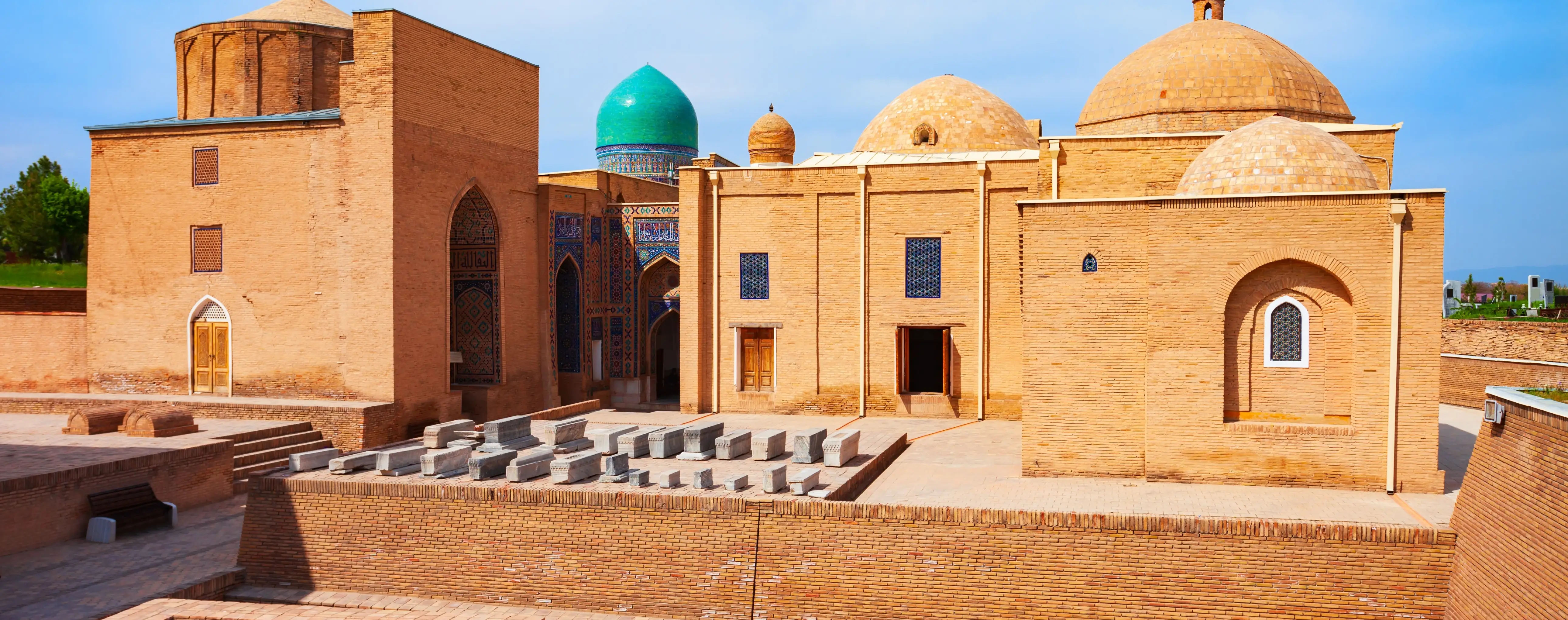
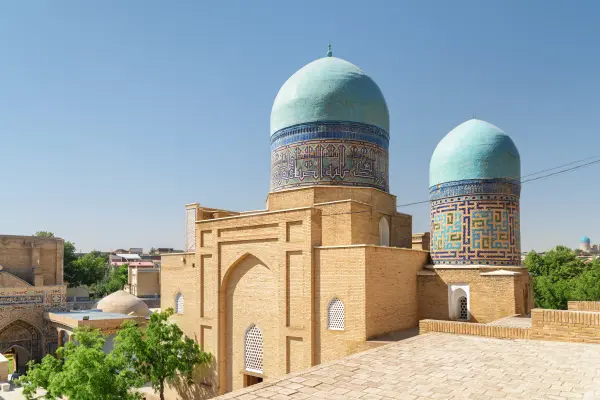
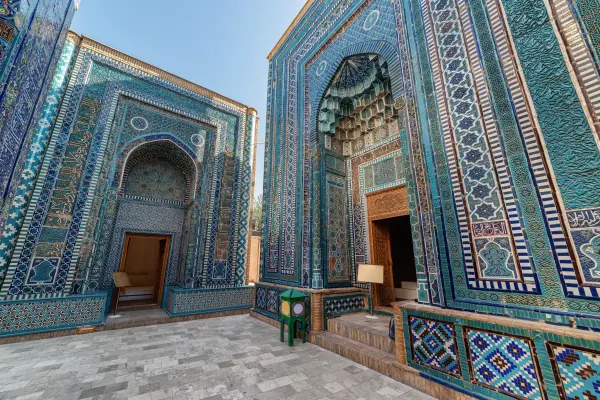
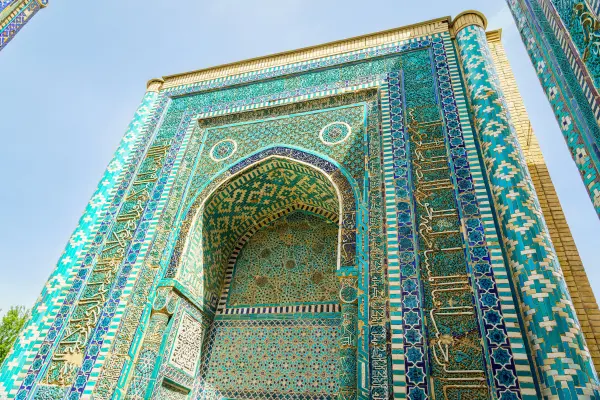
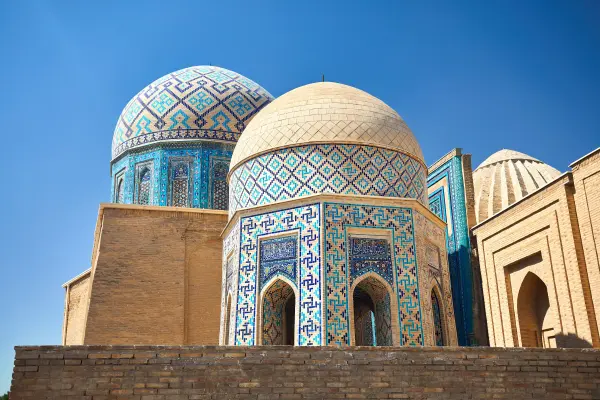
Shah-i-Zinda is best known for its narrow sequence of mausoleums decorated with blue, turquoise, and white tilework. Many of the surviving monuments date from the 14th and 15th centuries, particularly the Timurid period, and the site is associated in local tradition with Kusam ibn Abbas. Visitors come for the historic necropolis, the dense display of mosaic, majolica, carved terracotta, and epigraphic decoration, and the ceremonial character of one of Samarkand's most important architectural ensembles.
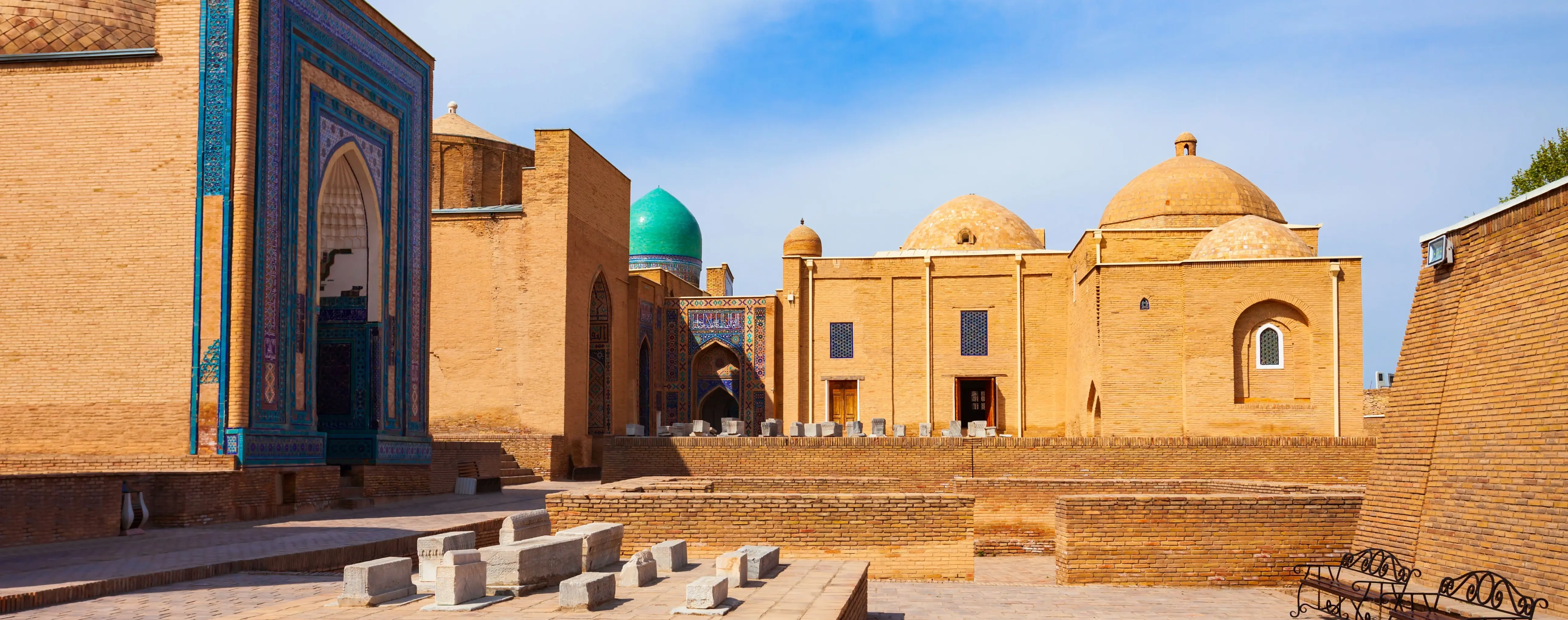
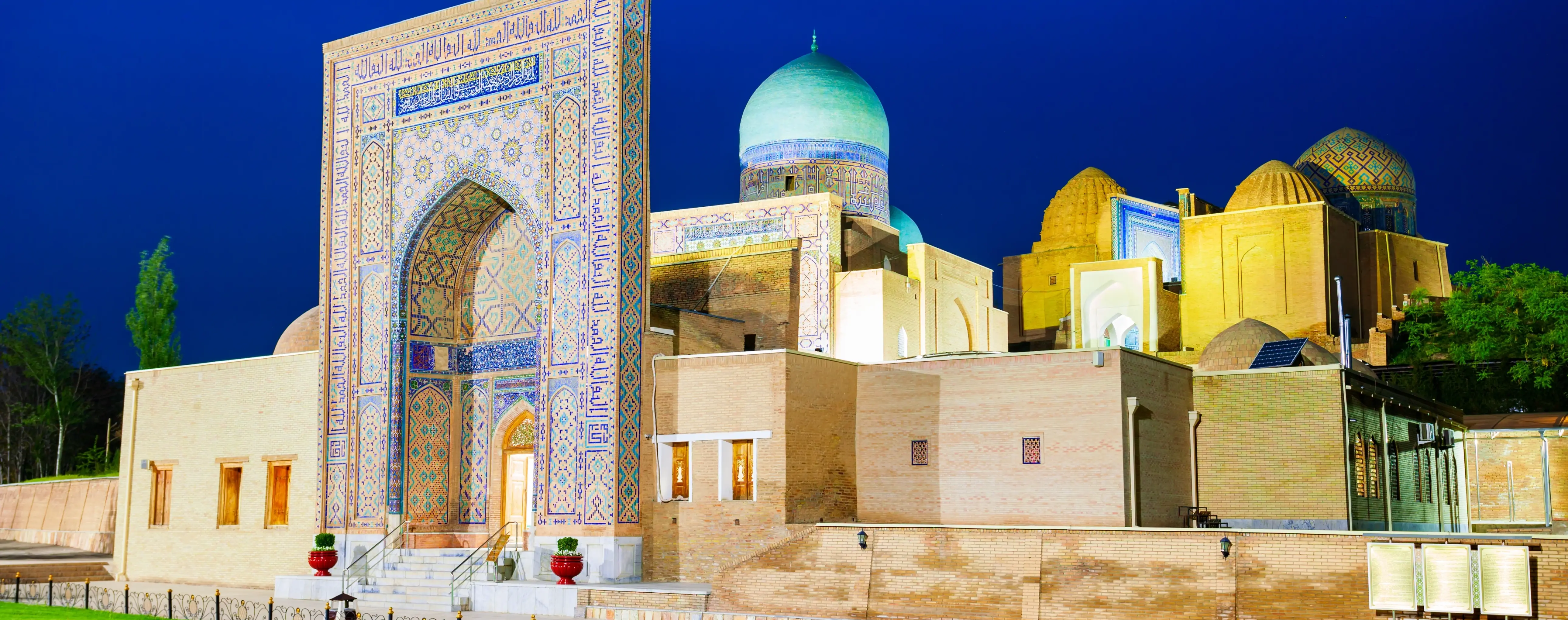
Most visitors reach Shah-i-Zinda by taxi, ride-hailing service, or city transport to nearby parts of Samarkand. Entry is usually through the monumental portal at the lower end of the complex, followed by a walk along the rising passage lined with tomb structures. Stone steps connect the lower and upper sections, and most people return by the same route.
Shah-i-Zinda Complex on the map
Shah-i-Zinda Complex: Attractions, interesting places for excursions
Shah-i-Zinda Mausoleum Ensemble, The Double-Domed Mausoleum of the Shah-i-Zinda Complex, Shodi-Mulk-Oko Mausoleum of the Shah-i-Zinda Complex, Shirin-Beka-Aka Mausoleum of the Shah-i-Zinda Complex
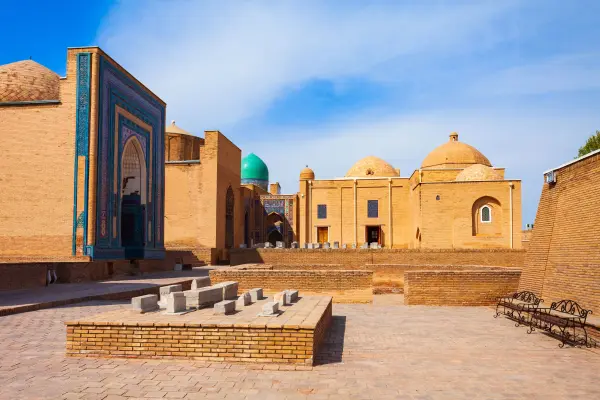
Shah-i-Zinda attractions and what to see
Blue-tiled mausoleums, stone steps, and a quiet ceremonial passage
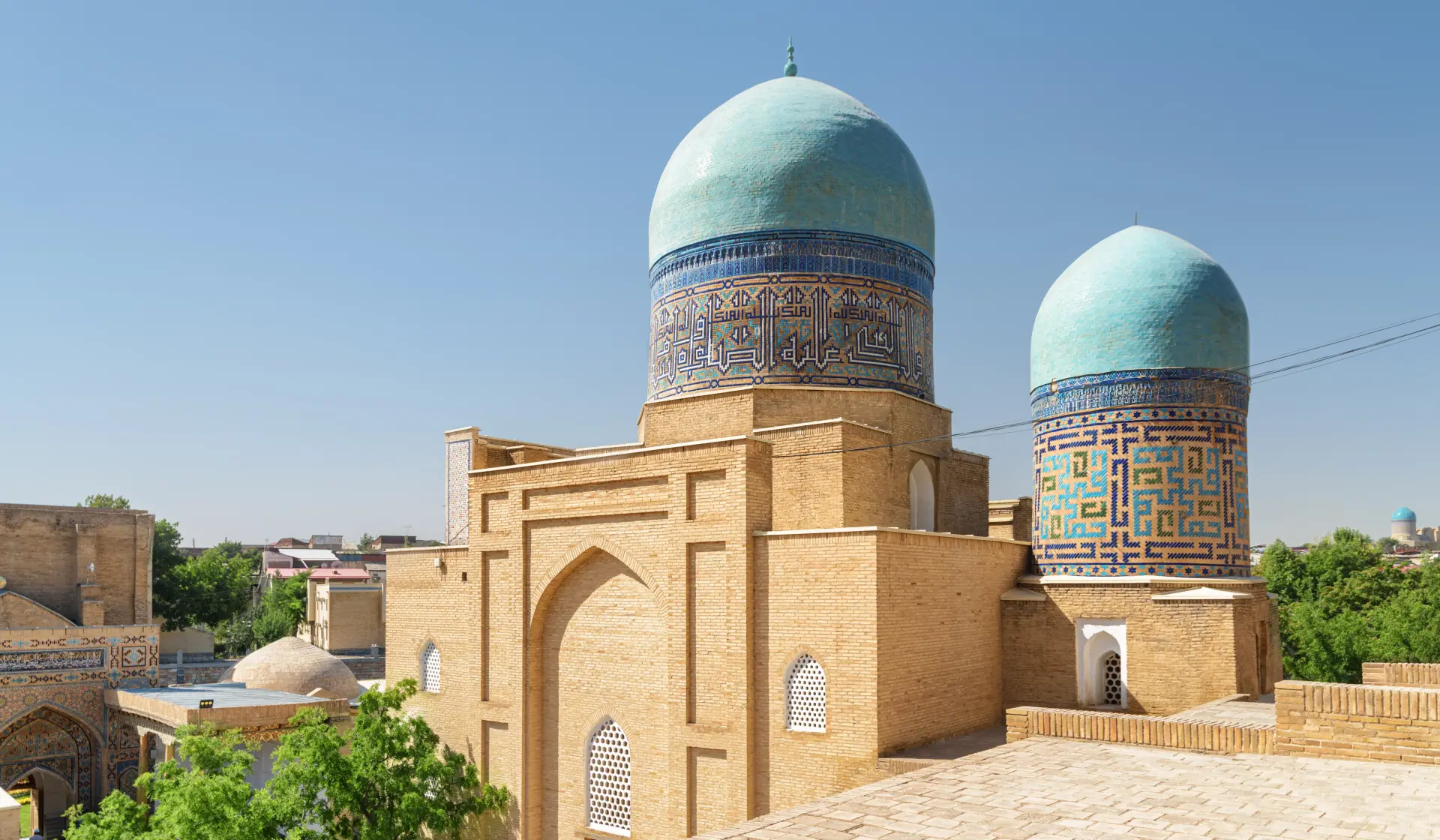
Main features of Shah-i-Zinda
The main sights at Shah-i-Zinda are the necropolis itself, the monumental entrance portal, and the sequence of mausoleums associated with Kusam ibn Abbas. The complex is often visited together with the nearby Afrasiyab Museum for archaeological context, as well as other major Samarkand attractions such as Registan, Bibi-Khanym Mosque, and Siyob Bazaar. Within the site, the most striking features are the tiled facades, domes, and the tightly framed architectural corridor.
The layout is linear and easy to follow. Visitors enter at the lower end and continue uphill through a narrow passage lined with mausoleums, with stone steps leading to the upper sections. The experience centers on close-up views of mosaic, majolica, carved terracotta, and inscriptions, and the atmosphere is more solemn and ceremonial than in Samarkand's market and commercial areas.
Beyond the main sightseeing, practical options around the complex are limited. Dining nearby is sparse, so most visitors eat elsewhere in central Samarkand. Souvenir shopping is modest and generally limited to small tourist items near the site, and there is no real evening or nightlife scene, as the area functions mainly as a daytime heritage attraction.
District overview – facts & data for travelers
Best tours and travel experiences across the continent



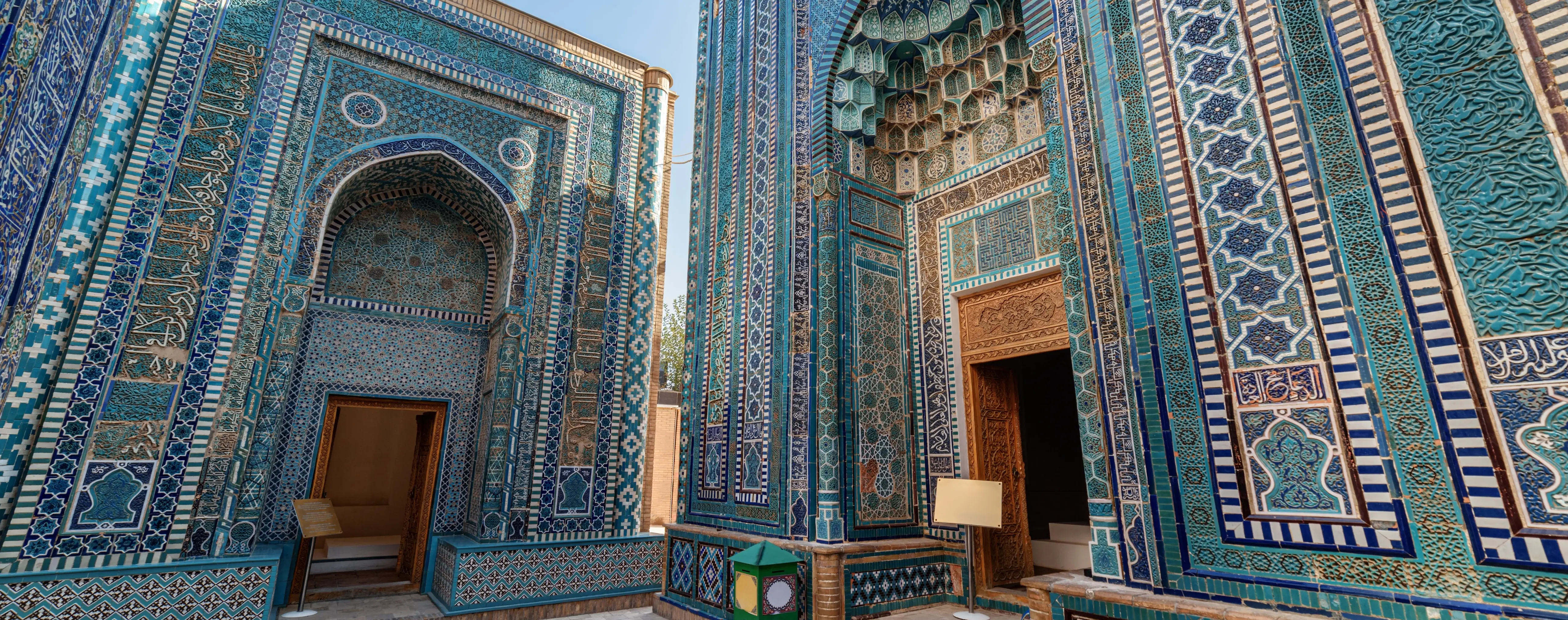
Shah-i-Zinda Complex photos
Guided tours, popular attractions, and top-rated hotels across the continent